Keeping Brand Consistency Across AI-Generated Ads
Speed is the promise of AI ad production. Brand coherence is the cost most teams pay for it. Here's the systematic approach to preserving visual identity and voice across AI-generated creative at scale.

The promise of AI ad creative is volume. A team that made eight ad variants a month can now make eighty. But the pitch leaves out one thing, and it matters for brand consistency AI ads. Eighty variants means eighty chances to drift from the brand. Each output makes its own small choices. It picks the color saturation, the type, the layout, and the tone. At scale, AI tools do not just make more ads. They make brand entropy.
This shows up often in brands that have already paid for AI creative. Each ad can look fine on its own. But line up twenty of them and a problem appears. You see twenty different visual personalities. None of them clearly belongs to the brand. That is a brand equity problem dressed up as a gain in efficiency.
The fix is not to slow AI down. It is to build brand rules into the system before the first asset is made. That is a structural choice, not a post-production review.
Why AI Creative Drifts From Brand
AI image tools learn from huge sets of images. They read your prompt and return the most likely visual match for your words. Say your brand has no clear, documented visual territory in the prompt. Then the AI falls back on an averaged, broadly pleasing look. That average may look nice. It is almost surely not your brand. AI copy tools have the same flaw. General prompts give general copy. It sounds like everyone's brand, which means it sounds like no one's.
The drift builds up over time. One AI piece might be only five percent off-brand. Run fifty with no brand rules and the drift adds up fast. It spreads across all your paid media. Customers then see a different brand in each placement. That weakens the recognition and trust that brand ads are meant to build.
Building Brand Constraints Into the Production System
The AI brand brief
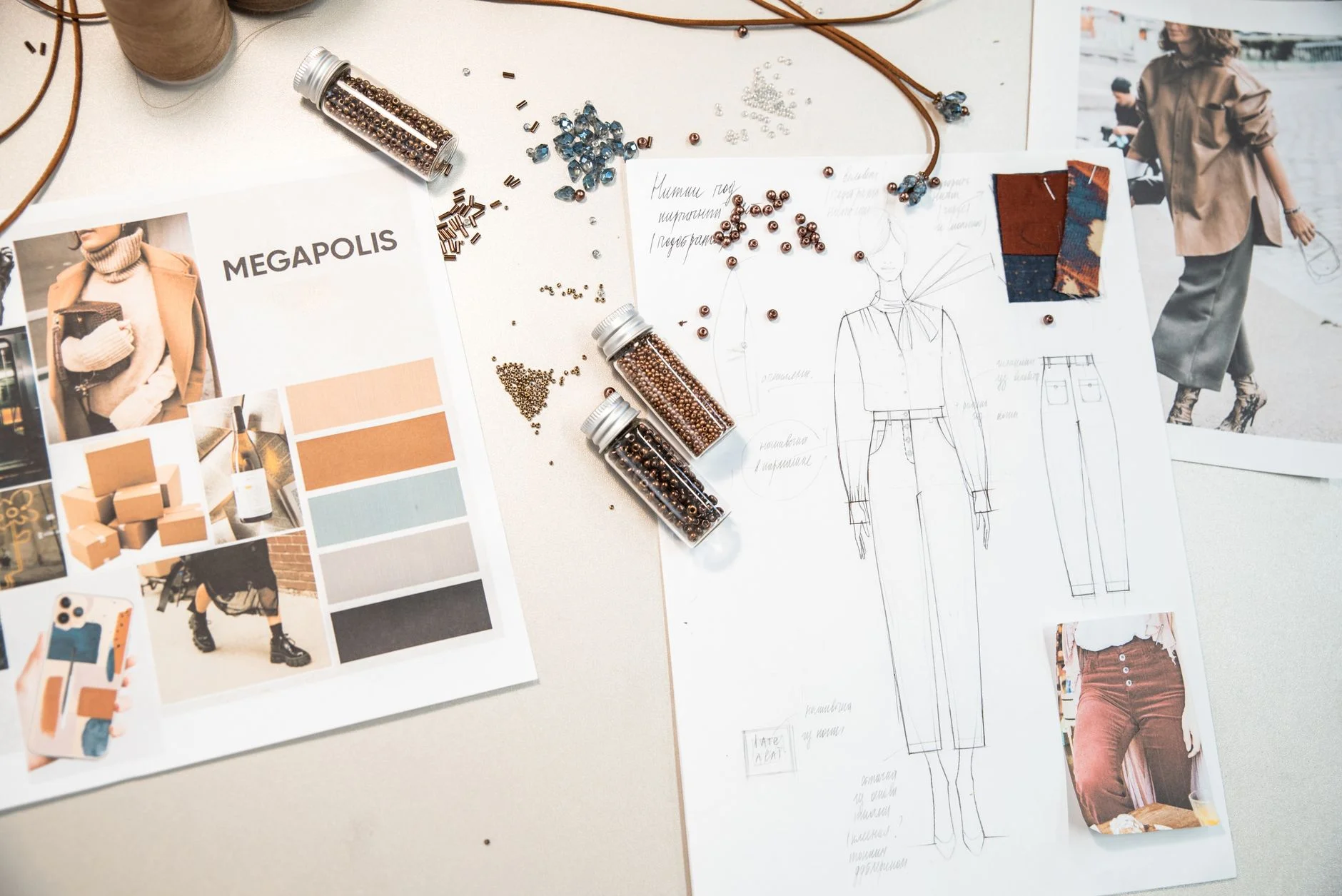
Every AI creative session should start with a set brand brief. It should state your brand parameters in the exact language AI tools respond to. For image tools, use precise words for your color palette. Do not just say "teal." Give the RGB or hex values, then describe them in words. Spell out your layout style too. Note if your brand leans toward centered hero subjects or edge-weighted layouts. Say whether backgrounds are clean or full of context. Describe your lighting, like airy and high-key, moody and high-contrast, or natural and warm. Add any visual signatures that define your brand.
Consistent style seeds and reference sets
Most AI image tools accept reference images or style seeds. These anchor the output toward a set visual territory. Feed in your best on-brand work as references for new runs. This cuts visual drift by a lot. Now the AI generates toward your real brand, not a statistical average. This is one of the most underused features in AI creative work. And it is built into most major tools.
Type and layout templates
AI imagery should drop into pre-built layout templates. These templates enforce your type system, color use, and visual hierarchy. The layout itself is not AI-made. It is human-designed and brand-compliant. It acts as a frame that the AI visual fills. This keeps the speed of AI images. It also keeps the brand-defining structure under human control.
The QA Gate That Actually Works
Brand consistency at scale needs a review gate. The gate must be fast, so it does not erase the speed AI gives you. Use a five-question brand checklist. Have it reviewed by someone who knows the brand well. This need not be a designer, just a person with strong brand sense. It takes about sixty seconds per asset. It catches most drift before the ad goes live. The five questions are simple. Does the color palette match our brand system? Does the type reflect our brand standards? Does the composition feel like our visual language? Does the copy sound like our brand voice? Would a customer who knows our brand see this as ours?
"Speed and consistency are not opposites in AI creative production - but consistency doesn't happen automatically. It requires a system that constrains AI to your brand territory before the first generation."
Brands that do this well show it in their paid media. Their work looks coherent across placements. They put in the upfront time to build the brand brief, the reference sets, and the layout templates. That work makes every AI piece feel like it came from the same creative mind. The upfront effort pays back more and more at scale. See also how scaling ad creative without more headcount covers the production system that should carry these brand rules.
The TTGC Approach to AI Creative Brand Governance
At Through The Glass Creatives, brand architecture shapes the AI creative process. Ravve's background in that field means brand governance is a core requirement, not an afterthought. For each client whose paid media TTGC produces, the team builds a brand brief made for AI tools. The brief encodes the client's visual identity, voice, and layout language. It uses the exact parameters that generation tools respond to most reliably.
The result is AI creative that holds brand equity instead of draining it. Volume without coherence is just noise. Volume with coherence is a brand-building media presence. It compounds in recognition and trust. That is the only kind of AI creative production worth doing.
Want AI ad creative that builds your brand rather than diluting it?
Book a free Brand and Growth Assessment and see exactly how Through The Glass Creatives would approach it.
Sources
- Lucidpress - "The State of Brand Consistency" (2023)
- McKinsey & Company - "The Value of Getting Personalization Right" (2023)
- Gartner - "Hype Cycle for Digital Marketing" (2024)
- Forrester Research - "Brand Governance in the Age of AI Creative" (2024)