You Have 50 Milliseconds to Make a First Impression. Here's What Your Brand Communicates in That Window.
Research shows brand credibility judgments form in 50 milliseconds. Before a single word is read. Your visual identity is making promises your business must then keep.


Wantto understand first impressions branding? Start with the science. In 2006, Gitte Lindgaard ran a study at Carleton University. She found that people judge a website in about 50 milliseconds. That is roughly 1/20th of a second. Other studies have shown the same result again and again. This matters a lot for brand design. Your marketing copy lists your services, prices, and credentials. But none of it counts if the look fails in those first 50 milliseconds. By then, the visitor has already ruled you out.
What Happens in 50 Milliseconds
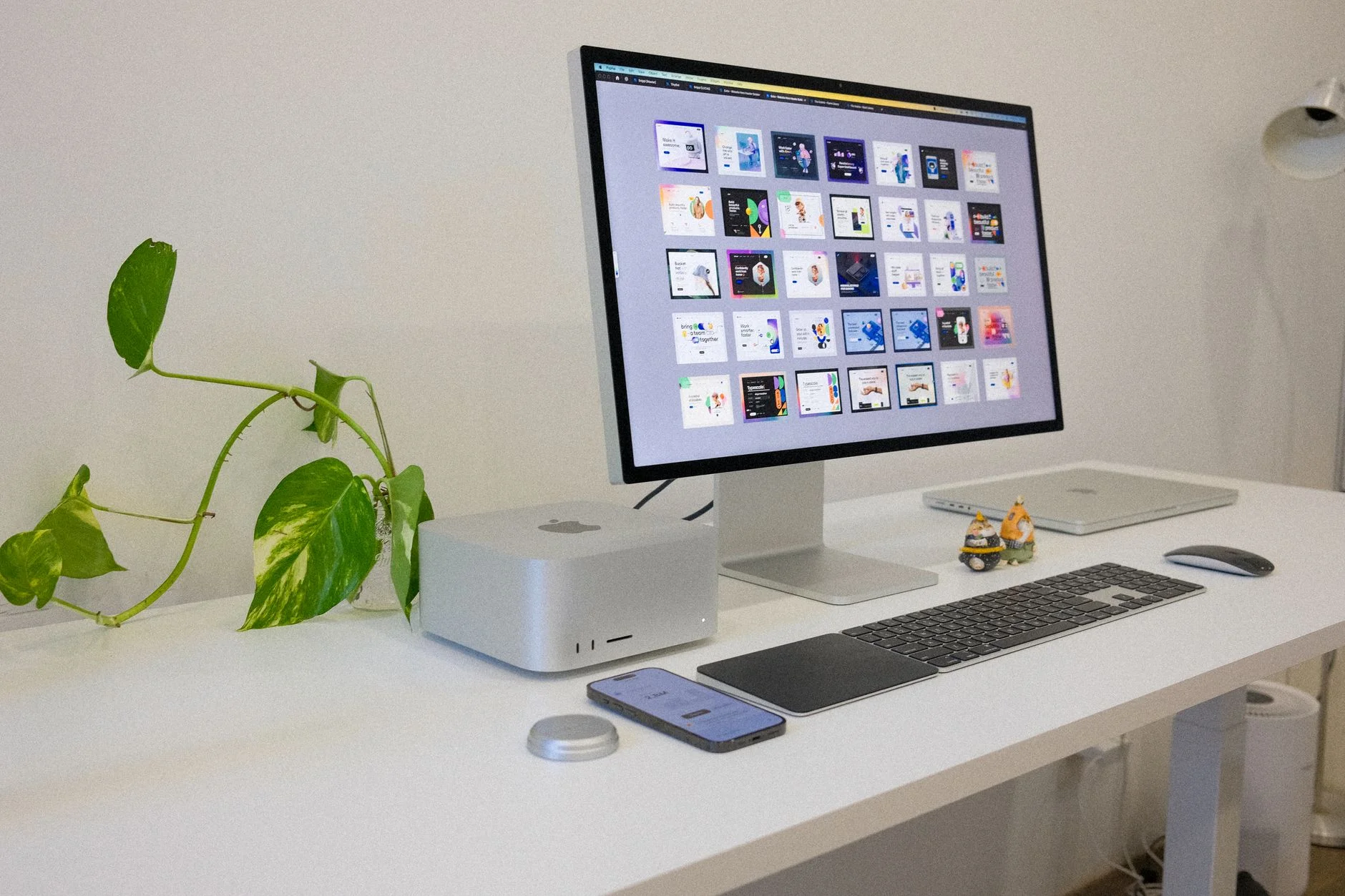
A lot happens in those first 50 milliseconds. Your eyes take in the colors. They notice if the colors clash or work well. They sense if the page feels busy or calm. They read the layout as neat or messy. They pick up on contrast and how easy it is to read. No words get read yet. No services get weighed. Your brain just asks one question. Is this worth more of my time? And it answers that question without you noticing.
What That First Impression Determines
Credibility Attribution
B.J. Fogg ran research at Stanford on trust. He found that 46% of visitors blame design when they distrust a website. Not the content. Not the price. Not the reviews. Just the design. A brand that looks dated or sloppy raises a red flag right away. Good content cannot fully erase that doubt. The visitor might keep reading. But now they read with their guard up.
Price Expectation Setting
The look of your brand sets a price in the visitor's mind. This happens before you say a number. A premium look makes people expect premium prices. It also makes those prices feel fair. A cheap, templated look makes people expect cheap prices. Then any higher number gives them sticker shock.
Competitive Differentiation
Often a buyer is weighing more than one option. They might compare your website to three rivals. Now the first impression is a filter, not just a first step. You are not judged on your own. You are judged side by side with every option they view at once.
Your brand is not what you say about your business. It is what the eye decides in 50 milliseconds, before you have said a word.
Designing for the First 50 Milliseconds
Aim for a clean, unified look - the same colors, fonts, and spacing throughout
Cut the clutter on busy landing pages - at a glance, clear beats clever
Use contrast on purpose to point the eye at what matters most
Make your hero image show the dream, not the service - who the customer becomes, not what you do
Book a Growth Assessment to see how your brand's first impression performs
Book a free Brand and Tech Assessment to see how our production engine can power your growth.
Build It With Through The Glass Creatives
Reading about it is one thing. Having the right team do it is another. Through The Glass Creatives brings three things together. It blends brand strategy, growth marketing, and AI and development work. Most providers cannot offer all three at once. That mix is what makes TTGC a strong partner to build this for you. Get a free assessment and let us talk about your project.