SEO for Restaurants: A Clear Local Guest Guide
Keep local facts, menus, dietary limits, images, reviews, booking and order paths, access details, and service capacity accurate for each guest task.

Good restaurant SEO helps a guest check the place. It shows current hours, the menu, dietary facts, and access. It also shows table or order options and the next step. A map result does not win a table. Search rank cannot promise a visit, booking, order, review, sale, or return.
Start with the real restaurant. Check the name, address, phone, and service modes. Check hours, kitchen times, the menu, prices, and fees. Check booking and order links, access facts, and open dates. Give each fact an owner and a review date, and keep that record current.
Build From Real Guest Tasks
Discovery: show the food style, the setting, and the location. Show the hours, the price basis, and who the place can serve well.
Menu check: show the dishes you serve now. Show prices. Show portions where useful. Show dietary facts. Show any sold-out or seasonal limits too.
Visit check: explain access, seating, and dress or age rules. Cover parking or transit, events, and group terms when they apply.
Next step: give a working call, booking, pickup, delivery, or order route. Make the terms clear.
Do not assume that every guest chooses within minutes, or that guests all use the same path. Use real search data, calls, bookings, and order questions. Use staff notes and approved guest research too. Keep each page useful even when it never ranks.
Keep Menus and Dietary Claims Current
Use one approved menu record. It should cover dish names, descriptions, prices, and tax or fee notes. It should also cover options, service times, and stock limits. Show when a menu differs by branch, meal, day, order channel, event, or season. Remove old PDFs and links, or mark them clearly.
Some claims need a check by the right food-safety owner. That covers claims about diet, ingredients, allergens, and how a dish is made. It also covers nutrition, religious, health, and cross-contact claims. Do not infer that a dish is safe for one person. Give guests a direct way to ask before they order.
Keep the Business Profile Exact
Use the real-world name. Use the fewest true categories. Keep the eligible address, pin, phone, site, and menu current. Keep the booking and order links current too. Do the same for hours and holiday times. Do the same for service modes and attributes. Follow Google rules for delivery-only and virtual food brands.
Google lets eligible food and drink businesses add menu sections. They can add dish names, details, and prices. Review any menu made from a photo or PDF before it goes live. Choose the right menu source when more than one appears. Profile work may help a guest, but it does not control rank or demand.
Use Location Pages and Structured Data Carefully
Give each real branch one clear page of its own. Show its address, hours, and menu or menu link. Show access facts, service modes, and a booking or order route. Name a contact owner for the page. Do not make a page for a district with no useful branch or local fact.
Restaurant structured data should match the visible page. It should also match the current Google rules. Use the most specific true type, and valid fields. Markup can make a page eligible for a search feature. It cannot guarantee display, rank, bookings, or orders.
Use Food and Venue Images With Rights
Use current photos that the restaurant owns or may publish. Record who made each image and where it may appear. Do not show a stock dish as a menu item. Do not show a staged crowd as a real service. Get consent before a guest or staff member is identifiable.
Use clear file names. Write useful alt text for images that add meaning. Alt text should describe the visible subject. It should not repeat a keyword list. Keep menus and key facts available as text, not only inside an image.
Handle Reviews and Replies Fairly
Ask real guests for honest reviews. Do not buy praise or hide fair criticism. Do not reward only good feedback, and do not tell a guest which words to use. Disclose a material reward or tie when the law calls for it.
Keep public replies calm and private. Do not reveal a booking name, meal, payment, or complaint. Do not reveal a health need, delivery address, or staff issue. Move a detailed dispute to a safe support route.
Make Booking and Ordering Paths Clear
Test every link on a phone. That means calls, maps, menus, and bookings. It also means pickup, delivery, and orders. Say which company runs a third-party route. Show the key fees, minimums, areas, and times. Show change rules, refund terms, and support contacts where they apply.
Ask only for data needed to serve the request. Keep payment, health, dietary, child, event, and address details private. They do not belong in page URLs, ad lists, public chat, or tools that are not approved. A request is not a confirmed table or order.
Measure Useful Actions Without Claiming a Win
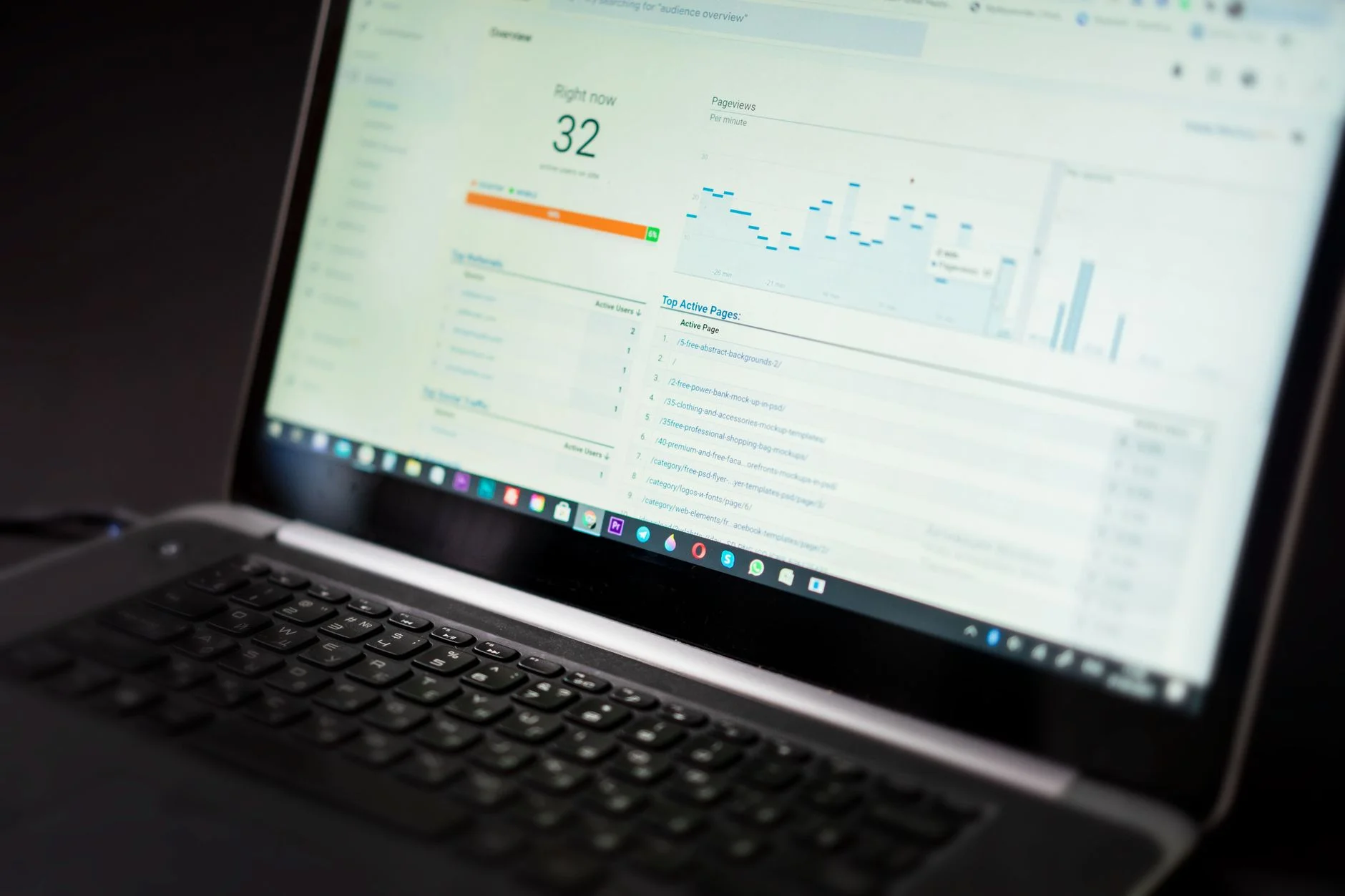
Track correct profile facts, valid pages, and menu views. Track calls, direction requests, bookings, and orders. Track cancelled or failed paths, complaints, fixes, and cost. Define each count. Define its source, time span, exclusions, and owner.
Compare like periods. Note branch hours, menu changes, stock, weather, and events. Note ads, platforms, price, and seat or kitchen capacity. A view, click, call, booking, or order report cannot prove a win by itself. It cannot show that SEO caused a visit, sale, repeat guest, or return.
For profile basics, use the local SEO guide.
For the venue and booking path, read the restaurant web-design guide.
For identity and in-store consistency, see the restaurant branding guide.
A Fast Release Check
Are the branch, hours, menu, and prices current? Are the dietary limits, access facts, and links current too? Are the image rights and guest consent on file? Do calls, bookings, and orders work? Are the fees and support clear? If not, hold the page.
The Practical Rule
Build restaurant SEO on true local facts and a current menu. Add careful food claims. Add rights-cleared images and honest reviews. Add paths a guest can use, and real service capacity. Help a guest choose and act. Do not promise rank, visits, tables, orders, sales, or return.
This is broad marketing help. It is not food-safety, allergen, nutrition, or health advice. It is not access, tax, contract, or legal advice. We checked the cited Google, FTC, and W3C pages on 16 July 2026. Rules and restaurant facts can change. Use current local rules and skilled advice.
Need a clearer restaurant search journey?
TTGC can check local facts, menus, links, images, reviews, booking and order paths, access, measurement, and service capacity. Food, health, access, tax, contract, and legal choices stay with skilled owners. Rankings, visits, bookings, orders, sales, and return are not promised.
Sources
- Google Search Central: People-first content. It covers useful work, trust, writers, sources, skill, and search raters. Checked 16 July 2026. https://developers.google.com/search/docs/fundamentals/creating-helpful-content
- Google Business Profile rules. Use a real name and valid site or service area. Keep hours, categories, owners, and key facts true. Checked 16 July 2026. https://support.google.com/business/answer/3038177?hl=en
- Federal Trade Commission: Endorsements, Influencers, and Reviews. Reviews must be honest. Key ties must be clear. A business must not hide fair criticism or fake feedback. Checked 16 July 2026. https://www.ftc.gov/business-guidance/advertising-marketing/endorsements-influencers-reviews
- Google Business Profile: Get started with a Business Profile for your restaurant. It covers restaurant details, menus, order links, photos, reviews, and profile measures. Checked 16 July 2026. https://support.google.com/business/answer/14189260?hl=en-GB
- Google Business Profile: About the menu editor. It covers menu sections, dish names, descriptions, prices, source choice, and review before publishing. Checked 16 July 2026. https://support.google.com/business/answer/9455840?hl=en
- Google Search Central: LocalBusiness structured data. Use the most specific true type, such as Restaurant, and follow current field and feature rules. Checked 16 July 2026. https://developers.google.com/search/docs/appearance/structured-data/local-business
- W3C: Web Content Accessibility Guidelines (WCAG) 2.2. Checked 16 July 2026. https://www.w3.org/TR/WCAG22/
Want hands-on help with this? Explore our SEO service.