The ROI of Shopify SEO
How do you measure whether Shopify SEO is actually paying back its cost? A framework for tracking, evaluating, and projecting the return on your organic search investment.


Shopify SEO is a rare kind of marketing spend. The cost per customer drops over time. Paid ads cost the same or more each year. More competitors push the price up. SEO works differently. You pay a fixed amount each month. That money builds a lasting asset. It includes domain authority, ranked pages, and growing organic traffic. The asset keeps paying you back. You do not spend more to keep it. There is one catch. The ROI of Shopify SEO is hard to prove early. At month three, rankings may move but sales may not. That gap is real, and it is tough to explain.
SEO ROI is a delayed metric. The work you do today pays off later. Traffic and revenue often arrive in 4 to 9 months. So the value is easy to miss at first. It is also easy to underrate over the long run. You need to measure it the right way. You also need a realistic timeline. Some merchants stick with SEO and win. Others quit right before it starts to work. The difference comes down to knowing what to expect.
What is the ROI of Shopify SEO?
Most Shopify stores see a positive return in 12 to 18 months. After that, organic traffic costs much less per customer than paid traffic. Your exact ROI depends on three things. First, how competitive your category is. That sets how long ranking takes. Second, your average order value and conversion rate. Those set how much each visitor is worth. Third, how much organic traffic your ranked pages bring in.
Say your store has a $90 average order value. Say it converts at 2.5%. That earns you $2.25 per organic visitor. Now add 500 organic visitors a month. That is $1,125 in monthly organic revenue. And it comes from one ranked group of pages.
Rankings build on each other, and traffic grows. So that same $1,500 monthly SEO spend earns more and more over time. Ads do not work this way. They bring in about the same revenue no matter how long you run them.
SEO builds your domain authority. That makes every future product easier to rank. It also makes ranking cheaper. This is a long-term asset that keeps paying off.
How to calculate Shopify SEO ROI
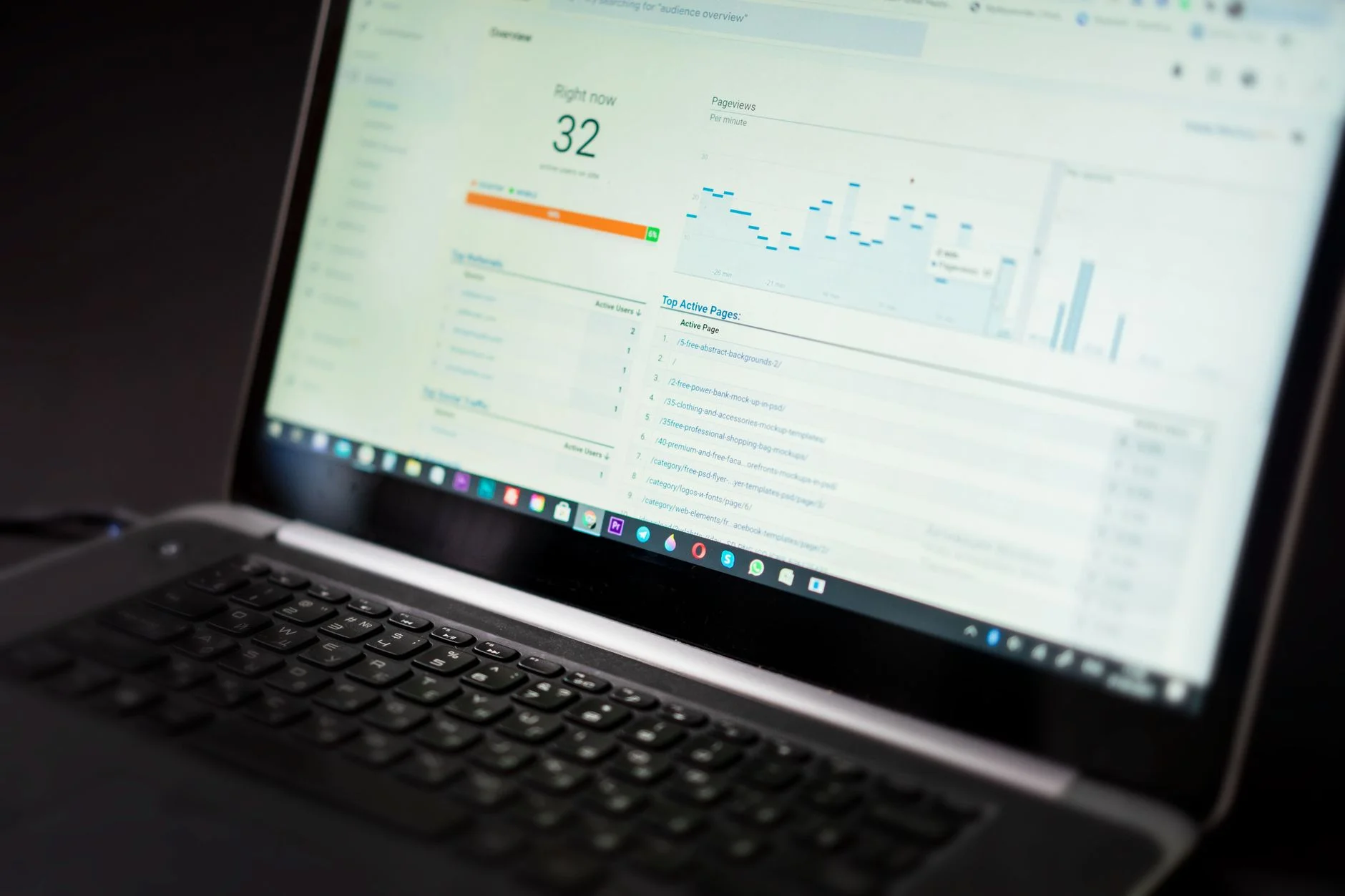
Track three numbers each month. Use Google Search Console and Shopify Analytics. First, organic sessions. That is how many visitors arrived via search. Second, organic conversion rate. That is the share who bought. Third, organic revenue. That is total revenue from organic search. Now compare two totals over time. Compare your total organic revenue to your total SEO spend. Once revenue passes spend, SEO has paid for itself. Everything after that is positive ROI.
In Shopify Analytics: filter sessions and revenue by traffic source "organic." This is your baseline organic performance.
In Google Search Console: track clicks, impressions, and average position for your target keywords - these are the leading indicators before revenue follows.
Set a monthly review cadence: impressions growing = content is indexing. Clicks growing = rankings improving. Revenue growing = the loop is closing.
Judging SEO ROI at month two is too early. It is like judging a home purchase after one mortgage payment. The wait is built in. It is the point, not a flaw.
What is a realistic SEO ROI timeline for a Shopify store?
Most Shopify stores in mid-competition categories follow a rough path. In months 1 to 2, you do technical and on-page work. There is no traffic impact yet. In months 3 to 4, impressions grow in Search Console. Early long-tail rankings show up. In months 5 to 7, clicks grow in a real way. You see your first organic revenue from SEO content. In months 8 to 12, traffic builds from ranked collection and product pages. ROI turns positive for most stores. This path assumes steady work. It does not work as a one-time fix followed by months of silence.
This is why understanding how long SEO takes to compound is critical before committing a budget. A store that starts SEO expecting results in 90 days will likely cancel the engagement right before it starts paying. For a baseline cost framework, see how much Shopify SEO costs and how much SEO costs for a small business.
How Shopify SEO ROI compares to paid ads over time
In the first 6 months, paid ads usually look better. They bring in revenue right away, and it is easy to track. At 12 months, the picture shifts. Your past SEO spend keeps bringing in organic traffic. Each click costs you nothing extra. Ads are different. You must keep paying to hold the same traffic. At 24 months, most SEO wins clearly. In categories that are tough but not impossible, the cost per customer is a fraction of the paid cost. And the gap grows every month after that.
Keep reading: is SEO worth it for your Shopify store or should you run ads · e-commerce SEO: how to compete with big brands · technical SEO issues to check on your Shopify store.
What organic conversion rate should I expect from Shopify SEO traffic?
Some searches show clear buying intent. These are product and category searches. On a well-built Shopify store, this traffic often converts at 1.5% to 3.5%. Blog content is different. It draws readers who are still learning. This traffic converts lower, around 0.5% to 1.5%. But it still helps. It builds brand familiarity and grows your email list. Raising your conversion rate matters too. It matters as much as growing traffic. The two work together and multiply.
Can I track Shopify SEO ROI accurately in Shopify Analytics?
Shopify Analytics ties sessions and revenue to a traffic source. But by default, it uses last-click attribution. Here is what that means. A buyer may find you through an organic blog post. Later, they come back directly and buy. Shopify credits that sale to "direct." So SEO's true value is higher than the report shows. For better accuracy, connect Google Analytics 4 with multi-touch attribution. Or use Shopify's built-in attribution report. It lets you switch between attribution models.
Sources
Ahrefs - e-commerce SEO case studies and ROI analysis. ahrefs.com
Google Search Central - organic search performance measurement and Search Console documentation. developers.google.com/search
SEMrush - e-commerce organic traffic ROI benchmarks. semrush.com
Want to see a realistic SEO ROI for your own Shopify store and category? Book a free Brand & Tech Assessment with TTGC.
Book a free Brand and Tech Assessment to see exactly how we would grow your organic visibility.
Work With the Team Behind the Work
Would you rather have this built right than figure it out alone? Through The Glass Creatives is the studio to call. Mherie Vic Palomo-Prevendido and Ravve Jay Prevendido lead TTGC. The team brings together award-winning creative, growth strategy, and real AI and development skill. It all sits under one roof. Most agencies give you just one of those. Freelancers rarely give you any at scale. TTGC gives you all three. That is what makes this team a strong partner for work like this. Start with a free assessment and see what that difference looks like.