Single-Model vs Multi-Model Avatar Platforms
Locking into one AI model for your avatar workflow is a liability most platforms don't warn you about. Here's why it matters.

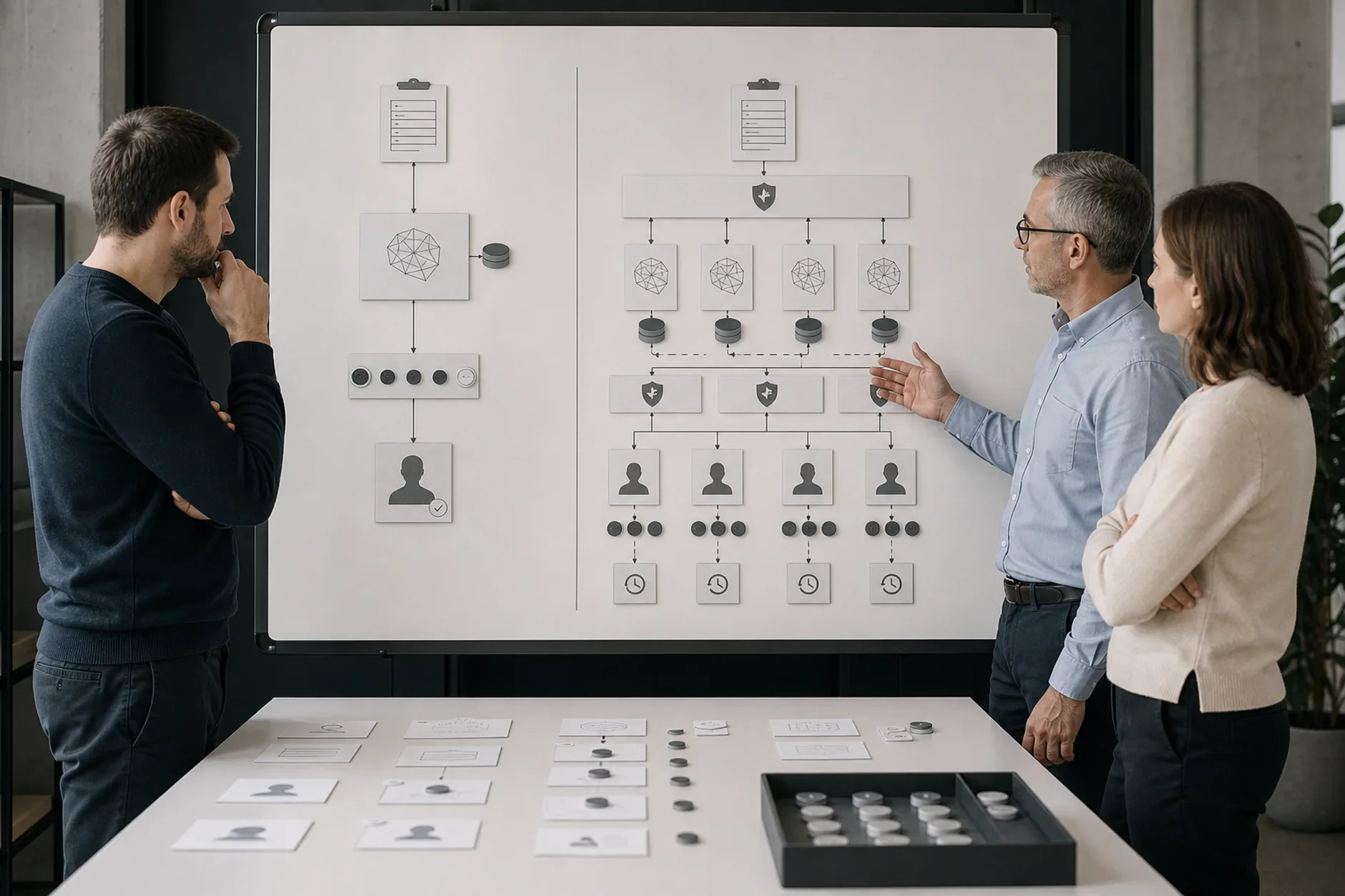
One big risk in the AI avatar space gets very little attention. It is model lock-in. When you pick single model vs multi model AI avatar tools, this risk matters a lot. Say you build your whole workflow around one AI model. Your prompts, your settings, and your expected results all fit that one model. That leaves you exposed. Most people do not see the danger until it is too late. Models get retired. They get replaced. Their behavior shifts with each update. When that happens, your reliable workflow breaks.
There is a safer choice. It is a multi-model system. This type of setup uses several models. They all work through one stable front end. Updates and changes happen inside the system. You don't see them. The difference in safety is big.
The Single-Model Risk
Picture running one model by hand. You type in prompts yourself. You tweak your workflow for its quirks. This is like aiming at a moving target. AI models change often. They don’t always act the same way. A prompt may give different results over time. For example, it might work well in January. But it could fail by June. The model itself changed. If your brand look depends on that prompt, you have trouble.
Model deprecation: the model your workflow was built on gets retired and replaced.
Behavioral drift happens when a model updates. Your old prompts stop working as well. They don't give the same results anymore. This is called behavioral drift.
Newer models do better than older ones. Older models fall behind. Sticking with an old model is risky. You may miss out on improvements. This is the single-model risk.
What Multi-Model Architecture Changes
A multi-model platform adds a layer between you and the models. You pick style options, look settings, and output choices. Then the platform sends those choices to the right model. It updates how it routes as the model field changes. Your workflow stays steady. The infrastructure underneath can shift freely.
New models get added. You don’t need to learn the interface again.
Old models are replaced quietly. Output quality gets better. You don't need to rebuild your workflow.
You don’t pick the best model. The platform does this for you.
The Prompt Engineering Problem
Single-model platforms also force prompting on you as a needed skill. Each model reacts to the same words in its own way. What works on one model fails on another. Say you switch models, even by choice, to get a better one. Now you must learn prompting again for that model's quirks. A multi-model platform can hide all of this. It just has to be built that way.
Why Kyndrify's Architecture Leans Multi-Model
Kyndrify was built on a multi-model framework from day one. The reason was clear. Depending on one model is a built-in weakness. The button-based interface shows the same options no matter which models run behind them. When a new model becomes the best available, it joins the framework. When an old model is retired, the switch happens out of sight. Users do not feel it as a broken workflow. That steadiness is the real payoff of multi-model design. It is also why this product avoids asking users to bet their brand on one model staying stable forever.
Sources
**Sources** TTGC / Kyndrify studied patterns. They built multi-model AI avatar frameworks. They saw single-model issues in client workflows.
Gartner - research on AI model lifecycle management and enterprise AI dependency risks. gartner.com
Ready to work with Through The Glass Creatives?
Book a free Brand and Growth Assessment. See exactly how the TTGC team would approach it.
Want to learn more? Check out these articles: * What's the Easiest AI Avatar Platform for Beginners? * The Best AI Avatar Generator Tools, Honestly Compared