The Scarcity Paradox: Why an Open Calendar Kills Brand Authority
We are wired to believe that anything difficult to obtain must be more valuable. Ease of access is the enemy of elite perception.


Here is a truth the best cosmetic healthcare practices know. Easy access can hurt how premium you look. Picture a patient who can book a consult right away, with no wait and no friction. Their mind does not read that as convenience. It reads it as a warning. We all face endless choices, so the brain treats easy access as a clue to quality. A practice that looks too available may send the wrong signal.
The Science Behind the Scarcity Paradox
Scarcity works as a value signal. Robert Cialdini showed this in his 1984 book, "Influence: The Psychology of Persuasion." He named scarcity as one of the six core ways to sway people. His research showed a clear pattern. We value things more when they are limited.
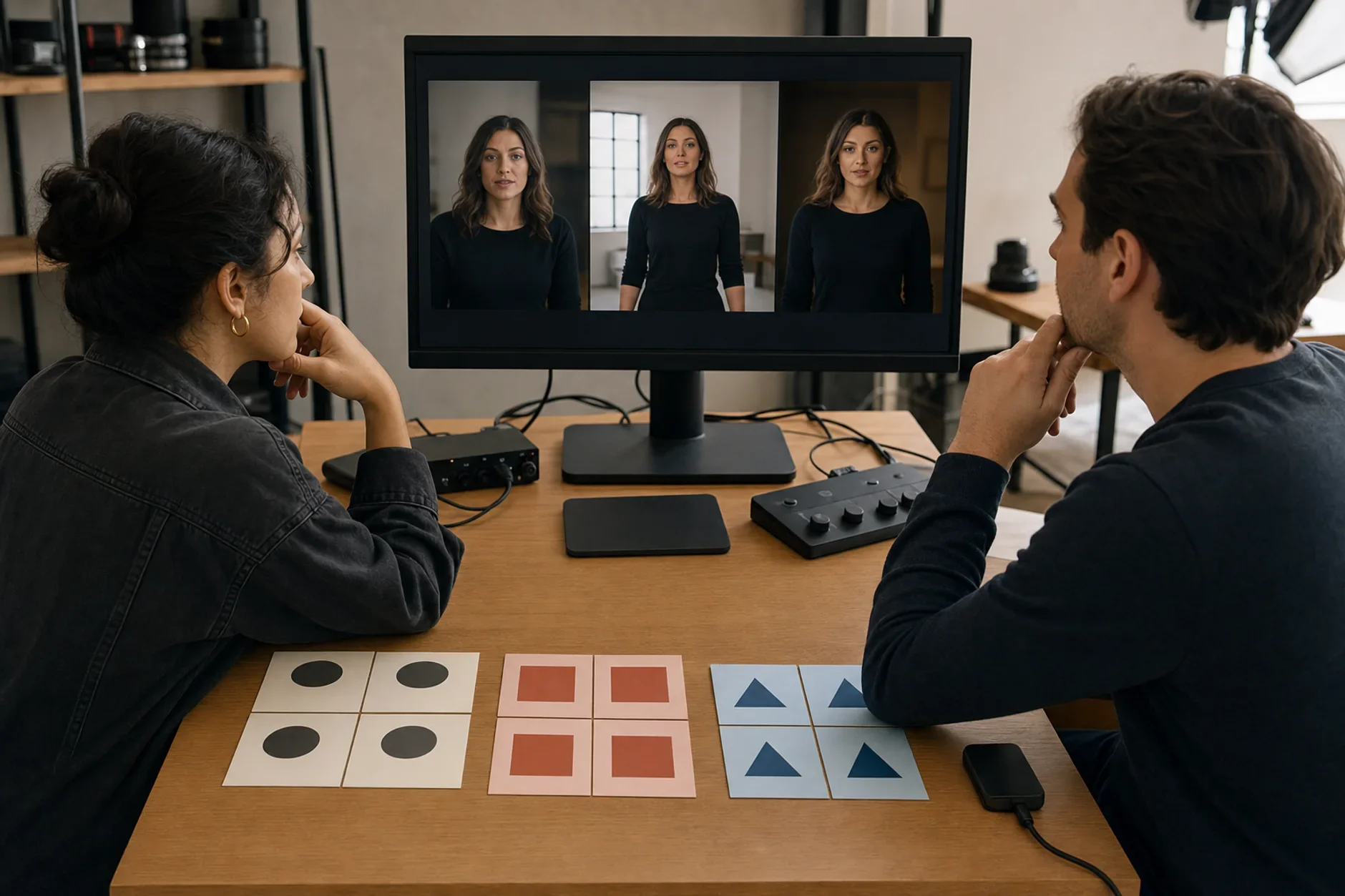
The best known study came from Worchel, Lee, and Adewole in 1975. They asked people to rate cookies from two jars. One jar was almost full, and the other was almost empty. The cookies were the same. Even so, people rated the cookies from the near empty jar as better and more wanted. The sense of scarcity raised the value on its own.
This effect comes from how we evolved. For our ancestors, scarce things often meant survival. Think of food, shelter, or a mate. So the brain built quick rules. It gives more worth to anything that looks limited. This is not a careful choice. It is fast, automatic, and happens below awareness.
Service businesses see this too. Aggarwal, Jun, and Huh studied it in the Journal of Advertising. They looked at perceived demand. That is the sense that other buyers want the same service. It raised what people would pay. It also raised perceived quality. The service itself did not change.
How This Applies to Elite Healthcare Brands
Most practices want to be as easy to reach as they can be. Their booking systems show every open slot. The front desk staff offer the soonest date. The thinking is simple. Convenience drives bookings.
For basic services, that thinking is right. But cosmetic healthcare is not a basic service. It is a big, personal choice. The patient weighs it through a lens of status and exclusivity. Now picture a booking system full of open slots. The patient's mind asks a question no campaign can answer: "If this practice is as good as they say, why is no one else booking?"
The Open Calendar Problem is a sneaky form of brand decay. It is also invisible to the practice. The website looks sharp. The content is strong. The clinical work is excellent. Yet the availability signal quietly undercuts it all. The patient does not think, "This practice must not be very good." They just feel less urgency. They feel free to wait. The chance looks safe, so why act now?
The top practices in the world share one trait. It is true in cosmetic surgery. It is true in aesthetic dermatology and restorative dentistry too. They all show selective availability. They do not block access on purpose. They just show the real demand for their time. They show the real limits of what they can take on.
The TTGC Approach
Through The Glass Creatives builds brand ecosystems. They show premium demand at every touchpoint. We do not make up fake scarcity. We just make the real demand clear. Every possible patient should see it and feel it.
The Brand Growth Program shapes the patient journey. It shows exclusivity, yet adds no barriers. The booking page shows curated slots, not an open calendar. Social media shows how many cases are in production, and how good they are. That builds social proof of demand. Email and patient notes show the practice as a place in high demand.
Our Creative Production Engine keeps the content flowing. That keeps the brand's social proof fresh. Picture a practice that posts strong transformation content three times a week. It signals active demand far better than one that posts now and then. Each new post is quiet proof. The practice is busy, sought after, and working at capacity.
The Custom Brand Engine builds scarcity signals into the system. The online experience adds wait list features. It uses limited consult windows. Intake notes stay choosy. A patient finds the practice online. Every part then sends one message. This is a place worth securing, not a commodity to shop around. That runs from the booking flow to the content pace.
Key Takeaways
Cialdini's scarcity principle shows a clear effect. Limits raise perceived value and quality on their own. The response is fast. It is rooted in how we evolved to stay alive.
The Open Calendar Problem is a common form of brand decay. Cosmetic practices see it a lot. It is also the one that is hardest to see. Wide open slots signal low demand to the patient mind.
Selective availability is not about blocking access. It is honest. It shows the real demand for elite work.
Posting strong content often acts as quiet proof of demand. It tells possible patients the practice is in demand.
Every digital touchpoint should push one idea. The practice is in high demand. That runs from the booking page to the pace of social posts.
Sources
- Cialdini, R. B. (1984). "Influence: The Psychology of Persuasion." Harper Business.
- Worchel, S., Lee, J., & Adewole, A. (1975). "Effects of Supply and Demand on Ratings of Object Value." Journal of Personality and Social Psychology, 32(5), 906-914.
- Aggarwal, P., Jun, S. Y., & Huh, J. H. (2011). "Scarcity Messages: A Consumer Competition Perspective." Journal of Advertising, 40(3), 19-30.
Ready to work with Through The Glass Creatives?
Book a free Brand and Growth Assessment. See exactly how the TTGC team would approach it.
Related reading: The Production Velocity Paradox: Why Successful Clinics Slow Down · Why Brand Consistency Beats Creativity