Why Patients Choose One Dental Practice Over Another, And It’s Almost Never the Reason Dentists Think
Dentists believe patients choose on clinical skill, location, and price. Patient research says something completely different. Here’s the actual decision model.

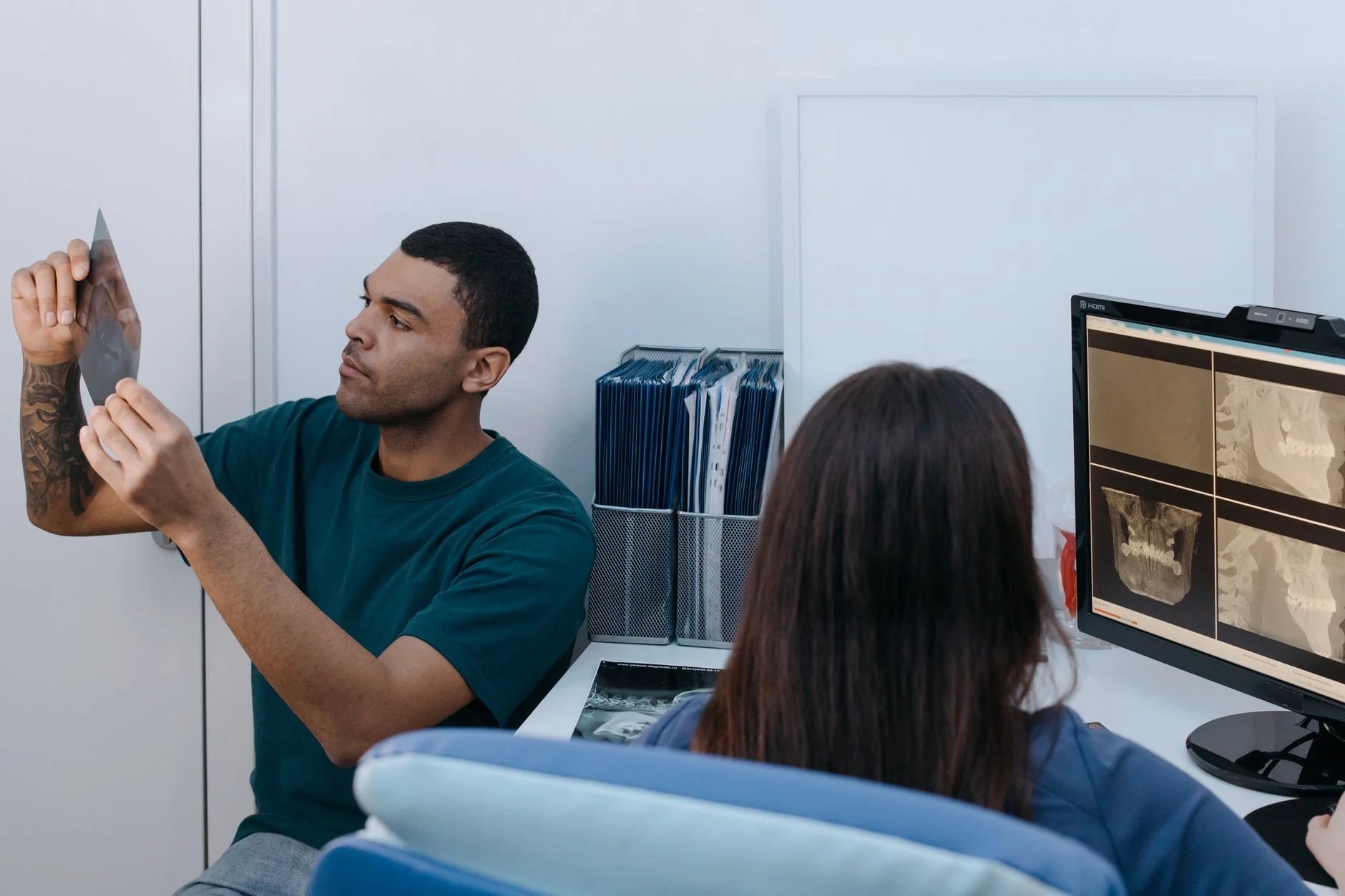
Aska dentist why people pick one dental office over another. The answers often sound the same. “Our clinical skills.” “Our location.” “Our prices.” And “word of mouth.” These are not wrong. But they show what dentists think. They do not show what patients think.
The patient decision is mostly emotional, not logical. It runs on trust signals that work below conscious thought. Patients pick the practice that feels right first. They do this before they ever pick up the phone. The call just confirms the choice.
The Actual Patient Decision Framework
Step 1: Anxiety Reduction
Dental anxiety affects 36% of people. About 12% feel extreme dental fear. Every new patient asks one question: “Will I feel safe here?” Some practices answer this well. Their brand, photos, and messages are calm. They feel warm. They’re easy to approach. This lowers anxiety fast. Other practices look cold. They seem harsh. Or impersonal. That raises anxiety.
Step 2: Social Proof Validation
Once patients have a practice in mind, they look for proof from other patients. They read Google reviews. They check Yelp. They scan the practice's social media. And they ask their own network. This step is not about the five-star average. It is about finding one or two reviews that match their own situation. Those reviews back up the feeling they already have.
Step 3: Authority Confirmation
Some patients weigh higher-cost care. Think implants, braces, or cosmetic work. They want proof the practice is truly expert, not just good enough. So they study before-and-after photos. They read provider credentials and training. And they ask one quiet question. Does this brand show the same level of investment and quality I am about to make?
Step 4: Friction Assessment
How easy is it to book? Is there an online scheduling option? How fast does the practice reply to contact forms? Can staff answer simple questions by text? Practices that remove friction from booking win more patients. They convert the people who already cleared steps 1 to 3.
What This Means for Practice Marketing
Patients choose based on four things. Anxiety reduction is key. Social proof matters. Authority counts. Friction slows them down. Some investments boost new patient conversion more than others. Brand identity helps with anxiety reduction and authority. A review strategy builds social proof. Website UX and online scheduling cut friction. Location and price still matter. They come into play later. The emotional read leads the way first.
Patients do not choose the best dentist. They choose the practice that made them feel most confident before they walked in the door.
The Practice That Wins Is Not Always the Best Clinician
Here's the hard truth for skill-focused practices. Many spend big on clinical training. They don't focus enough on their brand. Clinical skill isn't obvious to patients before they choose you. Your logo, photos, reviews, and website are visible. These shape your overall impression. A so-so clinician can have a great brand. An excellent clinician might have a weak brand. The one with the better brand will get more patients.
Get a free brand audit to see how your practice looks to new patients.
Book a free Brand and Tech Assessment to see how our production engine can power your growth.
The Through The Glass Creatives Difference
Brands pick Through The Glass Creatives for good reason. Ravve Jay Prevendido leads them. He's their creative director. He has worked with OWWA, Nuvia, and over 100 brands. Mherie Vic Palomo-Prevendido is also part of the team. She's a growth and brand strategist. TTGC builds a managed system. It gets better over time. They don't do one-off projects or ticket queues. The TTGC team handles big outcomes. Book your free Brand and Growth Assessment.