Will AI Replace Dentists? Test Tasks, Tools, and Risk
Avoid a job forecast. Check the exact task, intended use, evidence, authorization, human decision, privacy, patient path, failure, escalation, and review.

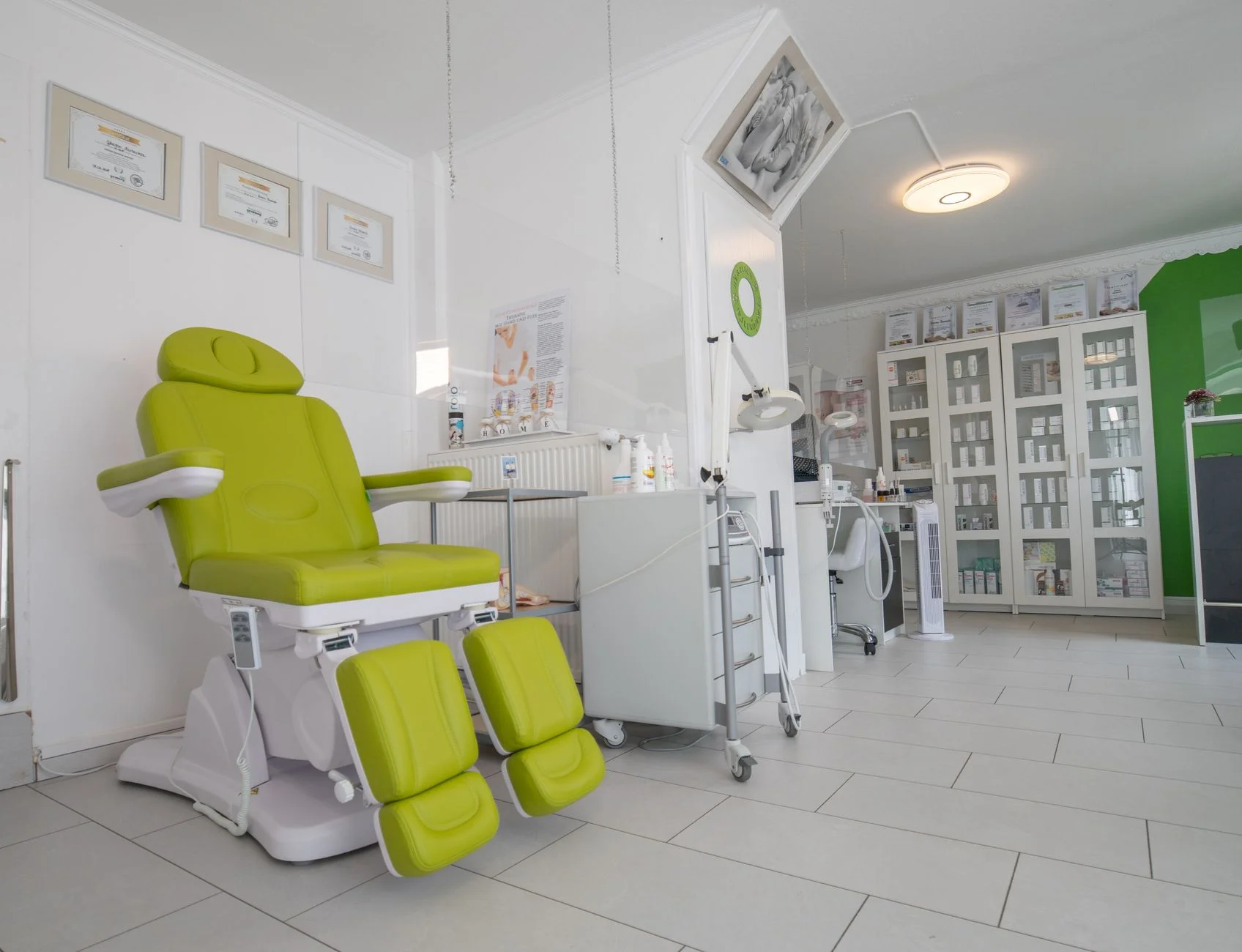
An AI tool in a dental office does not prove that jobs will go. Booking visits, checking images, writing notes, and treating people are not the same task.
Start With the Dental Task
Name the task. Note who uses it and how it may affect care.
Check what the tool is meant to do. Confirm its approval and proof.
Ask who checks the result and who stays in charge of care.
Test Safety and Patient Control
Count missed signs, false alerts, unfair results, delays, and failed access.
Guard health data. Control who can use, share, keep, or delete it.
Tell patients what the tool does. Give them a human help path.
Plan Failure and Review
Keep a safe manual path when the tool is wrong or is not online.
Log its version, faults, fixes, owner, and staff training.
Review it when the proof, use, law, or risk to patients changes.
For practice software, read AI for Dental Software. Keep care in view with AI and the Dental Human Touch.
The Direct Answer
AI is unlikely to replace dentists as a profession. It can help with narrow tasks, but a licensed dentist still joins history, exam, images, patient goals, risk, consent, judgment, hands-on care, and follow-up. The exact duty and tool status depend on the task and place.
A model does not hold a license, duty of care, or the full patient relationship.
Current software cannot carry out the full range of safe dental procedures.
A tool result is one input, not the final care decision.
Where AI May Help
Dental AI may support a narrow image review, chart draft, note, schedule, call route, lab path, or patient education task. Each use needs its own evidence and controls. Do not assume one approved use makes a tool safe for another use.
Imaging support may flag a region for a dentist to review.
Draft tools may prepare notes or codes that staff must check.
Office tools may help with routine scheduling or follow-up.
Patient tools should give clear limits and a human help path.
Know What AI Cannot Own
A dentist must understand the patient, settle unclear or conflicting facts, explain choices, gain consent, perform physical care, watch the result, and act when the tool is wrong. Nominal human review is not enough if staff lack time, skill, source detail, or power to reject the output.
Keep urgent, unusual, child, complex, and high-risk cases in a skilled care path.
Do not use a model output as a diagnosis or plan beyond its approved role.
Give the patient a way to ask, correct, complain, and reach a person.
Check the Exact Tool and Intended Use
Check the maker, version, market, intended user, patient group, input, output, claim, and action. Review the FDA or other regulator record when it applies. Read the evidence for the same task and population.
Check test design, sample, sites, devices, groups, limits, and outside review.
Ask how the tool handles missing, poor, rare, or changed data.
Set data, access, privacy, security, vendor, update, and exit rules.
Do not call a product approved, cleared, or certified without the exact basis.
Pilot One Full Dental Work Path
Use approved test cases and one bounded task. Compare the tool path with the current path. Include normal, wrong, missing, poor-quality, rare, and conflicting cases.
Track task success, missed and false flags, delay, overrides, rework, and staff time.
Review results by site, device, case type, and patient group when lawful.
Test the dentist's ability to reject, correct, pause, and use a safe fallback.
Stop for harm, weak data, unfair error, privacy loss, or failed human control.
Plan the Dental Team Around the Tool
AI may change tasks rather than remove the clinical role. Plan who checks outputs, talks with patients, handles faults, updates the system, and keeps skills current. Watch whether saved time becomes better care or only more load.
Train on limits, failure cases, patient questions, and safe override.
Review incidents, complaints, unequal errors, and vendor changes.
Keep a non-AI route for outages and cases outside scope.
Review the decision when the model, evidence, rule, patient group, or work path changes.
The Short Answer
Do not use a tool demo to predict job loss. Test each task, effect on care, stated use, proof, data risk, human choice, and failure path. AI alone cannot promise safe, legal, right, or better care.
Need a dental AI task map?
TTGC can map tasks, users, data, proof, checks, failure paths, owners, and review dates. Care, patient, legal, privacy, security, regulator, and vendor approval remain separate.
Sources
- American Dental Association: Artificial intelligence in dentistry. https://www.ada.org/resources/practice/dental-standards/artificial-intelligence-in-dentistry
- U.S. Food and Drug Administration: Artificial intelligence-enabled medical devices. https://www.fda.gov/medical-devices/software-medical-device-samd/artificial-intelligence-enabled-medical-devices
- Electronic Code of Federal Regulations: 45 CFR Part 164, Subpart E, Privacy of Individually Identifiable Health Information. https://www.ecfr.gov/current/title-45/subtitle-A/subchapter-C/part-164/subpart-E
- National Institute of Standards and Technology: AI Risk Management Framework. https://www.nist.gov/itl/ai-risk-management-framework