A Beautiful Website Can Destroy Conversions
Award-winning design and high conversion rates are not the same goal, and chasing the first can quietly kill the second. What we've learned building sites that have to sell.

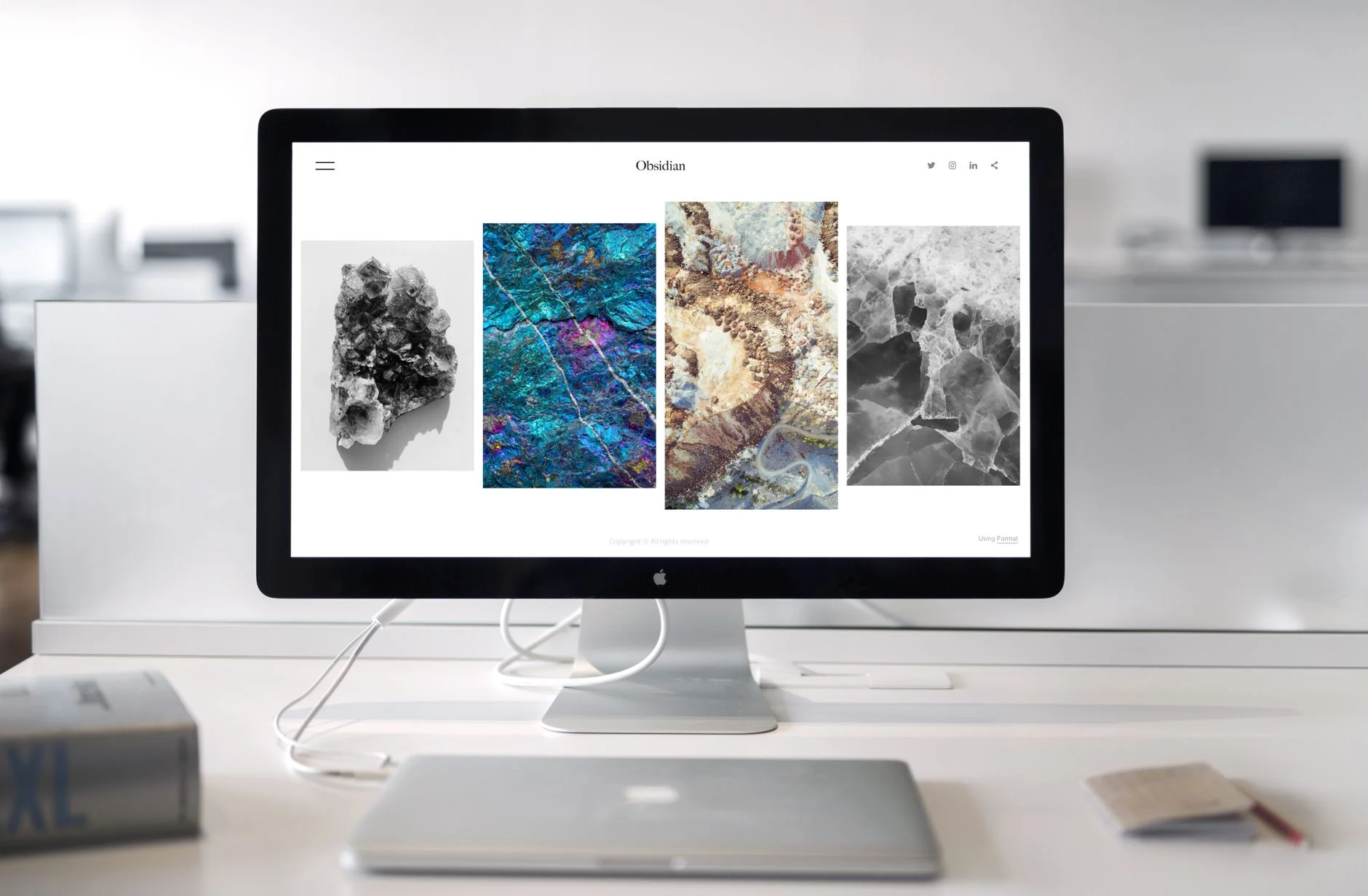
Some teams build beautiful websites. They also build websites that drive beautiful website conversions. Do both, and you learn an uncomfortable truth. The two goals are not always the same. Designing for beauty can in fact hurt conversions. A site can look stunning. It can win design awards. And it can still fail at the one job that pays the bills. That job is turning visitors into customers.
Why beauty and conversion split apart
Beautiful design often leans on things that fight conversion. Big full-screen images push the real message below the fold. Slow animations delay the moment a visitor can act. Minimalist layouts hide the path to buy. Clever interactions confuse people. They do not guide them. Each one can look great. And each one can quietly cost you customers.
The clearest example: the hero animation
Award-chasing design loves a fancy animated hero. The page loads. Something pretty unfolds over the next few seconds. The visitor just waits. It looks great in a portfolio. But on a real site with real traffic, every second of delay hurts. Visitors need to grasp the offer and act fast. Each extra second bleeds conversions. The pretty animation costs real sales. Many teams have seen this and dropped it.
What actually drives conversion
Conversion comes from clarity, speed, and an easy path to action. It does not come from visual drama. A site that converts loads fast. It makes the offer clear right away. It builds trust fast. It clears every block between interest and action. Often the page that converts best is simpler than the one that would win an award. Decades of usability research point the same way. Groups like the Nielsen Norman Group agree. Clarity and ease beat cleverness.
The conflict of interest nobody admits
Here is something agencies rarely say out loud. A site that wins awards and a site that makes money can pull in different directions. Award-winning sites get the agency attention and new clients. They do not always grow the client's revenue. A good agency puts the client's results first. That holds true even when the plainer design is the right call. The goal is a site that quietly makes money. It is not one that wins a trophy and then falls short.
How to tell which one you are getting
Does the design serve the message, or does the message serve the design?
Can a visitor understand your offer in five seconds, or do they have to wait and hunt?
Is the path to action clear, or is it buried under design choices?
Is the site fast, or does beauty come at the cost of speed?
Beauty still matters when it serves the goal
None of this means ugly sites convert better. Good design builds trust and guides attention. It is worth real care. The point is simple. Design must serve conversion, not fight it. Beauty that supports clarity, speed, and action is powerful. Beauty for its own sake, at the cost of those, is a liability dressed up as an asset.
The honest take
A beautiful website can hurt conversions when beauty becomes the goal instead of the means. The sites that truly grow a business work in another way. They test every design choice against one question. Does this help the visitor understand, trust, and act? Sometimes the answer kills a gorgeous idea. The right move is to kill it anyway. Clients hire an agency to grow the business, not to dress it up. Aim for the outcome, and let the beauty serve it.
Sources
Nielsen Norman Group - decades of usability research on clarity and ease over cleverness. nngroup.com
TTGC web practice - conversion patterns observed across client builds.
Ready to work with Through The Glass Creatives?
Book a free Brand and Growth Assessment and see exactly how Mherie, Ravve, and the TTGC team would approach it.
Related reading: Award-Winning Websites Often Fail at Sales · Web Development for E-Commerce Brands: Speed, Trust, and Checkout