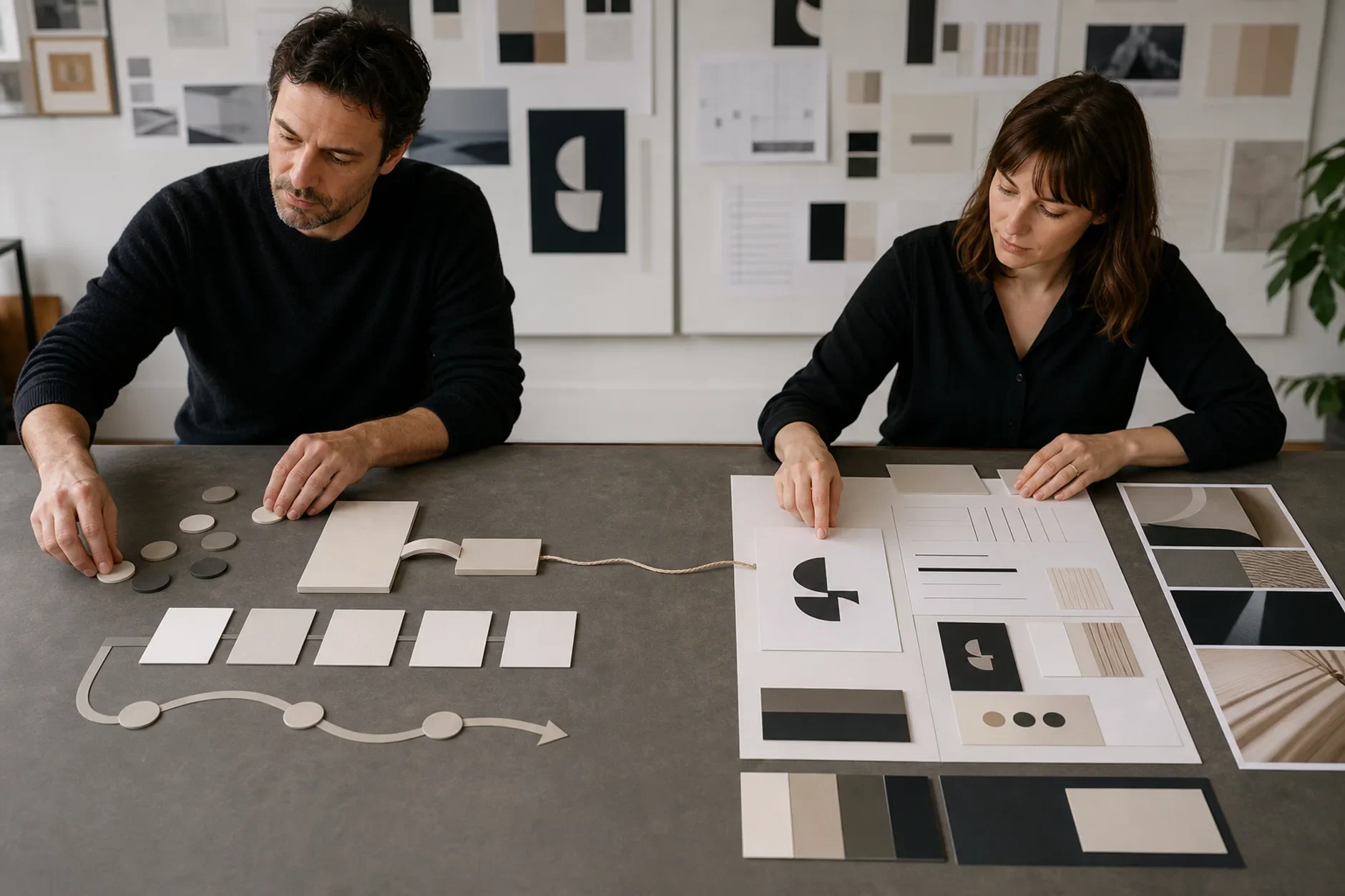
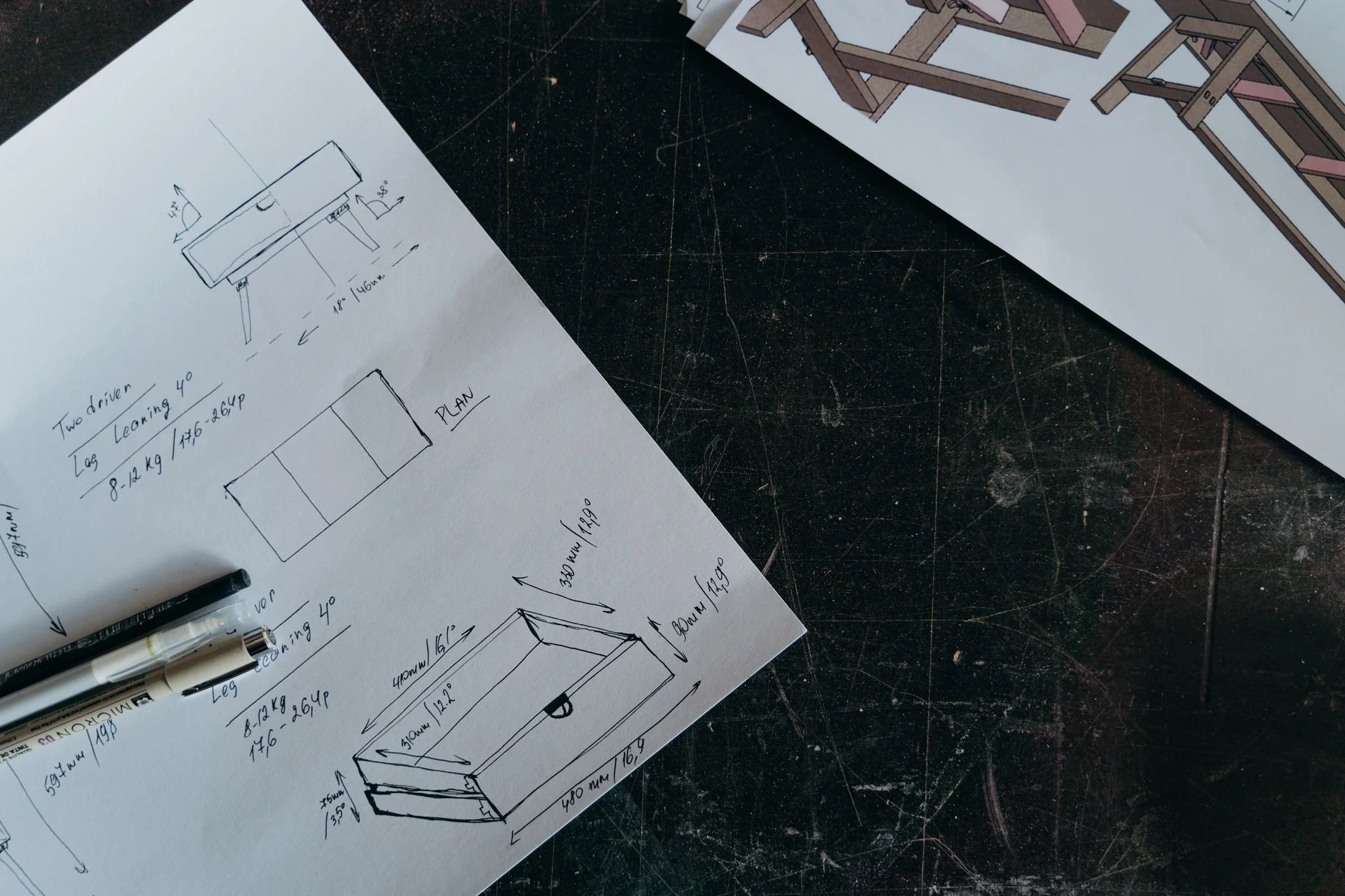
Branding for Consumer Products: Identity, Packaging and Retail Presence
In consumer goods, the product and the brand are inseparable. What sits on the shelf, or the screen, is not a product. It is a brand making a claim in two seconds.


Branding for consumer products works at the speed of a shelf glance. The average grocery shopper spends about 2.6 seconds on a product. Then they move on or pick it up. In that tiny window, your brand has to do a lot. It must show what category it fits. It must signal quality. It must show personality. It must give a reason to choose. And it does all this before anyone reads a word. Good product branding builds that 2.6-second argument.
The brands that win on the shelf are not the ones with the most facts on the label. They are not the ones with the longest ingredient list. The same is true on a fast digital scroll. The winners give a clear, accurate first impression of what the product stands for. That impression comes from color, type, and shape. It comes from the packaging itself. And it comes from the personality all of these create together.
Through The Glass Creatives builds brand systems for consumer products. We work with founders entering tough categories. We also work with established brands getting ready to grow. The work runs from identity strategy to packaging design to retail presence standards.
The CPG Brand Identity System
A product brand has to work in more places than almost any other brand. Think of the retail shelf and the e-commerce photo. Think of social posts and the brand's own website. Think of billboards, gift packaging, and the home. Each place is different. The viewing distance changes. The clutter around it changes. The shopper's mood changes. The brand has to hold up in all of them. And it must do so without a separate look for each one.
Packaging as the Primary Brand Medium
Structural and Visual Design Must Solve the Same Problem
The best product packaging solves one strategic problem two ways. The goal is simple: make this the most credible, most wanted, most distinct object in its set. Structure does part of the job. Form, material, size, and how it opens all signal quality and personality on their own. A glass jar says something a plastic tube does not. A matte finish says something a glossy one does not. Some brands treat structure as a cost choice and graphics as a brand choice. That split misses the integration that makes the strongest CPG identities work.
Range Architecture: How Products Talk to Each Other
Brands with many SKUs face a range problem. The products need to look like one family. They also need to read clearly on their own at the shelf. The systems that work keep one structural identity. That means the same materials, label format, and logo placement. Then they add one clear way to tell variants apart. Color coding by variant, fragrance, or use case works well at the SKU level. Differ too much across the range, and you fragment the brand's equity. Differ too little, and shoppers cannot navigate the range.
Pet Brands, Home Products, and the Identity Economy
"The consumer products that achieve the highest repeat purchase rates are the ones that have become part of the buyer's self-image. The product they buy is an identity statement, and the brand is the reason."
The product categories with the strongest loyalty growth share one trait. In each one, the purchase has become a way to express identity. Think of premium pet products and sustainable home goods. Think of artisanal food categories. The buyer is not just getting a product. They are buying membership in an identity category. A person who buys a premium organic dog food brand is expressing care, discernment, and values. They are saying something about how they treat their animal. The brand that makes that expression most compelling wins outsized loyalty.
Retail Placement as Brand Signal
For product brands, retail placement is not just a distribution choice. It is a brand signal. Where you sell a product says something about the product. A skincare brand sold only at Sephora sits in a different tier than one sold at Walgreens. The formula quality may be the same. Build a brand for the retail context you want. Then earn that placement. It is one of the best ways to set a clear quality and price tier. See how this works for premium beauty in Branding for Luxury Skincare: Prestige, Purity and Packaging.
DTC and the Brand-First Customer
The DTC channel has shown us something important about loyalty. Some shoppers find a brand through its own channel first. They bond with the brand story before they ever see the product in a store. These shoppers tend to have a much higher lifetime value than store-first shoppers. So DTC is not just a way to protect margin. It is a way to build the brand. It creates a customer tied to the brand identity, not just the product category. See how that brand-first relationship works in ecommerce in Branding for Ecommerce: How to Stand Out Online.
How TTGC Approaches Consumer Product Brand Work
Through The Glass Creatives works with product founders and brand teams. The work covers identity strategy and packaging design direction. It also covers brand systems that scale from launch to retail expansion. The approach starts with a competitive set audit. That means learning the visual language of the category. It means finding real chances to stand out. And it means spotting the brand position the target shopper is not yet offered. The Growth Assessment is the right place to start for founders ready to build for their category.
Build a consumer product brand that wins at shelf and online.
Book a free Brand and Growth Assessment and see exactly how Through The Glass Creatives would approach it.
Sources
- Nielsen, "How to Win at Retail: Packaging and Brand Signals," 2024.
- Kantar, "BrandZ Top 100 Most Valuable Consumer Brands 2025," 2025.
- Euromonitor, "Direct-to-Consumer Brand Loyalty," 2024.
- Shopify, "State of Commerce Report 2025," 2025.
Want hands-on help with this? Explore our Branding service.