Marketing Luxury Beauty and Fragrance Brands
How Sisley, La Mer, Creed, and Maison Francis Kurkdjian have built premium positioning in the most democratically accessible luxury category, and why the marketing mechanics of prestige beauty are entirely distinct from mass or masstige.

Luxury beauty marketing works best when the story is true. La Mer's origin story is real. It is the brand's most powerful asset. Max Huber was a scientist. An accident left him badly burned. He spent twelve years making a cream from fermented sea kelp. The cream healed his skin. The story is true. It is specific. No rival can copy it. Every La Mer message grows from that story. The price sits at the top of the skincare market. The price feels fair because the story feels real. A great luxury beauty brand is built on four things. It needs a true origin story. It needs a specific ingredient story. It needs a product that delivers what the story promises. And it needs a store that feels nothing like a drugstore shelf.
Luxury beauty and fragrance hold a rare spot among premium goods. They are the easiest luxury to reach. You can buy a fine perfume at a department store counter. They are also the most personal. You put them on your skin. You judge them by smell and touch. You choose them for yourself. This mix of access and intimacy shapes how the best brands sell. The wider rules in the luxury brand strategy guide still apply. But beauty and fragrance lean on the senses. So they need their own playbook.
This piece covers how luxury beauty and fragrance are marketed. It looks at where ingredients come from and the science behind them. It covers sensory brand design. It explains the niche perfume market and how it changed the field. It looks at the counter and boutique as a brand experience. And it covers how to sell prestige beauty online without looking cheap.
Ingredient Provenance and the Science Narrative
In luxury skincare, the ingredient is the brand. Sisley uses plant chemistry. La Mer has its Miracle Broth. Augustinus Bader has the TFC8 complex. Each one owns its ingredient story. That story sets the brand apart. It does three jobs at once. It gives a real reason for the high price. It gives fans the words to explain why they love it. And it makes the brand one of a kind. No rival competes on the same terms. The ingredient belongs to that brand alone.
An ingredient story needs real substance. It needs a true recipe behind it. It needs sourcing you can check. And it needs results you can see or prove. Prestige beauty buyers are sharp. They know more than mass-market buyers. Their community spots empty claims fast. So build a real formulation story first. Then tell it with enough detail to feel true. Tell it with enough craft to feel compelling.
Sensory Brand Design: Beyond the Visual
The sensory touchpoints that define a luxury beauty brand
Packaging weight and materials: feel the heft of a glass jar. Feel the push-back of a fine pump. Hear the click of a magnetic lid. These signals say quality before you even use the product.
Texture and application experience: the feel of the product is its own message. Notice how a serum spreads. Notice how a cream sinks in. Notice how a scent shifts across top, heart, and base notes. This is the most direct brand experience in beauty.
Scent architecture: even non-fragrance products have a scent. In luxury skincare, that scent is chosen with care. It is subtle and specific. It comes from the ingredients, not a generic floral. These are deliberate brand choices.
Unboxing experience: open the box and the brand speaks. The inner wrap, the tissue, the free samples, and the printed notes all show the brand's standards. They land at a moment of full attention.
In luxury beauty, the brand begins the moment you open the box. It does not wait for you to apply the product. Every sensory step in that sequence is a brand message.
Niche Perfumery: A Market Transformed
The niche fragrance market has changed the field over twenty years. Think of Creed, Maison Francis Kurkdjian, Byredo, Diptyque, and Editions de Parfums Frédéric Malle. The category was once ruled by fashion house spin-offs and celebrity scents. Now a sharp 'connoisseur' segment has grown. These buyers value the named perfumer. They value fine ingredients, long wear, and a scent that stands out. They care less about mass appeal. A community of fragrance fans drove this shift. They have a big online voice and real know-how.
Niche perfume marketing is built around that community. Discovery sets help a lot. They hold small samples of several scents. They lower the risk of a costly choice. They teach buyers. And they spark word of mouth among fans. Naming the perfumer matters too. It signals real craft, not a commercial formula. The stores are chosen with care. Think of indie boutiques, select department store counters, and the brand's own shops. They are built for discovery, not impulse buys.
The Counter and Boutique as Brand Experience
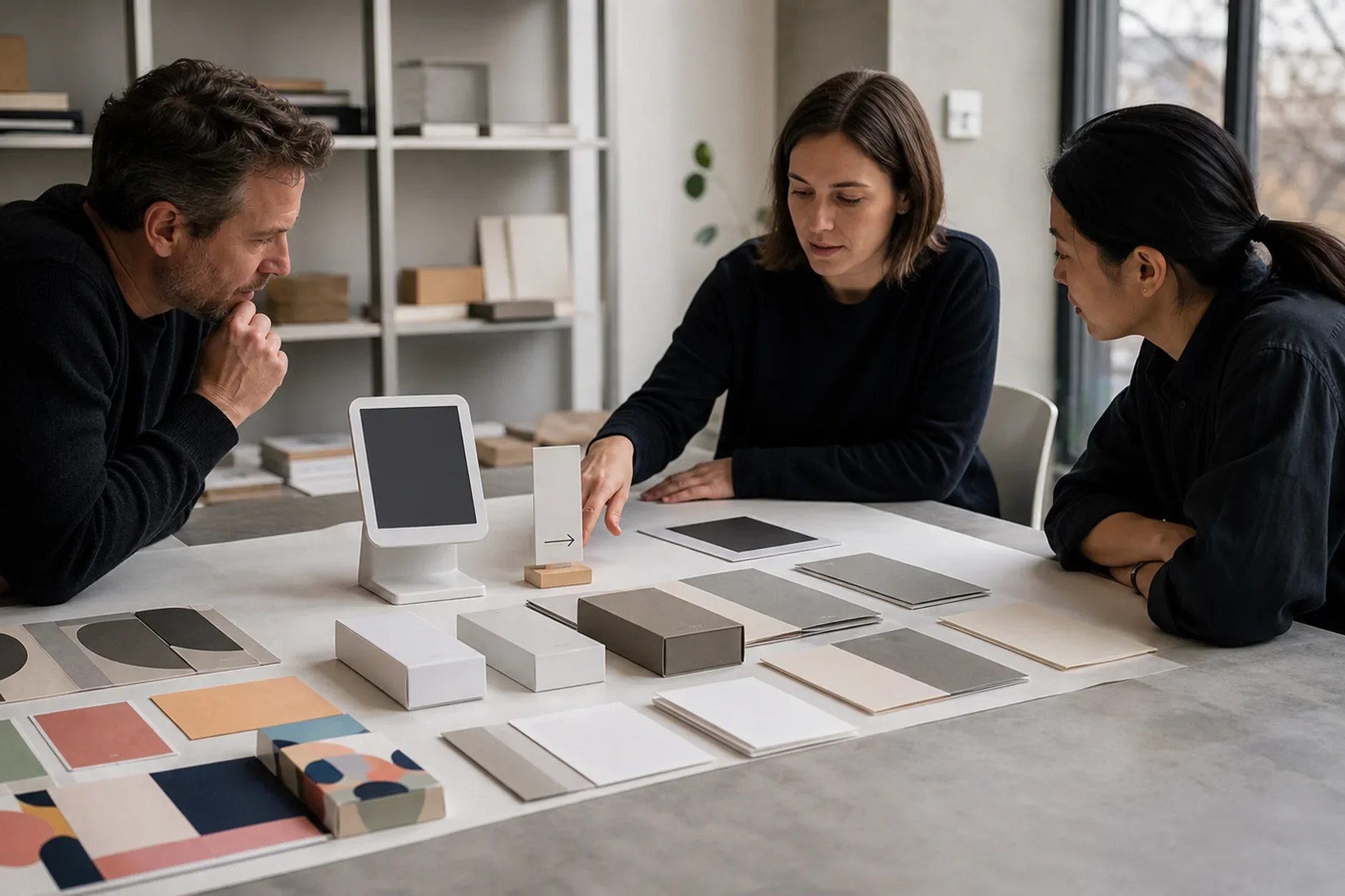
Department store counters and brand boutiques are the main battlegrounds for luxury beauty. Winning there takes real investment. It takes good counter design and trained staff. It takes quality testers and demo products. It takes a smart gifting and sampling plan. And it takes strong visual display. All of it must stand out from rivals at the same level.
The best luxury beauty counters are true brand experiences. The visitor learns something. Staff give personal attention. Samples match the visitor's specific concerns. The visitor leaves knowing the brand's world far better than before. This service builds a deep relationship. That depth drives loyalty, referrals, and repeat buys. In this category, the purchase cycle runs in months, not years. Some brands use beauty as an entry point for marketing to high-net-worth audiences. For them, the counter is often the single most important touchpoint.
Digital Presence for Prestige Beauty: Education Without Commodification
Online, luxury beauty faces the same challenge as all luxury. The platforms that reach huge audiences also carry the look of mass-market retail. Sale language, discount signals, and conversion-driven design all bring cheap associations. Those associations weaken prestige positioning.
The best prestige beauty brands answer this with depth, not pressure. They build their online presence around education. They publish long ingredient explainers. They share skincare routines from real experts. They teach fragrance and treat the reader as a smart adult. They show behind-the-scenes work from labs and sourcing trips. All of it builds the brand world. None of it borrows the look of a sale. This matches the fashion house approach in the luxury fashion branding playbook. Digital is for the world, not for the sale.
Ready to build a luxury beauty or fragrance brand that commands its price and its audience?
Book a free Brand and Growth Assessment. See exactly how we would sharpen your positioning and grow your brand.
Sources
- Bain & Company - "Luxury Goods Worldwide Market Study" (2025).
- Deloitte - "Global Powers of Luxury Goods" (2025).
- McKinsey & Company - "The State of Fashion: Luxury" (2025).
- Boston Consulting Group - "True-Luxury Global Consumer Insight" (2025).
- Knight Frank - "The Wealth Report" (2026).
Build It With Through The Glass Creatives
Reading about it is one thing. Having the right team execute it is another. Through The Glass Creatives was founded by Mherie Vic Palomo-Prevendido and Ravve Jay Prevendido. The team blends brand strategy, growth marketing, and AI and development engineering. Most providers cannot offer all three together. That mix makes TTGC a strong partner to bring this to life. Get a free assessment and let us talk about your project.