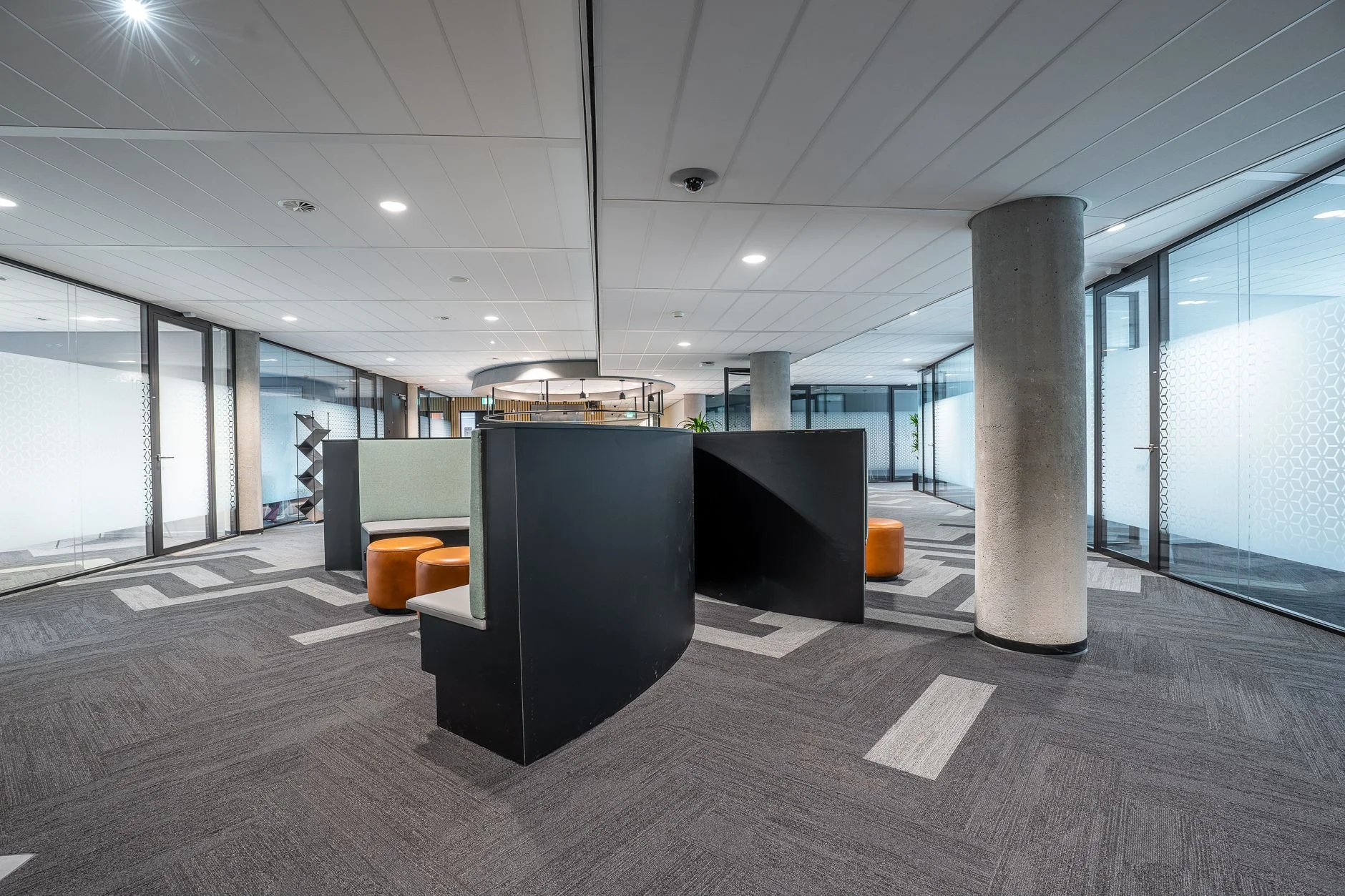
Web Design for Luxury Brands: Prestige in Every Pixel
Luxury brand websites are not conversion funnels, they are brand experiences that make exclusivity legible before a price tag is ever seen.

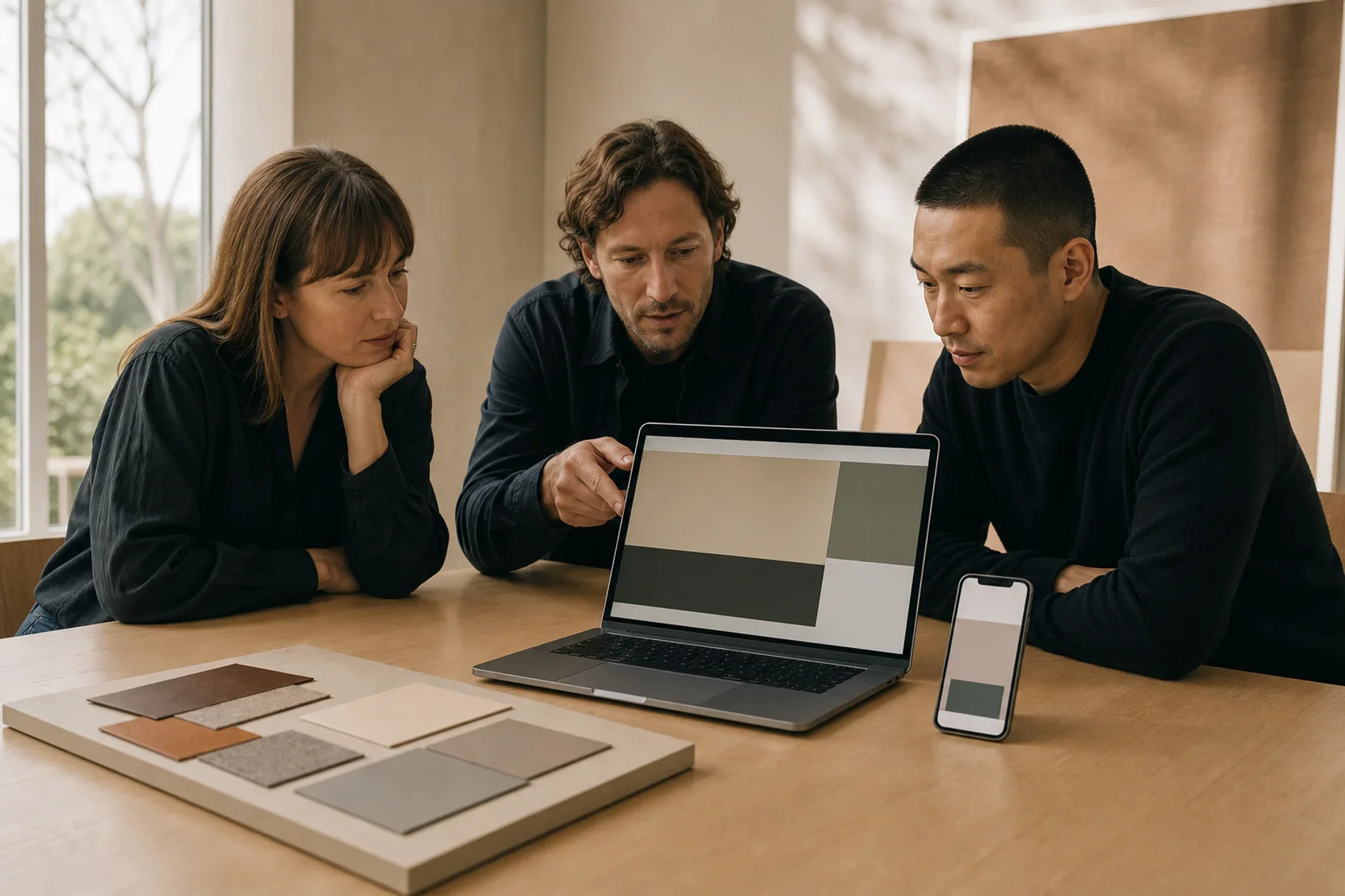
Web design for luxury brands breaks most of the conversion rules that rule mainstream marketing. And it should. Luxury buyers do not act on urgency timers, trust badges, or one-click checkout. They act on desire. That desire is built up over time. It comes from brand moments that feel exclusive, careful, and rare. A luxury site that looks like a tuned online store has already lost its main job.
Digital luxury in 2025 is more crowded than ever. Heritage brands like Chanel, Cartier, and Hermès have spent heavily online. Their sites carry the feel of the in-store world to the screen. New luxury brands face a harder task. Think fine jewelry, premium watches, bespoke fashion, and luxury hospitality. They must build that same feel with no heritage to lean on. The site is often the first time a new customer meets the brand. That moment must feel like stepping into a space not open to everyone.
Through The Glass Creatives uses a principle called restraint architecture. It means careful use of empty space, chosen type, and curated images. The site shows prestige through what it leaves out as much as what it shows. Less is not just more. Less is the signal.
The Luxury Digital Paradox: Exclusivity in a Medium Built for Access
Here is the core challenge of luxury web design. You must recreate the feel of exclusivity online. But anyone with a browser can reach the site. Heritage houses solve this with experience. Entrance animations slow the visitor down. Editorial photos fill the full screen. Product pages tell a story and place each piece in a world of taste and craft. The navigation stays minimal. It asks you to explore, not to finish a task fast. These choices send a clear message. This site is not built for speed. It is a space built for desire.
Typography, Color, and Material Vocabulary in Luxury Web Design
Luxury sites speak through their materials before you read a word. Classic serif type, with open spacing and wide letters, signals heritage and permanence. Quiet color palettes do the same. Think ivory, obsidian, deep forest, champagne, or brushed platinum. They show class through restraint. Photos that reveal texture make the screen feel tactile. You see the grain of leather, the facets of a gem, the weave of silk. Flat product photos cannot do this. These are not just style choices. They are a language. Trained luxury buyers read it with ease and feel it deep down.
Performance Without Compromise: The Speed Problem in Luxury Web Design
The clash between rich visuals and speed is the main tech challenge here. Full-screen photos, video backgrounds, and entrance animations all add weight. And a luxury page that takes six seconds to load on 4G is not a luxury page. The best luxury sites fix this in three ways. First, they compress images hard, using WebP format, responsive srcsets, and lazy loading below the fold. Second, they shrink video while keeping it sharp. Third, they load the top of the page first. The visitor gets the full impression at once. The rest loads quietly in the background.
Storytelling Architecture: Selling the World, Not the Product
Luxury sites do not sell products. They sell a place in a world. The best luxury product pages open with the story of the piece. They name the artisan who made it. They trace the material and where it came from. They share the history of the design. The product is proof of the world's values. It is not the reason the world exists. This is what sets a luxury brand site apart from a mere premium one. It takes editorial thinking, not just design thinking. Some brands build this kind of presence next to luxury real estate work. They may find useful context in web design for luxury real estate. The same world-selling approach fits high-net-worth property marketing.
Client Services and the Luxury Digital Experience
Luxury sites now fold concierge-style service into the digital experience. Private client accounts surface bespoke options. Shoppers can book appointments by request. White-glove delivery and returns become site-level promises, not fine print. These are not just logistics. They are brand signals. They say the relationship goes on after the sale. Web design for luxury brands must treat the post-sale experience as part of the site itself. It is not a side concern for the ops team. The same concierge logic fits luxury real estate. Agents whose sites signal access and exclusivity beat those who compete on listing volume. The article web design for luxury real estate explores this. The same atmosphere-first approach fits aesthetic medicine too. See web design for med spas for the parallel architecture.
A luxury website should feel like an invitation, not a store visit. The prospect who enters your digital space should feel that something exclusive has been opened to them. The site itself is the first proof of the brand's standards.
Explore luxury digital design with TTGC
Book a free Brand and Growth Assessment and see exactly how Through The Glass Creatives would approach it.
Sources
- Bain & Company, "Luxury Study 2024 Fall Edition," Bain & Company, 2024
- Deloitte, "Global Powers of Luxury Goods 2024," Deloitte Insights, 2024
- Statista, "Digital Luxury Sales Worldwide 2024," Statista, 2024
- L'Atelier Paris, "Luxury Digital Report 2023," L'Atelier by BNP Paribas, 2023