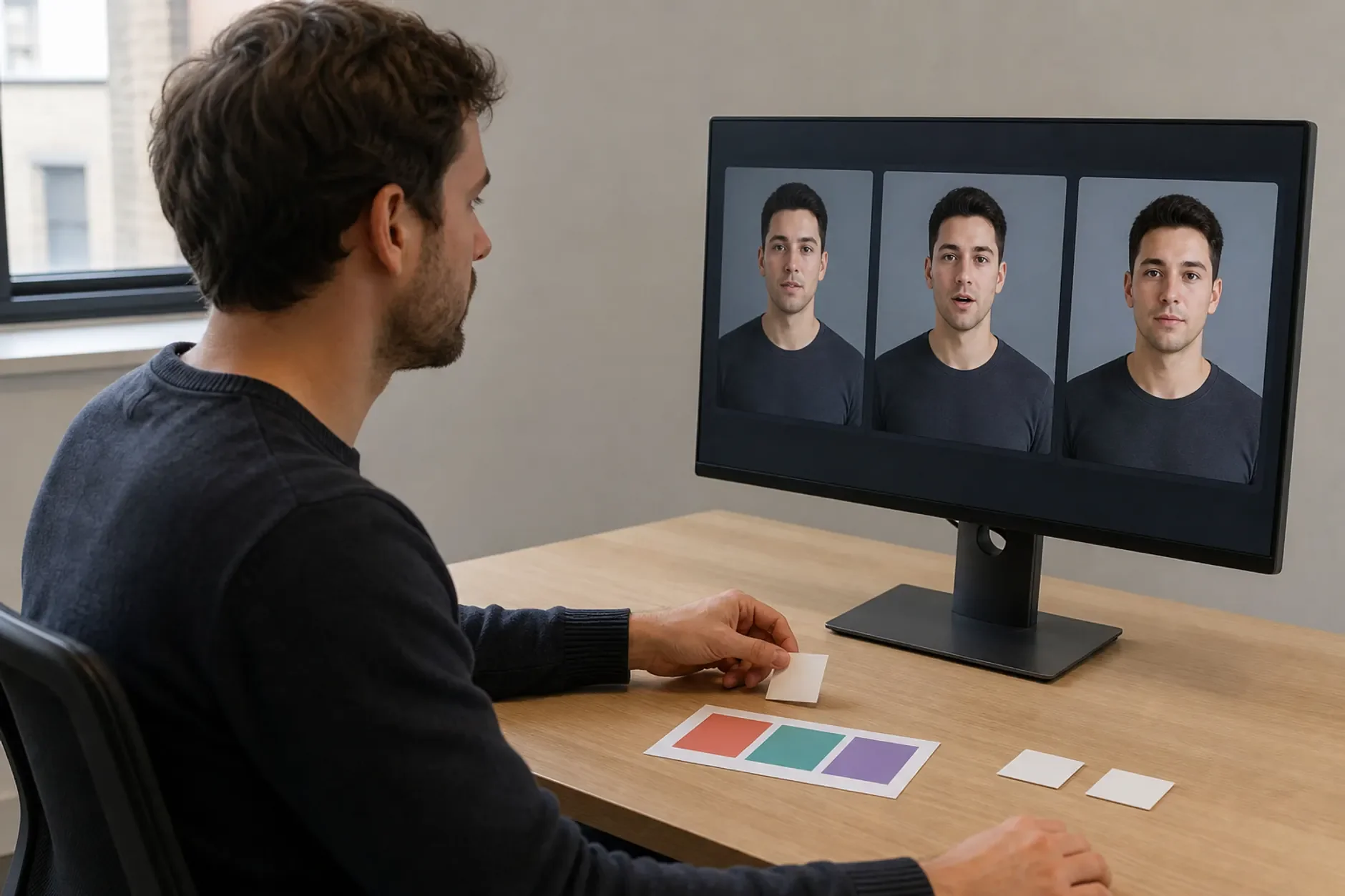
Why Most Avatar Tools Make You the Prompt Engineer
The dirty secret of AI avatar tools is that they've outsourced the hard work to you, and called it "creative control."

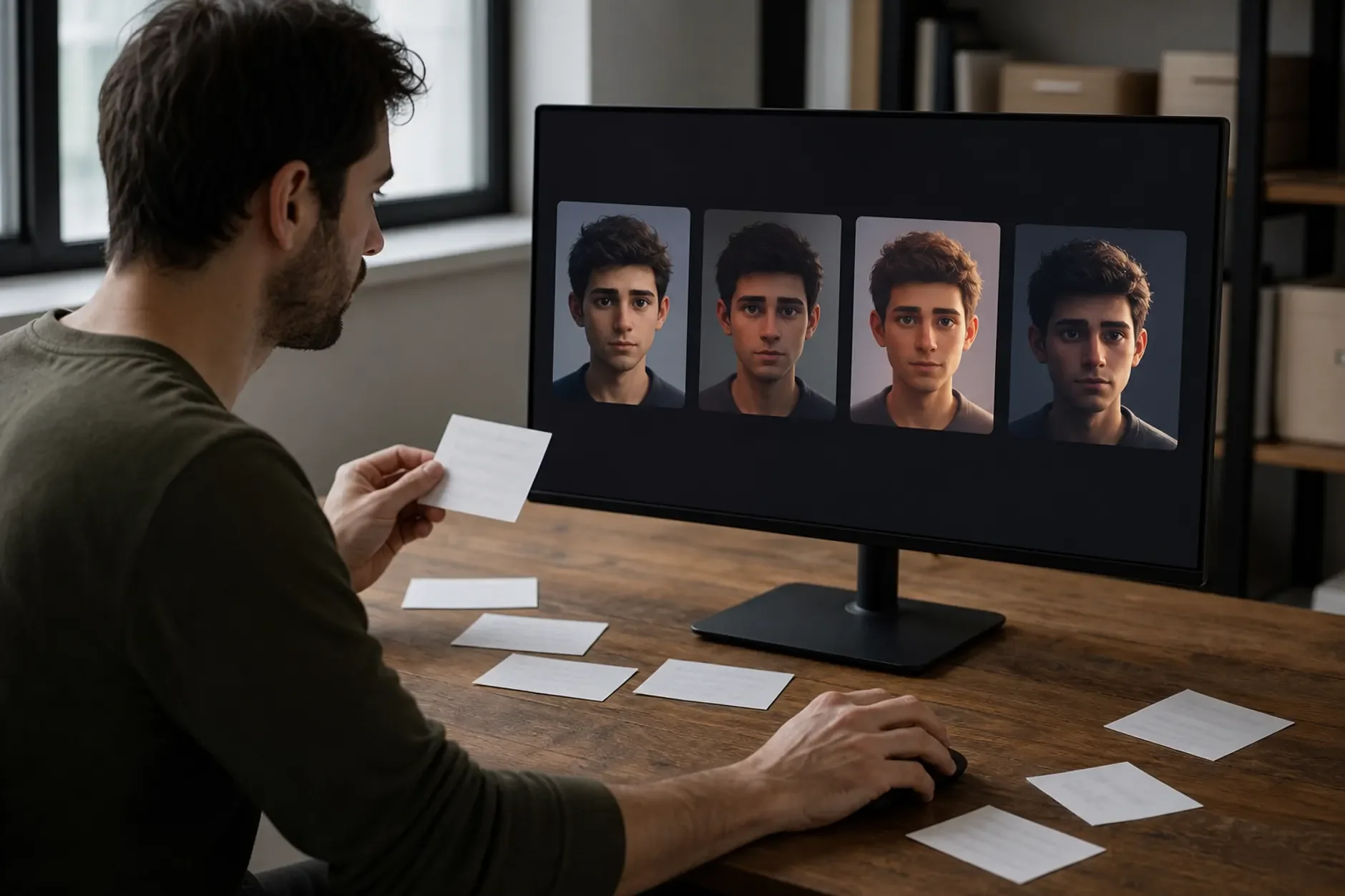
Here's the truth about AI avatar prompt engineering. The avatar industry has given you the hard task. Most tools have not fixed it. The interface is just a text box. The "creative control" is an empty field. The "powerful tool" creates what you describe. Figuring out which words to use is your job.
This gets sold as a feature. It's called "full creative control." Another term used is "unlimited possibilities." But most users just want a good avatar. They need one for their brand. Think of business owners, marketers, and busy professionals. For them, it's not a feature. It's a requirement they never signed up for. You are not using a tool. You have become a prompt engineer. You also have a business to run.
What Prompt Engineering Actually Requires
Good results from a raw model interface take knowledge most users do not have and should not need. You must know which style keywords the model responds to. You must know how to dodge common failures, like distorted hands, uneven lighting, or the wrong skin tone. You must structure a prompt that repeats well instead of returning random output. This is a real skill. Power users build it over weeks of trial and error. Everyone else is left guessing.
Prompting skill is model-specific. What works on one model fails on another.
You lose your prompting skills if you don't use them. Model updates may ruin your hard work. They might break the prompts you refined for hours.
Prompt engineering is a personal skill. Your prompts may not work for others. People write differently. So their prompts will differ too. This makes it hard to share prompts.
The Inconsistency Problem That Follows
When prompts are the input, consistency depends on user skill, not platform design. Two people use the same tool and get different results. Their creative vision is the same. Only their prompting technique differs. For brand use, this is a serious problem. Your avatar should look like you no matter who made it. It should look like you whether it was made in January or July.
The break-on-update problem is bad. Many users have seen this happen. A prompt works well for months. Then it gives different results. This happens without warning. Your workflow has not changed. The model has. It got updated silently. You tuned your prompt for the old version. Now it does not work as before.
The Design Alternative: Remove the Prompt Burden
The fix is not less control. It is structured control. Drop the blank text box. Instead, use a structured input system. It shows key choices up front. Think style, tone, color palette, background type, and lighting mood. You click the options that match your intent. The platform turns those clicks into the right model inputs. You keep full control over the result. The platform handles the translation. This used to require expertise.
What Kyndrify Does Instead
This started Kyndrify. Users had to work too hard with prompts. This felt like bad design. It should not be this way. So they built a button-based tool at Kyndrify. You click to build your avatar. No writing needed. No blank box to fill in. No special words to learn. Your prompts won't break on updates. The tool handles model changes. Not you.
You won't rely on memory or writing skill. Your results will stay the same. Your input stays the same. You didn’t just get lucky with your words. This is the difference between a helpful tool and a hard one. The tool works for you, not the other way around.
Sources
TTGC / Kyndrify. Patterns from watching the prompt engineering burden across user types in AI avatar workflows.
Nielsen Norman Group. Research on cognitive load, expert versus novice users, and interface design for broad audiences. nngroup.com
MIT Technology Review. Coverage of AI model update cycles and user-facing behavior drift. technologyreview.com
Ready to work with Through The Glass Creatives?
Book a free Brand and Growth Assessment. See exactly how the team would approach your project.
Related reading: You're Spending Too Long Figuring Out Prompts · Why Building an Avatar Feels Harder Than It Should