Why Your Website Visitors Don't Convert (and How SEO Fixes It)
Most conversion problems aren't design problems, they're traffic problems. The visitors landing on your site often have the wrong intent, and better SEO is the fix, not a new colour palette.

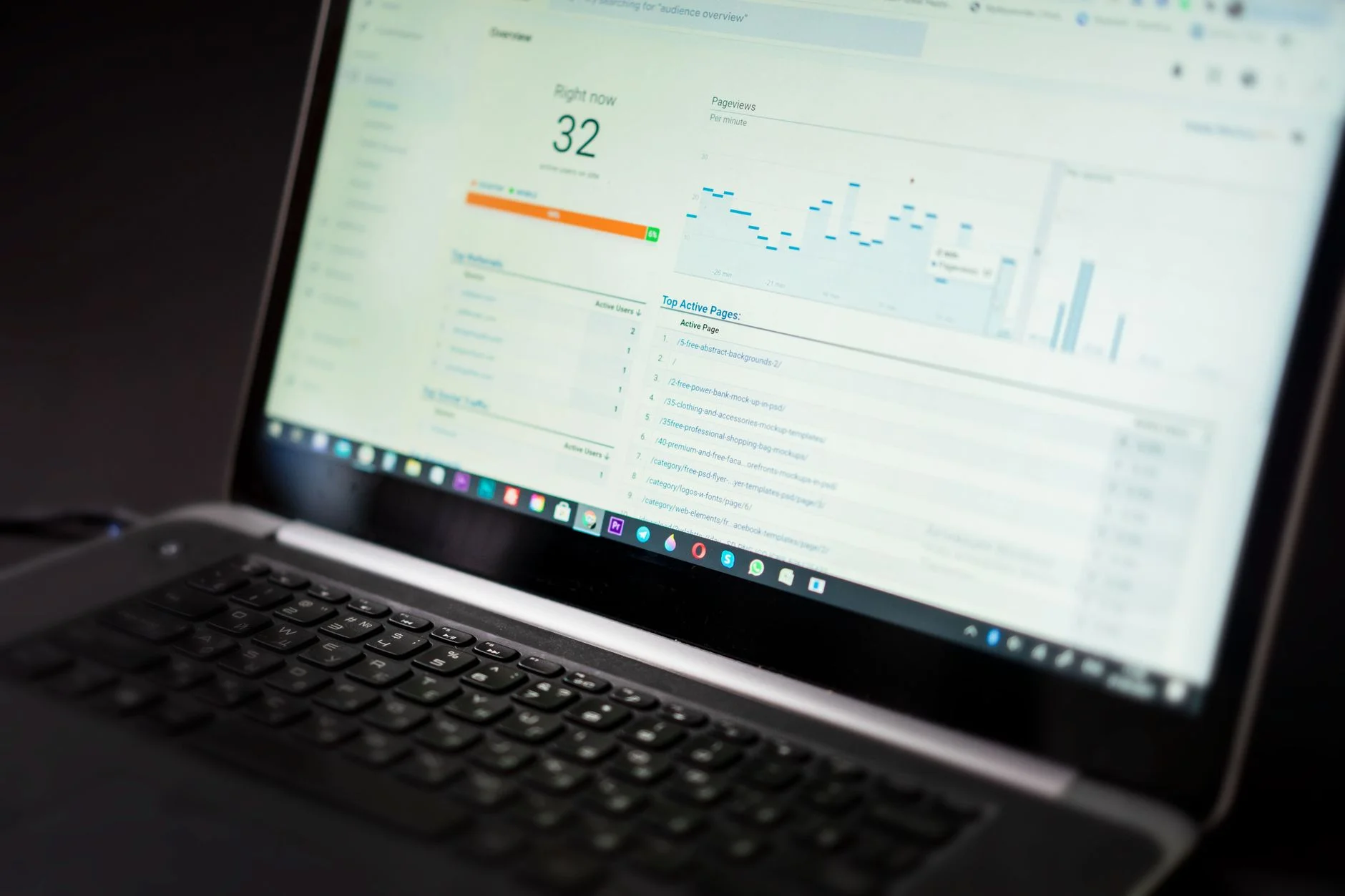
The most frustrating spot in digital marketing is simple. You get traffic, but no enquiries. Analytics shows hundreds of visitors a month. The site looks smart. Yet the phone barely rings. When website visitors do not convert, owners tend to blame the design. They change the button colour. They rewrite the headline. They add a pop-up. But the design is rarely the problem. The real problem is that the traffic is wrong.
SEO and conversion rate are linked more closely than most owners think. The keywords you rank for decide who lands on your pages. The intent behind those keywords decides what those visitors want. Say your rankings rest on informational queries. Those bring people who are learning, not buying. No design tweak will lift your conversions much. You need transactional queries instead. They bring people who are ready to hire or buy.
Why do most low-conversion traffic problems start with keyword intent?
Most conversion gaps come from one mismatch. Your keyword intent does not match your page purpose. Say your site ranks mostly for broad informational queries. Think "what is digital marketing" or "how does SEO work." You then attract researchers. These people are at the start of their journey. They are not buyers about to decide. They do not convert because they are not ready. Your site did not fail them. The timing is just wrong.
Informational intent: "what is," "how does," "why does" - visitor is learning, not buying. Low conversion expected.
Navigational intent: branded queries - visitor already knows who you are. High conversion if the page matches.
Transactional intent: "hire," "price," "cost," "near me," "best [service] for [situation]" - visitor is ready to buy. Highest conversion potential.
Commercial investigation: "X vs Y," "is X worth it," "reviews of X" - visitor is comparing before deciding. High conversion if you are in the comparison.
Some sites rank well for informational content. But they have no pages built to sell. No service pages. No location pages. No pricing content. These sites will always convert poorly. Good design cannot save them. The SEO fix is clear. Build and rank the pages that buyers actually use.
What does the path from search to conversion actually look like?
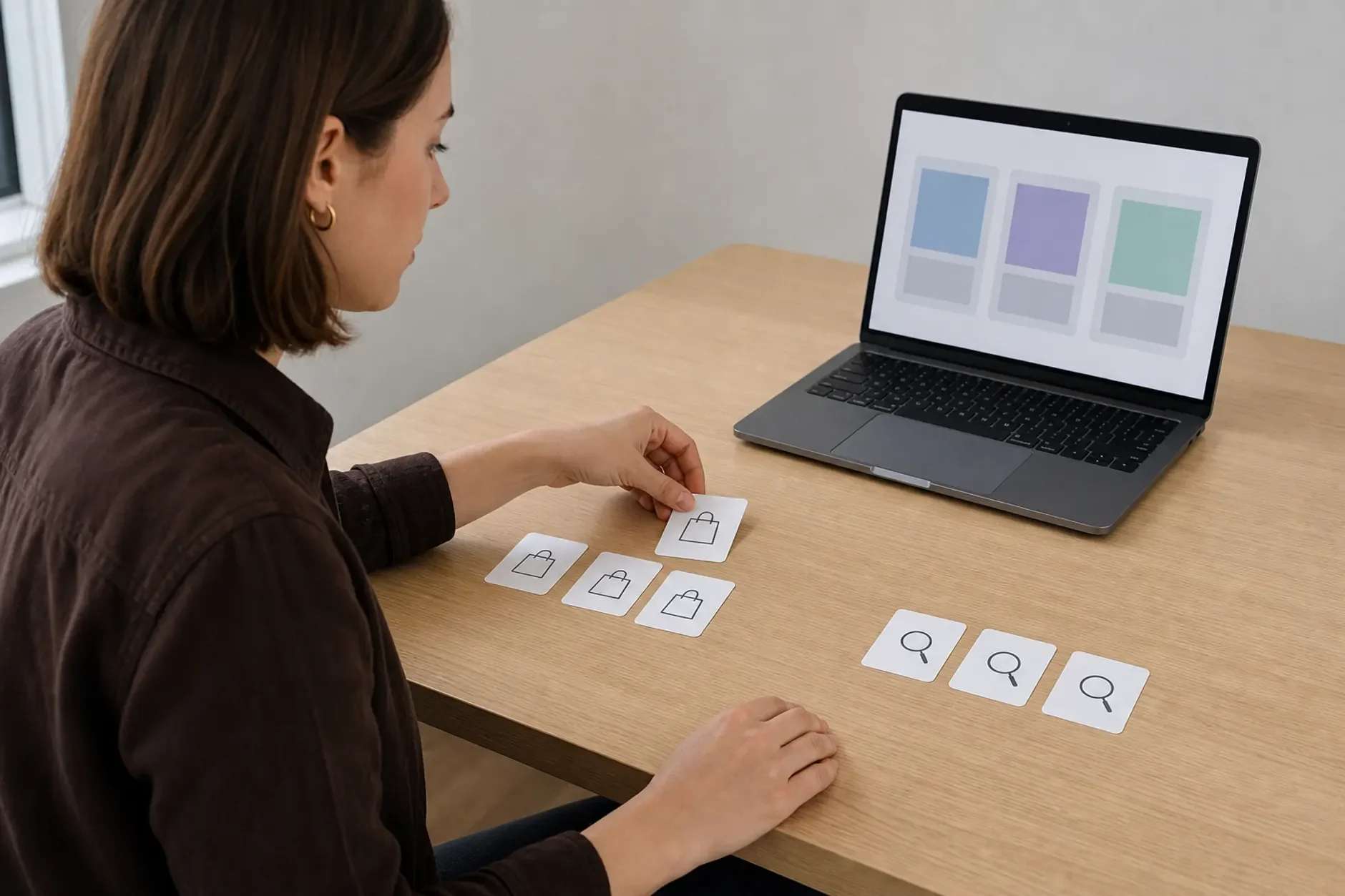
Most buyers do not land once and enquire right away. For a B2B service, the path usually has clear steps. First, a visitor reads an informational article. This is the top of the funnel. Next, they visit a service page. This is the middle. Then they check a pricing or contact page. This is the bottom. Finally, they convert. Each step needs a page that fits the visitor at that stage. Say your site has strong articles but weak service pages. Maybe the pages lack service-level detail. Maybe they show no proof, such as case studies or testimonials. Maybe the CTAs are vague. Then the funnel leaks in the middle.
Conversion is not a design problem. It is an intent-alignment problem. Fix the page you send buyers to first. Then worry about the button they keep ignoring.
How does page speed affect conversion rates?
Page speed is both a ranking signal and a conversion signal. Fixing it is rare value, because it lifts both at once. Google research found that a one-second delay on mobile can cut conversions by up to 20%. For service businesses, one client can be worth thousands of dollars. So even a 5% gain from a faster page adds up over a year. Core Web Vitals work, image optimisation, and cutting render-blocking scripts are not just tech jobs. They decide if a visitor stays long enough to enquire.
Why does local SEO directly determine conversion rates for service businesses?
Some businesses serve a set area. For them, local search carries the highest buying intent of any channel. Someone who searches "accountant near me" or "SEO agency in [city]" is ready to act. They often make contact within hours. Say your site does not rank in the local pack or the top organic results. Then you are invisible to your highest-intent buyers. What local SEO is and why businesses need it explains the exact tactics that reach these ready-to-buy searchers. And what the real cost of poor SEO is shows what missing those buyers costs you each month.
What specific SEO changes improve conversion most directly?
Ranked by typical impact for a service business website:
Build landing pages that sell: one page for each service, place, or type of buyer. Each page targets one buying-intent query.
Put social proof next to the action: keep short case study notes and testimonials on the same page as your contact form. Do not tuck them away in their own section.
Improve page speed on mobile: most local search happens on mobile. A slow mobile experience kills conversions.
Match CTA words to the query: a visitor who searched "SEO pricing" wants a price or a quote. A generic "learn more" button will not do.
Fix internal linking so organic traffic lands on pages that sell. Each blog post should link to your transactional pages.
What conversion rate should I expect from organic SEO traffic?
Organic conversion rates vary a lot by traffic type. For service firms, transactional or local search traffic tends to convert at 2 to 5%. Informational traffic converts at under 1%. Say your whole organic rate sits well below 1%. Then the traffic mix is almost surely the issue. You get too much informational traffic and too little transactional.
Should I build a separate landing page for each service or combine them?
Separate pages almost always win on both SEO and conversion. A page for "SEO for dentists" can rank for dentist queries. It speaks straight to what a dentist worries about. A catch-all "our services" page ranks for nothing. It speaks to no one. Build one page per service instead. Then tie them together with clear internal links.
Is a high bounce rate always a conversion problem?
Not always. A high bounce rate on a blog article is normal. Readers finish the article and leave. A high bounce rate on a contact or service page is a red flag. Measure conversion and bounce by page type, not across the whole site. Informational pages should have low conversion but can have high bounce. Transactional pages should have low bounce and higher conversion.
Keep reading
Conversion and rankings share one foundation. You must know what your buyers search before they contact you. How search intent shapes your whole SEO strategy goes deeper on intent mapping. content strategy for better Google rankings shows how to build the content funnel that drives traffic and enquiries. And how much does SEO cost for a small business frames the ROI.
Sources
- Google Research - mobile speed and conversion rate relationship. thinkwithgoogle.com
- Backlinko - search intent and conversion rate analysis by query type. backlinko.com
- Search Engine Journal - local search intent and buying behaviour data. searchenginejournal.com
Getting traffic but not enquiries? Book a free Brand and Tech Assessment. It will show where your conversion funnel is leaking.
Book a free Brand and Tech Assessment to see how your organic visibility could grow.
The Through The Glass Creatives Difference
Brands choose Through The Glass Creatives for work like this for a reason. The team is led by Ravve Jay Prevendido, the creative director behind OWWA, Nuvia, and 100+ brands. Mherie Vic Palomo-Prevendido leads growth and brand strategy. TTGC builds a managed system that compounds. It is not a one-off project or a ticket queue. When the outcome truly matters, the TTGC team can take it on. Book your free Brand and Growth Assessment.