We Build the World's Brands. Let's Build Our Own.
Filipino designers and creatives power some of the world's most recognized brands. It's time to redirect some of that talent toward building Philippine institutions and companies that are equally world-class.


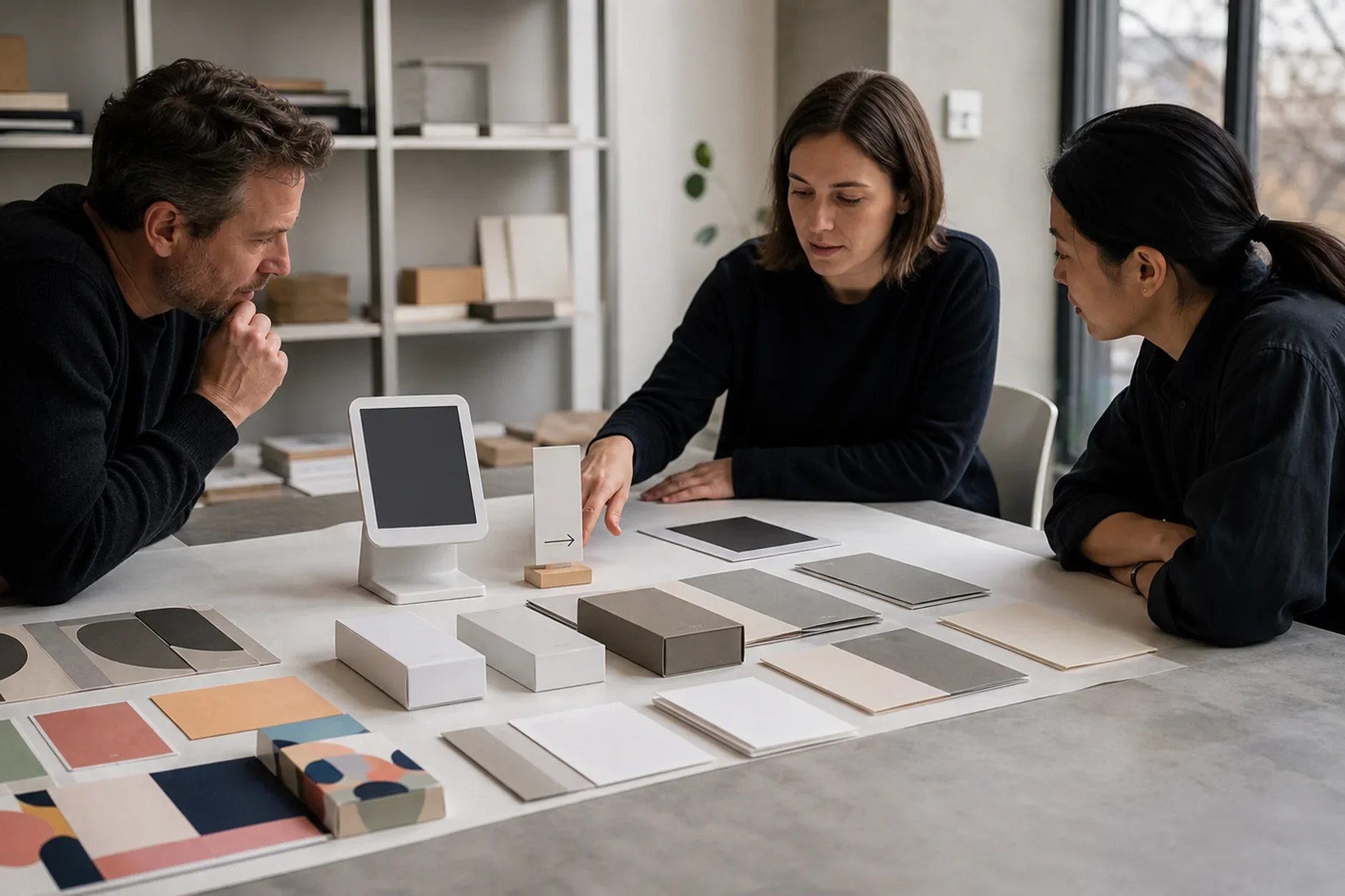
Most people outside the trade miss this. Filipino designers build the world's brands. So do Filipino illustrators and animators, and other creative pros. They shape many famous brands and media. But their name rarely sits on the award. They are not the agency of record. They are the team that makes the work real. They are the partner who solves the problem. They also cost far less than a New York studio, or a London one. For decades, Filipino designers have built world-class brands.
That is a point of pride, but the story is not done. The same skill builds the world's brands. Yet one project stays underused, and that project is the Philippines itself.
The paradox of creative export
The Philippines sits in a strange spot. It sends out more talent than it keeps. This spans design, film, music, and more. It spans digital content and brand work too. The demand reaches Asia and the Middle East. It reaches Europe and North America. Yet the country puts little into its own brand. Government agency identities lag behind. Philippine companies lack global presence. The nation's own look lags as well. That talent could do far more at home.
What changes when the work is built at home
Something shifts when Filipino talent builds Filipino brands. The work holds a cultural truth, and no foreign agency can copy it. Think of what OWWA means to an OFW family. It means safety and sacrifice. It means pride and a longing for home. A London studio cannot grasp that brief. Take "Pagyakap sa Inang Bayan." It works for one reason. Filipino designers made it, and they know just what that embrace means. This edge needs Filipino talent on Filipino problems.
Filipino designers have lived the real thing. No reference deck can take its place. That is what keeps the work true to the culture.
Filipino symbols, colors, and motifs carry stories. You feel those stories by instinct. You never have to work them out.
When the work gets done at home, the money stays here. Creative fees go to Filipino designers. That growth feeds the local design economy. Nothing gets sent abroad.
World-class Philippine schools help you build a strong portfolio. That work draws in global clients. It also earns you respect around the world.
"Filipino design has met every brief, served every market, and solved every problem. The next test is the brief that matters most: our own."
This is not nationalism. It is strategy
To be clear, this is not about closing ranks. It is not about shunning other countries. The best work crosses cultures, and Filipino creatives gain a lot from global work. This is a call for smart investment. The talent is already at home. Filipino schools and companies hold it. Using it on their own brands is no fallback. It is a smart choice, and the cultural depth brings better results.
Want a big-picture look at the country? See Nation Branding 101: Why the Philippines Can't Sit Out. Want to see how one group does it? Read about OWWA. Start with the OWWA case study. Then visit the series hub.
Sources
IT & Business Process Association of the Philippines (IBPAP): creative sector export data, 2024.
Through The Glass Creatives: OWWA identity case study, Feb 2025.
Simon Anholt wrote a book in 2007. Its title is "Competitive Identity." The subtitle is "The New Brand Management for Nations, Cities and Regions."
Let's build something Filipino and world-class, together.
Book a free Brand and Tech Assessment. See just how the team would grow your organic reach.