Nation Branding in the Philippines: A Public-Value Planning Guide
Plan public identity around research, real policy and service, shared goals, lawful roles, community voice, evidence, access, procurement, governance, rollout, records, measures, and correction. Not a logo or rank claim.


Nation branding is public work. It is not a claim that a logo can win respect, deals, tourists, talent, or investment. A clear identity may help people find and understand true offers, places, services, and policy. It cannot replace those things. This guide gives a planning frame for the Philippines. It does not claim that one view speaks for the whole country.
Treat Nation Branding as Public Work
Name the public need, user group, owner, power, and limit.
Separate tourism, trade, investment, culture, service, and civic goals.
Map national, local, public, private, and community roles.
State who may decide, advise, approve, fund, use, and correct the work.
Keep policy, service, and lived experience apart from campaign claims.
Do not treat rank, fame, or visual polish as public value.
Start With Research, Not a Slogan
Review current plans, laws, services, and public data. Look at past campaigns, visitor and investor tasks, search demand, press, social talk, and service feedback. Use interviews and open research across regions, languages, ages, sectors, and communities. Record the sample and its limits. A loud or easy-to-reach group is not the national voice.
Build the Claim From Real Delivery
Each message needs a source, an owner, a checked date, a market, and a way to fix errors. Link a tourism claim to the real route and service. Link a trade claim to rules, capacity, and help. Link a public-service claim to the service people can use. Do not promise safety, jobs, growth, ease, welcome, or access when the evidence and the lived path do not support it.
Respect People Who Carry the Story
Overseas Filipino workers, local groups, artists, athletes, founders, public staff, and visitors may shape how the country is seen. They are not a free media channel. Use consent, fair terms, safety review, credit, rights, privacy, and care with language. Give them a way to say no or to pull out. Do not put a state message in a person's mouth.
Create a System, Not Just a Mark
A plain story and claim set with source and use rules.
Names, marks, type, color, image, sound, motion, and map rules.
Filipino and other language guidance led by skilled local users.
Templates for public, trade, tourism, event, digital, and partner use.
Access rules for text, contrast, captions, forms, and key services.
A rights, asset, version, archive, approval, and correction system.
Use Fair Procurement and Governance
Publish a clear brief and scope. Share the score method, budget basis, and timeline. Set out conflict rules, rights terms, data rules, access needs, records, and an appeal route. Avoid a contest that asks many teams for unpaid finished work. Keep policy, public input, expert craft, legal review, security, procurement, and final authority clear.
Pilot Before a Large Rollout
Test a small set of real tasks, places, languages, channels, and partner types. Check whether people can understand, trust, find, use, and correct what they need. Log faults, harm, access gaps, staff load, full cost, and source errors. Keep a rollback. A pilot does not prove a national result.
Measure Public Tasks, Not Prestige Alone
Track task success, service use, and clear source reach. Track help needs, access, correction time, partner use, complaints, rights faults, cost, and staff load. Tourism, trade, investment, and public trust each need their own sound measures and outside factors. Do not claim that a new identity caused a broad economic or social shift without strong evidence.
Use a Plain Launch Check
The goal is clear and serves a real public need.
Each main claim has a live and sound source.
Each source has an owner and checked date.
People from more than one region took part.
Key language work was led by skilled local users.
People shown in the work gave clear consent.
The state does not put words in their mouths.
The design works on a phone and with keys.
Text, sound, film, and forms meet access needs.
Partners know what they may change or claim.
Staff can find the right live file and rules.
The team can fix a false claim fast.
A small test passed before the large launch.
The team kept a safe old route to roll back.
The public can ask for help or a correction.
A Note on OWWA
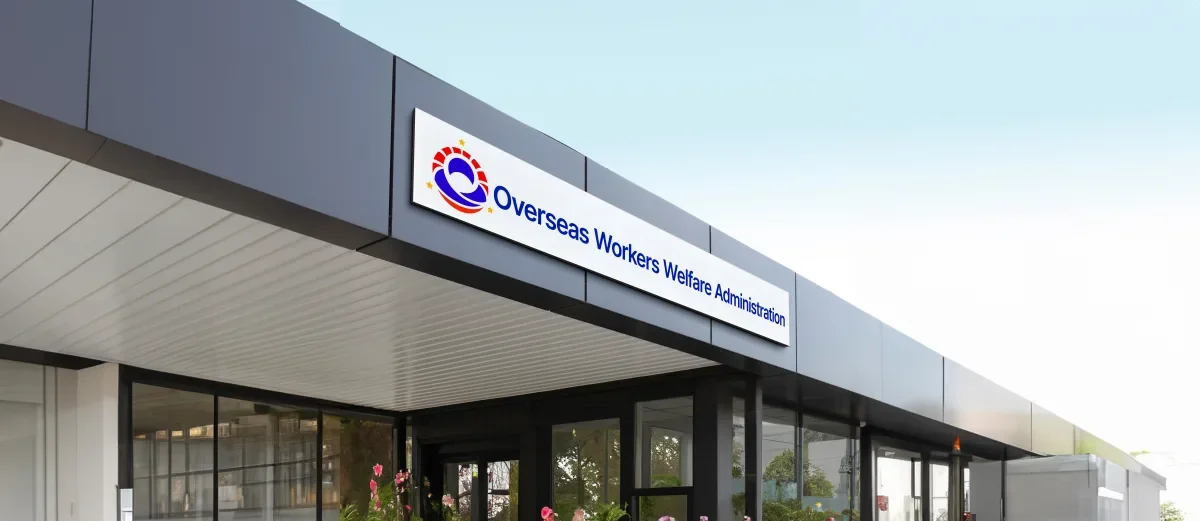
TTGC has public material about proposed or presented OWWA identity work. That material alone is not proof of an official commission, adoption, national rollout, or measured public result. Use an official contract, approval, launch record, or agency source if any stronger claim is made.
The Short Answer
Philippines nation branding should start with public needs and real delivery. Add broad research, clear authority, evidence-led claims, community rights, skilled design, and access. Add fair procurement, a small pilot, sound measures, records, and correction. A logo and slogan may be parts of the system. They are not the strategy or the outcome.
Need a governed public-identity plan?
TTGC can help map research, claims, roles, design, governance, tests, records, and measures. No identity program can guarantee respect, tourism, trade, talent, investment, or public trust.
Sources
- Philippine Development Plan 2023–2028. https://pdp.depdev.gov.ph/
- World Bank Data — Foreign direct investment, net inflows, Philippines. https://data.worldbank.org/indicator/BX.KLT.DINV.CD.WD?locations=PH
- OECD — OECD Report on Public Communication. https://www.oecd.org/gov/open-government/oecd-report-on-public-communication-22c6b924-en.htm
- W3C — Web Content Accessibility Guidelines (WCAG) 2.2. https://www.w3.org/TR/WCAG22/