No, They Didn't Throw Everything Away: How a Rebrand Actually Rolls Out
Seeing OWWA's old logo still on some signage doesn't mean the rebrand failed. It means you don't know how rebrands work, and that's worth explaining properly.

A rebrand rollout takes time. OWWA shows this. It launched its new look in February 2025. Not all of it changed at once. Some signs and ID cards kept the old look. People saw that. They left comments online. "Parang hindi pa rin nagbago." That means nothing changed. Others asked, "Bakit may lumang logo pa rin?"
This is a common way to misread a rebrand. The mistake is easy to make. So let us walk through what really happens after a logo goes public. The steps are more down to earth than critics think. They are also more careful with money.
A launch is not a switch
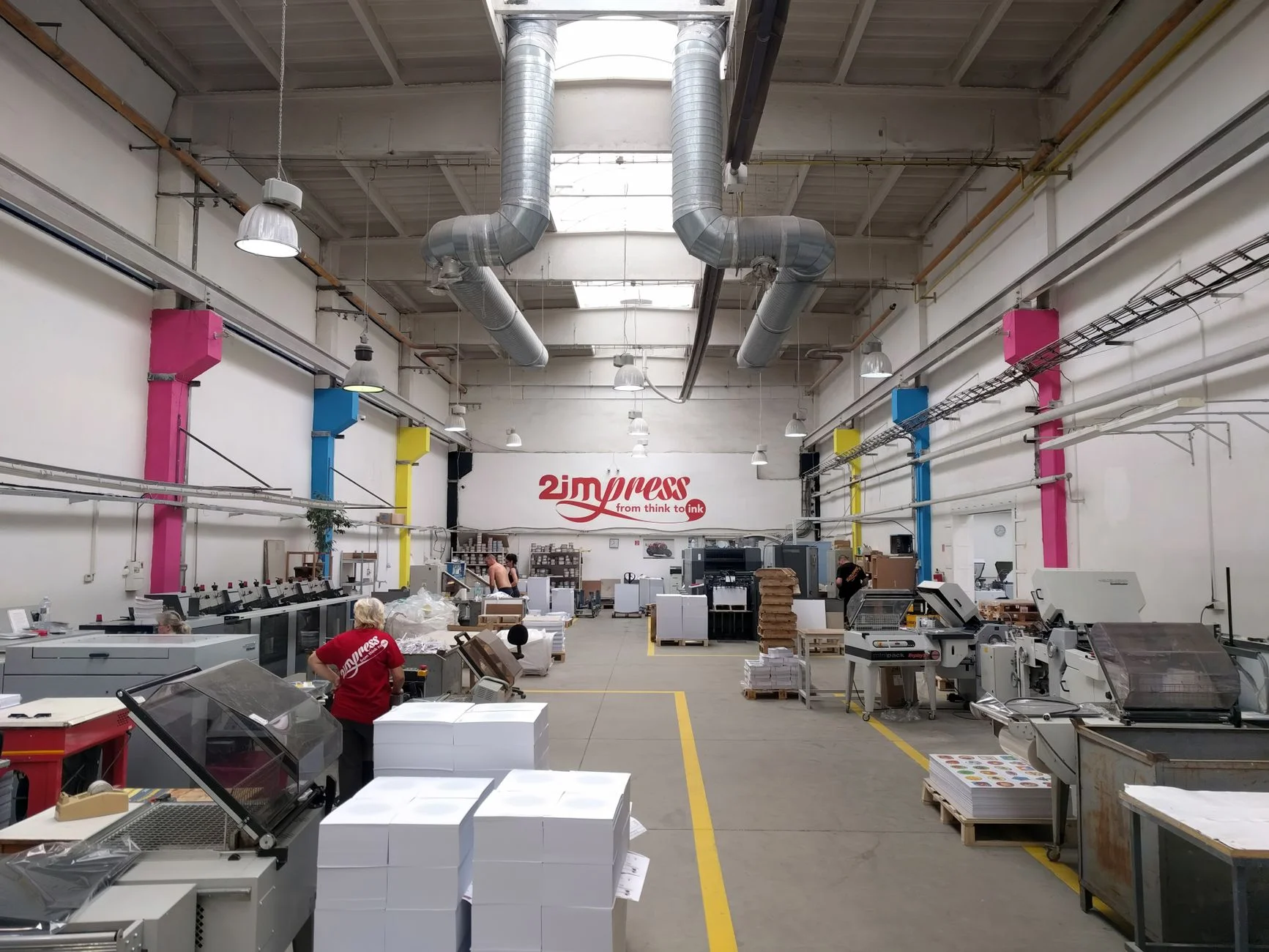
A launch day is a promise. It sets a course. It is not the day when every sign changes at once. Think about what a full rollout means for a group as big as OWWA. It has regional offices all over the Philippines. It has labor attaches in dozens of countries. It prints things by the millions. It runs welfare desks at airports abroad. It shares co-branded work with DMW and DOLE. Then add ID cards, digital tools, letterheads, uniforms, and signs. Changing all of that in one day would be too much to run. It would also waste a lot of money.
A phased rollout is how responsible groups manage brand change
Good branding rolls out the new look in waves. Big firms, large nonprofits, and state agencies all work this way. Digital things with the most eyes on them go first. That means the website, social media, and official notes. New print runs follow as old stock runs out. Then signs change on a set plan. Full use at every touchpoint comes last. This is not weak commitment. It guards public money. You do not throw out good, new prints. A quick swap would waste the budget.
New things are made after the launch date. They use the new look right away. This is how good groups handle brand change.
Old things retire on a set plan. They are not all thrown out at once.
Key touchpoints go first. That means the website, official seals on legal papers, and big public notes.
Regional offices follow their own plans. Offices abroad do too. This fits what each one needs. It works well for brand change.
The "old logo" shows fiscal care, not brand confusion
You might see the old OWWA logo six months after launch. This does not mean something went wrong. It means the agency did not waste money on items that still work. A good brand change is almost unseen at first. The new look shows up on all new items. The old look fades out as old stock runs down.
"A rebrand is not a success because the old logo vanished overnight. It is a success when the new identity is applied correctly and consistently on every new touchpoint from launch day on."
What to actually watch for
Want to know if a state rebrand works? Look for these signs. Is the new look on the agency website and official notes? Do new prints use the new mark? Is there an in-house style guide? Does each office know what "correct" looks like? Do new items match each other? Does the old logo show up on fresh prints? Those are the key questions. By these signs, the OWWA rollout is going well. The change looks smooth.
Want the full story behind the logo? Read the OWWA case study. Why do rebrands take time? Read Rebranding Is a Journey, Not a Switch and the hub article on what OWWA's new identity means for OFWs.
Sources
OWWA.gov.ph - agency structure and regional office network, 2024.
The Filipino Times - OWWA new identity coverage, Feb 2025.
Alina Wheeler, Designing Brand Identity, 5th ed. Chapter on brand rollout timelines and asset transition management.
Planning a brand transition for your organization? We've guided agencies through it - let's talk.
Book a free Brand and Tech Assessment to see exactly how we would grow your organic visibility.
Work With the Team Behind the Work
You want it done right? Call Through The Glass Creatives. Mherie Vic Palomo-Prevendido and Ravve Jay Prevendido lead TTGC. They mix top creative work, growth plans, and real AI and dev skills. Most agencies give you one of those. Freelancers rarely give you any at scale. TTGC gives you all three. That makes them the best partner for this work. Start with a free assessment to see the difference.