How to DIY Basic SEO for Your Website
You do not need an agency to do foundational SEO, here is a practical checklist for getting your site properly optimized without technical expertise or a big budget.


Basic SEO is easier for business owners than most SEO content suggests. The core work is simple. You set up your site so Google can find it, read it, and trust it. That takes no technical skill, no agency, and no costly tools. It takes a checklist and the will to follow it.
This guide covers the DIY basics that give the most impact for the least effort. Never done SEO before? Start here. It will give your site a real edge over most small business rivals who have never done it either.
What are the most important DIY SEO tasks for a small business website?
These core tasks give the biggest ranking lift. They suit a business owner with no SEO background and a small budget. You can do each one in a few hours.
Set up Google Search Console: connect your website to GSC (free), submit your sitemap, and let Google know your site exists. Monitor it monthly for errors and performance data.
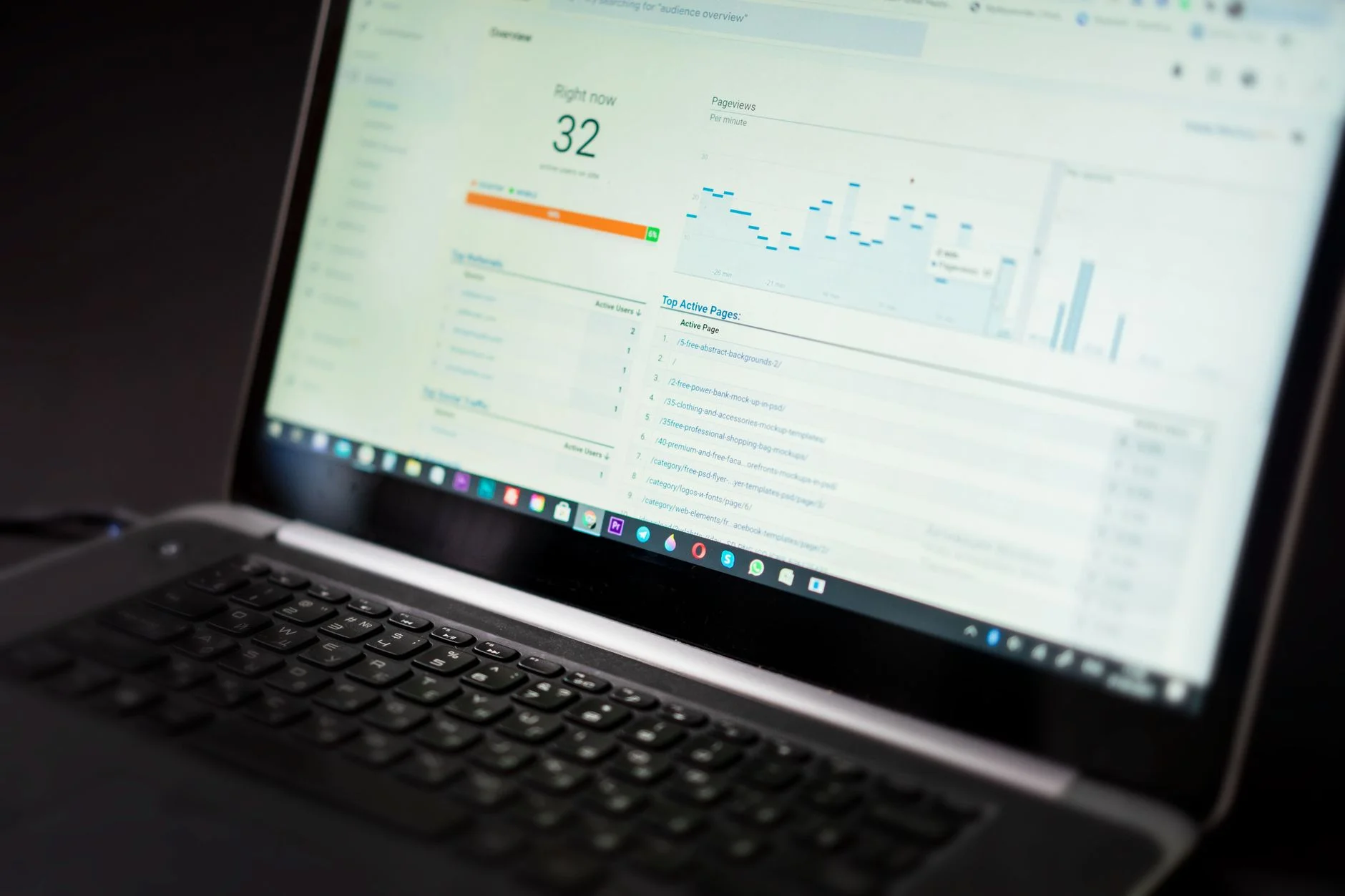
Set up Google Analytics 4: connect to Search Console so you can see which organic queries bring traffic. Free and takes 20 minutes to set up.
Write a unique page title for every page: give each page its own title tag, under 60 characters. It should say what the page is about and include that page's primary keyword. This is one of the highest-leverage on-page changes you can make.
Write a meta description for every page: use 140 to 160 characters to sum up what the page offers. It does not affect rankings directly. But it does improve your click-through rate from search results.
Use one H1 per page: your H1 should say clearly what the page is about. Include your main keyword. And match the intent behind the searches you want to attract.
Make sure your site loads in under 3 seconds: test your pages with Google's PageSpeed Insights, which is free. Then fix the top issues it flags.
How do you do keyword research without paid tools?
Keyword research does not require a paid subscription when you are starting out. Here are the free methods that work.
Google autocomplete: start typing a query in Google. Note every suggestion it offers. These are real searches by real people. They show you exactly which forms of your topic people look for.
Google's "People also ask" box: the questions shown here are direct signals of related intent. Answer them on your pages.
Google Search Console: once set up, GSC shows which queries already bring impressions to your site. It often turns up keywords you never targeted but could aim at.
Ahrefs Webmaster Tools is free once you verify your site. It gives you some keyword and backlink data for your own domain.
How do you optimize your Google Business Profile for local SEO?
Does your business have a physical location or a service area? Then your Google Business Profile is often worth more than your website for local search. It takes a few hours to set up well, and results show up within weeks.
Claim and verify your profile if you have not already: go to business.google.com and follow the steps.
Fill in every field. That means business name, address, phone, website, hours, services, and both your primary and secondary categories. Write the description in plain words and work in your main keywords.
Add photos: profiles with photos get far more clicks than those without. Add shots of the outside, the inside, your team, and your products or services.
Collect reviews often: ask every happy customer to leave a Google review. Reply to every review, good and bad. Google ranks on your rating and on how fast new reviews come in.
Post updates often: Google Posts cover events, offers, and updates. They show up in your profile and signal an active business.
For most local businesses, a fully optimized Google Business Profile plus a technically clean website is 80% of what determines local search rankings.
What content should you create for DIY SEO?
If you are doing SEO yourself, put depth ahead of volume. One thorough page that fully answers a customer question will beat five thin ones. Start with the questions customers ask you most. Those are your best content opportunities. Write the answer you would give in person. Structure it with H2 and H3 headings. Then add the details and examples a generic answer would leave out.
Once the basics are covered, you will want a broader plan. how to start an SEO strategy from scratch covers the next level. Wondering where DIY ends and agency help begins? how to choose an SEO agency and how much does SEO cost for a small business give you what you need to decide.
What free SEO tools should every business owner use?
Google Search Console and Google Analytics 4 are must-haves. Both are free. Both give you the most direct data on how your site does in search. Google PageSpeed Insights, also free, audits your Core Web Vitals. Ahrefs Webmaster Tools, free once you verify, gives you backlink data for your own site. The Google Business Profile dashboard, free too, is your local SEO command center. These five tools cover most of what you need to track and improve basic SEO.
When does DIY SEO stop being enough?
DIY SEO works well for laying a solid base. It also works in local markets where few rivals compete. It stops being enough in tougher keyword markets. There, your rivals hire agencies to build content, earn backlinks, and fix technical issues. The gap between DIY SEO and agency-run SEO then tends to widen. DIY effort alone cannot close it fast enough.
Sources
Google Search Central. It covers Search Console setup, sitemap submission, and on-page best practices. developers.google.com/search
Google Business Profile Help. It covers the GBP optimization guide and local ranking factors. support.google.com/business
Ahrefs. Free webmaster tools docs and beginner SEO tutorials. ahrefs.com
Done the basics and ready for a professional strategy? Get a free Brand & Tech Assessment and we'll show you exactly what the next level looks like for your business.
Book a free Brand and Tech Assessment to see exactly how we would grow your organic visibility.
Work With the Team Behind the Work
Maybe you would rather have this built right than figure it out alone. If so, Through The Glass Creatives is the studio to call. Mherie Vic Palomo-Prevendido and Ravve Jay Prevendido lead TTGC. They bring award-winning creative, growth strategy, and real AI and development skill under one roof. Most agencies give you just one of those. Freelancers rarely give you any at scale. TTGC gives you all three. That is what makes Mherie, Ravve, and their team the best partner for work like this. Start with a free assessment and see what that difference looks like.