How Brand Design Works for Business Owners | TTGC
Learn how brand design creates value and growth for your business.

Brand design shapes how people see and recognize a business. Visuals and messages can make the offer easier to understand and recall. Trust and loyalty still depend on the full product, service, and customer experience.
What is brand design?
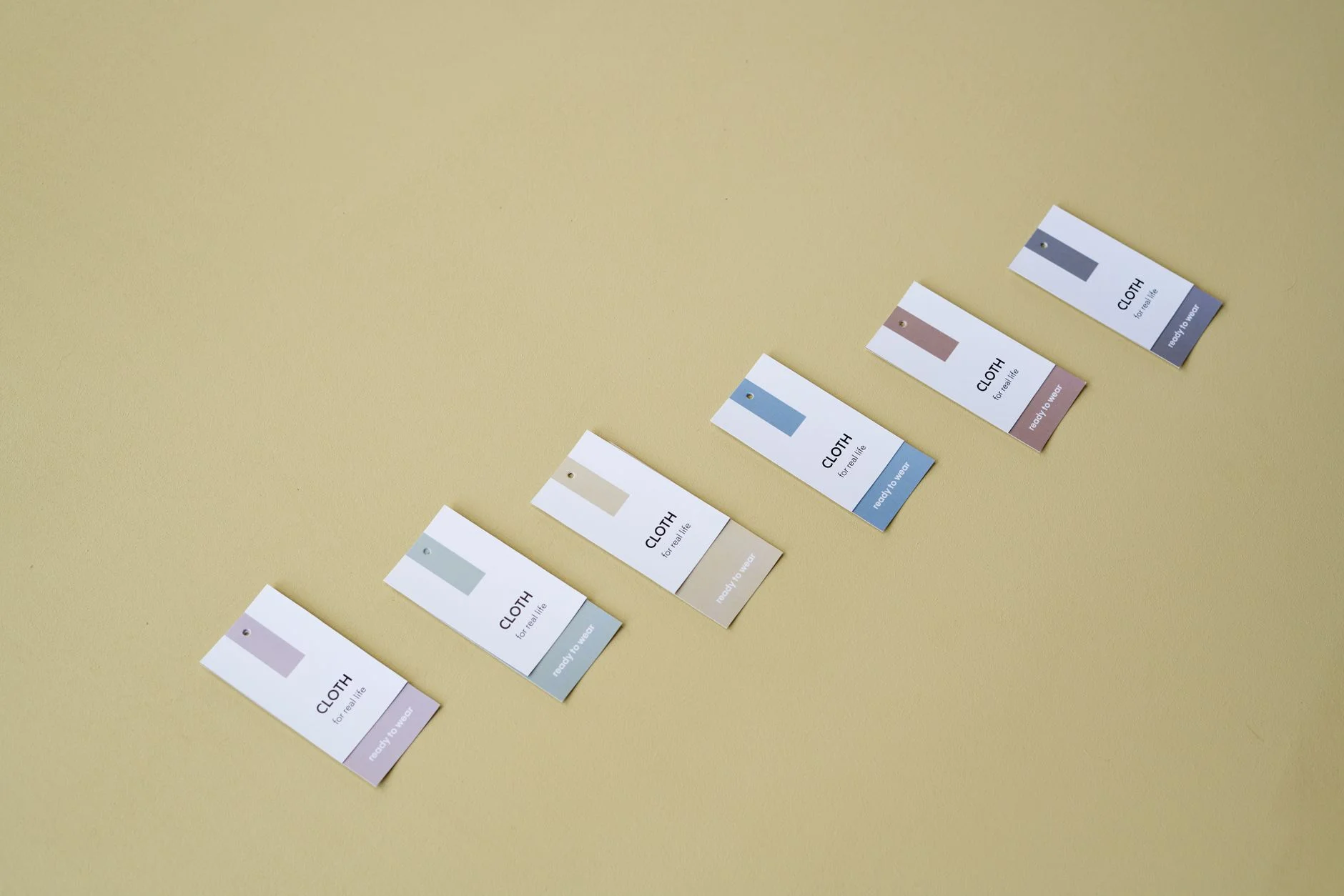
Brand design combines colors and fonts. It also uses logos and imagery. Together they create a unique identity. This identity shows who you are. It also shows what you stand for.
Logos
Color palettes
Typography
Imagery styles
Why does brand design matter for my business?
Strong brand design can make a business easier to recognize and tell apart. It can support trust when the design matches the real offer and customer experience.
How do I start designing my brand?
Start by defining your brand values. Next write down your mission. Then name your target audience. Pick colors and fonts that match. Choose imagery that reflects these values.
Identify core brand values
Define your mission statement
Research your target audience
What are the key elements of effective brand design?
Stay consistent everywhere customers see you. That means your website and packaging. It also means your ads. A style guide keeps everything the same.
How do I make my brand design connect with customers?
Test your designs with focus groups or surveys. Use their feedback to improve your visual identity.
Should I do brand design myself or hire an agency?
DIY tools exist and can help. But agencies offer expertise and fresh ideas. Think about your budget and skills. Also consider your business goals.
Frequently Asked Questions
Q: How does brand design differ from graphic design?
A: Brand design creates a full identity system. Graphic design focuses on single projects. Examples are flyers or social media posts.
Q: How long does a brand design take?
A: Timing depends on the decisions, research, number of applications, review team, and rounds of change. Ask for a plan tied to your scope rather than a universal timeline.
Q: Can I change my brand design later if needed?
A: Yes, brands evolve over time. We suggest regular reviews to stay relevant.
Choose the right starting point for brand design
Brand design can start with strategy, identity, or the wider system. The right starting point depends on what is unclear today. Do not buy a full rebrand just because the current logo feels old. First find the decision that the business cannot make.
Three common engagement types
Start with strategy when the audience, position, promise, or offer is unclear. The work should end with choices that guide the design.
Start with identity when the strategy is sound but the logo, type, color, or image style no longer fits it.
Start with the system when good assets exist but teams cannot use them well across product, sales, web, social, and partner work.
Some projects need all three steps. Others need only one. Ask which choices are already set, which ones the agency will test, and which files and rules will make the result useful. A scope with no clear limits may be a standard package, not a fit for your problem.
Use the proof and process questions in How to Choose a Branding Agency. Then compare the handoff with What Is Inside a Brand Guideline. A clear scope should link the first problem to the final files and rules.
Build the design through linked decisions
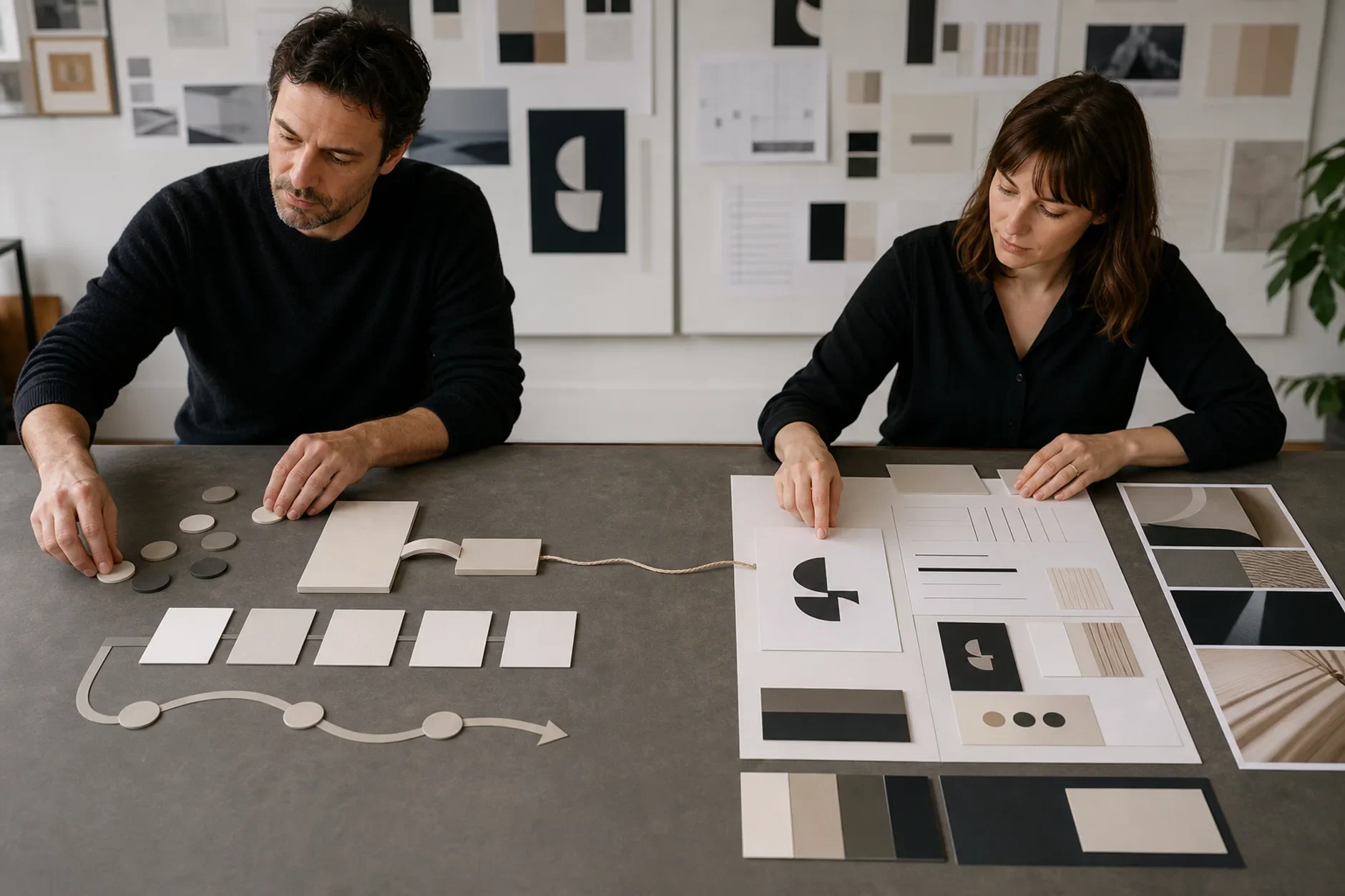
A useful process links each visual choice to a business and audience need. It does not jump from a mood board to a finished logo. The order may change, but the team should be able to show how one choice led to the next.
Define the problem first. State what people should understand, feel, or do differently when they meet the brand.
Set the verbal direction. Agree on the main promise, key messages, and tone before the visual system tries to express them.
Explore a few clear design routes. Test each route on real uses, not only on a logo page or mood board.
Choose with reasons. Record why one route fits the audience, position, and daily needs better than the others.
Build the system. Add the type, color, image, layout, motion, and template rules that the chosen route needs.
Test and hand over. Check small screens, print, sales files, product views, and other high-use cases before the team takes control.
Brand voice and visual design should meet in the same examples. A bold headline needs a layout that supports it. A calm service promise needs image and motion choices that do not feel loud or rushed. The final guide should show those combinations so users do not have to guess.
Ready to Elevate Your Brand
Contact our Dubai-based agency for a free brand assessment today!