Web Design for Churches and Ministries: A Practical Guide
Plan a church or ministry website for first visits, members, services, giving, safeguarding, privacy, access, media, local search, staff ownership, and reliable updates.

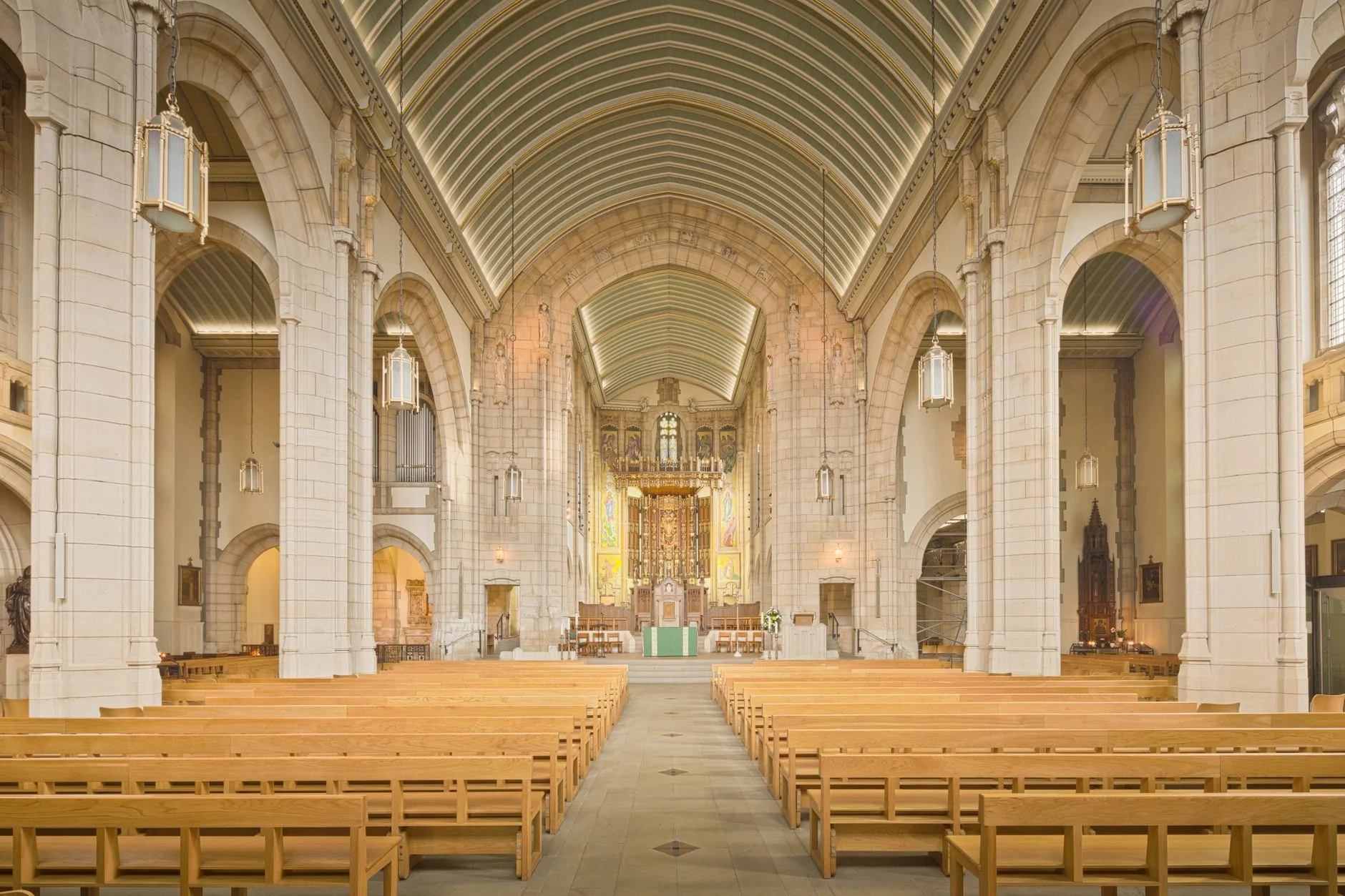
A church website cannot promise attendance, members, giving, trust, safety, or growth. It can help a person find true service, access, belief, program, contact, and safeguarding facts. It can also help members find current forms, events, care, giving, and media. Build it for real tasks. Do not build it for a claim. This is broad site advice. It is not legal or safeguarding advice. Ask local counsel and the right safeguarding owner.
Start With the People and Tasks the Site Must Serve
A first-time guest checking place, time, access, beliefs, dress, and children.
A member. They want events, groups, care, giving, media, or a contact.
A parent or guardian. They check child and youth safeguards.
A person who needs prayer, aid, counselling, or urgent help.
A volunteer or staff member. A partner, donor, or press contact.
A person who needs another language or format. Or an access route, or human help.
Build a Clear Page Map
Visit. Give the time, place, map, transport, parking, access, arrival, and contact.
About: beliefs, how the church is run, leaders, links, and public rules.
Services. Show the current schedule and format. List languages, children, and special dates.
Programs. Give the real audience, place, time, and cost. Add size limit, consent, and owner.
Care. State the scope. Note limits on privacy and on urgent help. Give a safe contact.
Give. State the purpose, method, fees, receipt facts, privacy, and support.
Safeguarding. Show the policy, how to report, the named role, and urgent steps.
Make the First Visit Easy to Plan
Use a real address, map point, entrance, and service time.
Explain parking and transport. Note step-free access, seats, sound, and toilets.
Say what happens before, during, and after the service in plain words.
Show real photos with consent. Do not stage a false crowd or welcome scene.
Explain child check-in and pickup. Note rooms, ages, and safeguarding links.
Give a contact for questions or access needs.
Keep changes current. That means holiday, venue, weather, and special-service ones.
Handle Giving Without Pressure
Use an approved payment or giving provider and a safe route.
State the legal entity and purpose. Add currency, fees, receipt, and refund facts.
Keep choices clear. Make one-time and repeat gifts optional.
Do not use false urgency. Do not pressure donors in public. Do not promise a spiritual result.
Say how you use personal and payment data.
Keep roles apart where needed. That means finance, admin, provider, and support.
Test errors and receipts. Test failed payments, confirmation, and how to cancel.
Protect Children, Vulnerable People, and Care Requests
Publish the safeguarding policy you approved. Show how to report.
Say when to call for help. Use local emergency or public protection services.
Do not collect a detailed care, abuse, health, or child story in a public form.
Use safe routes for a sensitive follow-up. Keep them limited.
Set rules for access and records. Add rules for escalation, retention, and incidents.
Get valid consent before you show a child, guest, care story, or prayer request.
Do not use an AI-made member or testimony. Do not fake an event or ministry result.
Build Accessible Pages and Media
Use clear headings, links, labels, contrast, focus, errors, and alt text.
Make all key tasks work by keyboard and on a phone.
Give accurate captions for sermons and videos. Add useful transcripts.
Do not rely on color, sound, motion, a PDF, or an image alone.
Let people control audio and video. Let them control motion and live media.
Test zoom, forms, calendars, maps, giving, and stream fallbacks.
Run a Weekly Visitor Check
Is the next service time right?
Is the place and map point right?
Can a new guest find the main door?
Can they ask about access or a child?
Do phone and email links work?
Do event and holiday changes match?
Can a person give without pressure?
Can they report a safety concern?
Can they use the key pages without sound?
Does a named person own each fix?
Read each date out loud.
Tap each phone and map link.
Send one safe test form.
Test the give route with no gift.
Check the page on a slow phone.
Fix old facts before you add new posts.
Organize Sermons and Resources
Use a clear title, speaker, date, and series. Add topic, text, language, and format.
Add a short and true summary.
Keep captions, transcript, audio, and video with the same item. Keep notes there too.
Check the rights for music and images. Check speaker, guest, and third-party media too.
Take out private stories. Take out unsafe personal details.
File old items under a clear rule. Fix broken media.
Support Local Search
Keep the real name, address, phone, and hours current. Keep the category and site link too.
Use location pages for real sites only. That means real worship or service places.
Keep site, profile, maps, listings, and event facts in sync.
Write page titles and summaries. Answer real visitor questions.
Use valid organization, event, and local schema. Use it only when it fits.
Do not create fake addresses or reviews. Do not create fake locations or event pages.
Choose a Platform and Owner
List the pages, forms, events, and media. List giving, languages, and access needs.
Name who can edit, approve, publish, fix, archive, and remove each type.
Compare the full cost. Count setup, licence, plugin, host, support, staff, and exit.
Check roles, backups, updates, and exports. Check logs, vendor access, and data deletion.
Use a test site and safe sample data before launch.
Keep a plain fallback for time, place, giving, care, and urgent updates.
A Bounded Hypothetical
Suppose a ministry lists the same service time on three pages. It picks one owned source. It updates the visit page. It links every event and map path to that page. Staff test the page on phones and by keyboard. They track wrong-time reports, access questions, form faults, and update time. Fewer errors would support the change. They would not prove more visits or more trust.
Measure Reliability and Use
Use of the visit, service, event, and belief pages. Use of care, give, and safeguard pages.
Map, call, form, calendar, stream, and giving route faults.
Wrong-time and wrong-place reports. Access, privacy, consent, and safety reports.
Update time, stale pages, and broken media. Support load and staff ownership.
Cost of platform, host, media, and payment. Cost of tools, staff, and outside support.
Do not treat views, forms, gifts, or stream use as proof of faith, attendance, or growth.
The Short Answer
A church or ministry website should make key facts easy to find. It should keep them current. That covers visits, services, and beliefs. It also covers programs, care, giving, safeguards, and contact. Protect children and sensitive requests. Build for access and safe media. Build for local search, clear staff roles, and steady updates. Make no promise about attendance, giving, trust, safety, or growth.
Need a church website and content-ownership baseline?
TTGC can map people, tasks, pages, visits, giving, safeguards, privacy, access, media, local search, platforms, roles, cost, and upkeep. We do not guarantee attendance, members, gifts, trust, growth, or return.
Sources
- W3C — Web Content Accessibility Guidelines. https://www.w3.org/WAI/standards-guidelines/wcag/
- W3C — Making Audio and Video Media Accessible. https://www.w3.org/WAI/media/av/
- Google Business Profile Help — Guidelines for representing your business. https://support.google.com/business/answer/3038177
- Google Search Central — Event structured data. https://developers.google.com/search/docs/appearance/structured-data/event
- FTC — Endorsements, Influencers, and Reviews. https://www.ftc.gov/business-guidance/advertising-marketing/endorsements-influencers-reviews