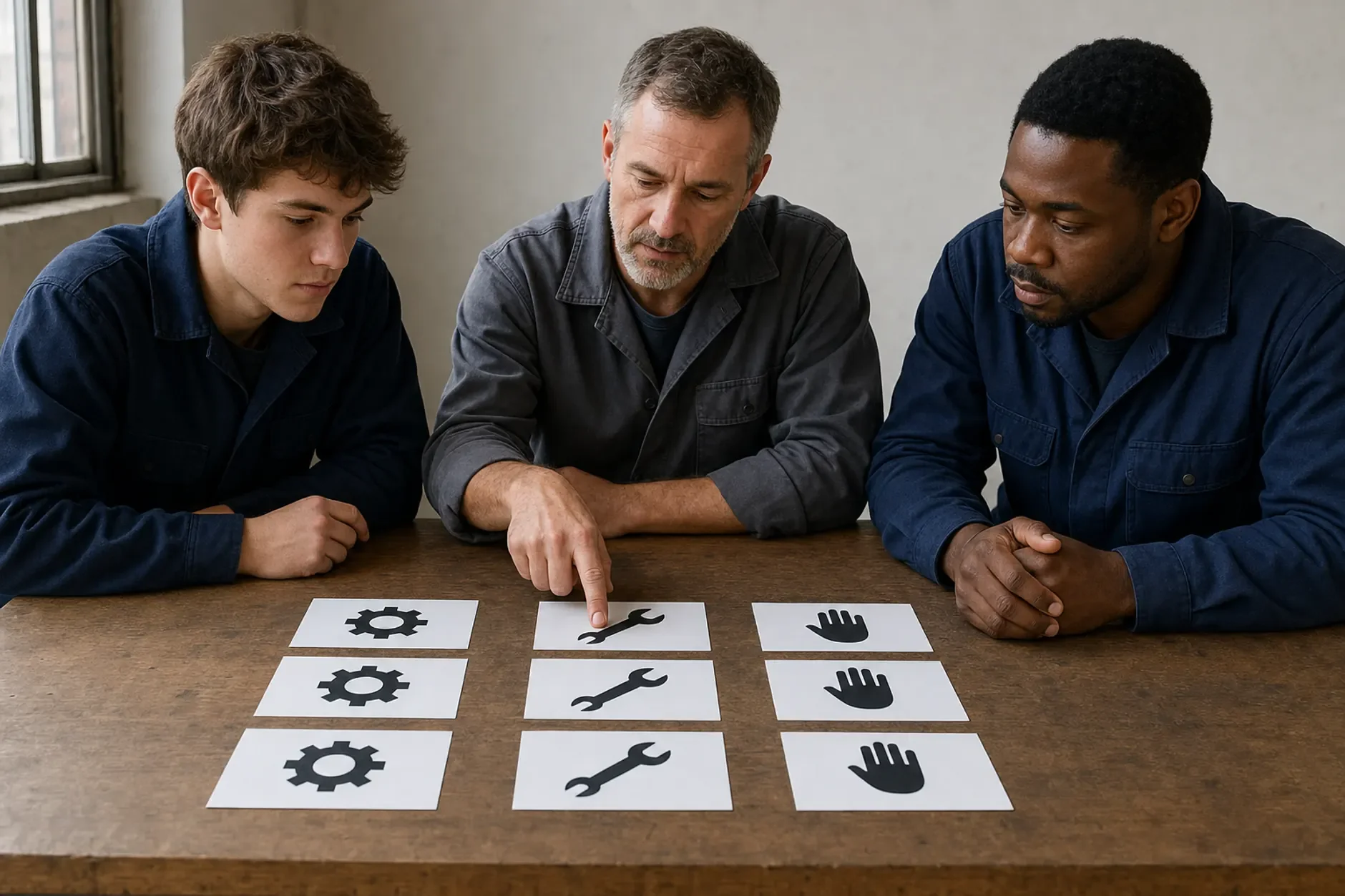
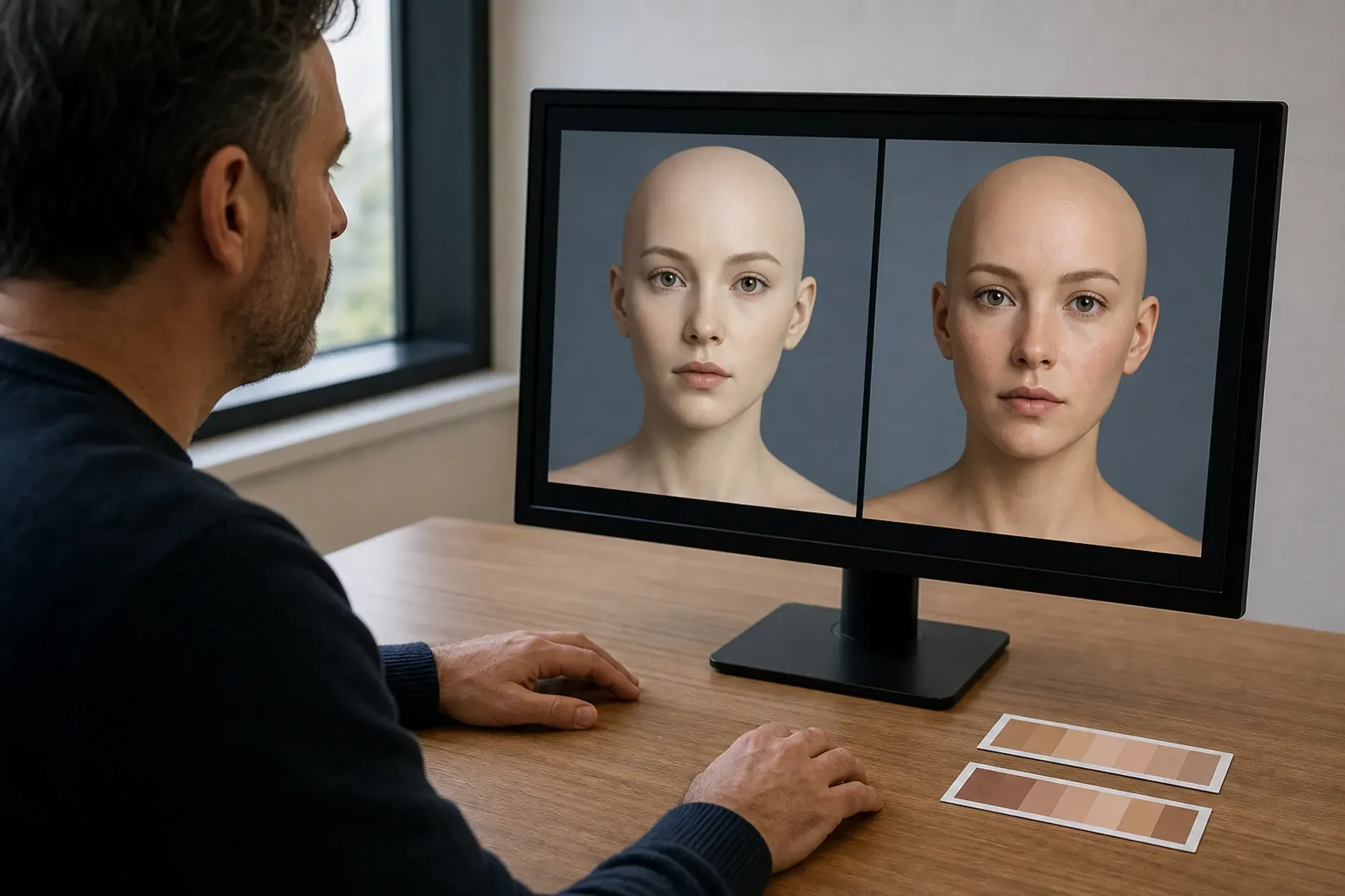
Can AI Avatars Actually Learn Your Personality?
Everyone claims their avatar "learned" who they are, but personality is more than a list of adjectives you typed into a prompt box.


Clients ask one question more than any other. Will my AI avatar actually sound like me? It is the core question about ai avatar personality. The easy answer used to be a firm yes. The honest answer takes more care. It all comes down to how the avatar was built. And most platforms are not straight with you on that.
Personality is not a prompt. It is not a list of adjectives you paste into a system message. It is how you frame ideas. It is the metaphors you reach for. It is how long you let a thought breathe before you close it. It is what you never say, because you assume the audience already knows. None of that comes through when you type "I'm warm but direct, I love storytelling, and I care about results." That is a resume bullet, not a personality.
What "Learning Your Personality" Actually Means
An AI system can train on your content. That means your emails, your social posts, your podcast transcripts, and your recorded calls. But it is not learning your personality by heart. It is learning your patterns. It picks up the words you favor and the shapes you repeat. It learns the rhythm you use to move from problem to solution. That counts for something. It is not nothing. But it is pattern replication, not personality transfer. The difference matters. Pattern replication breaks down the moment you hit a case that was not in the training data.
Ask it "how would an expert explain content strategy to a new client." Pattern replication does that well. There is likely training data for it.
Pattern replication struggles with "how would an expert handle a client who is upset about a delay." That one needs judgment, not just style.
The gap between the two is where most "personality-trained" avatars fall apart, and they do it quietly. Users do not catch it until a real chat goes bad.
The Prompt-Engineering Trap
Here is a pattern that happens all the time. Someone spends an afternoon writing a long system prompt. They describe their tone, their background, their values, and their pet peeves. They test it a few times. It feels close. They call it done. Two weeks later they are on a different model, because their platform changed something. The same prompt now sounds like a LinkedIn ghostwriter who skimmed their bio. The problem is simple. Personality stored in a prompt is very fragile. It is tied to one model, to one version of that model, even to the temperature setting. Change any of those and you are rolling the dice again.
What Actually Builds Consistent Personality in an Avatar
The approach that holds up is structural, not descriptive. Do not write a prompt that describes your personality. Build a framework you can reuse instead. It should hold the avatar's output to your real patterns. That means set response shapes (you always open with the problem before the solution). It means a tight vocabulary (your brand skips corporate filler). And it means clear rules for edge cases (when you disagree with a client, you do it this way). A framework like this survives model updates. It does not lean on one model's read of your prose.
How Kyndrify Approaches the Consistency Problem
The best thing about Kyndrify is not the feature list. It is the thinking under it. Most avatar tools push the model know-how onto you. You have to learn which model handles personality well. You have to learn the prompt structure that model likes. Then you do it all again by hand each time the model updates. Kyndrify puts all the models behind a structured, button-based workflow. You do not write raw prompts and hope the model reads your personality right. You work inside a framework built to turn your inputs into steady output. It does that no matter which model runs under the hood. That structural layer is the difference. It sets apart an avatar that sounds like you today from one that still sounds like you six months from now.
So here is the honest answer to the first question. Yes, AI avatars can learn real parts of your personality. They can learn your patterns, your rhythm, and the ways you tend to frame things. But that works only if the system builds those things in structurally, not just as a description. A personality written into a prompt is a placeholder. One built into a framework will last. Know which one you are getting before you commit.
Sources
MIT Media Lab. Research on personality modeling in conversational AI systems. media.mit.edu
TTGC / Kyndrify. Patterns from building AI avatar tooling.
Ready to work with Through The Glass Creatives?
Book a free Brand and Growth Assessment and see exactly how the TTGC team would approach it.
Related reading: Voice Cloning for Avatars: What's Possible and What's Creepy · Where AI Avatars Break: Handling the Hard Questions