Voice Cloning for Avatars: What's Possible and What's Creepy
The technology is more capable than most people realize, and the ethical boundary is more ambiguous than the industry wants to admit.

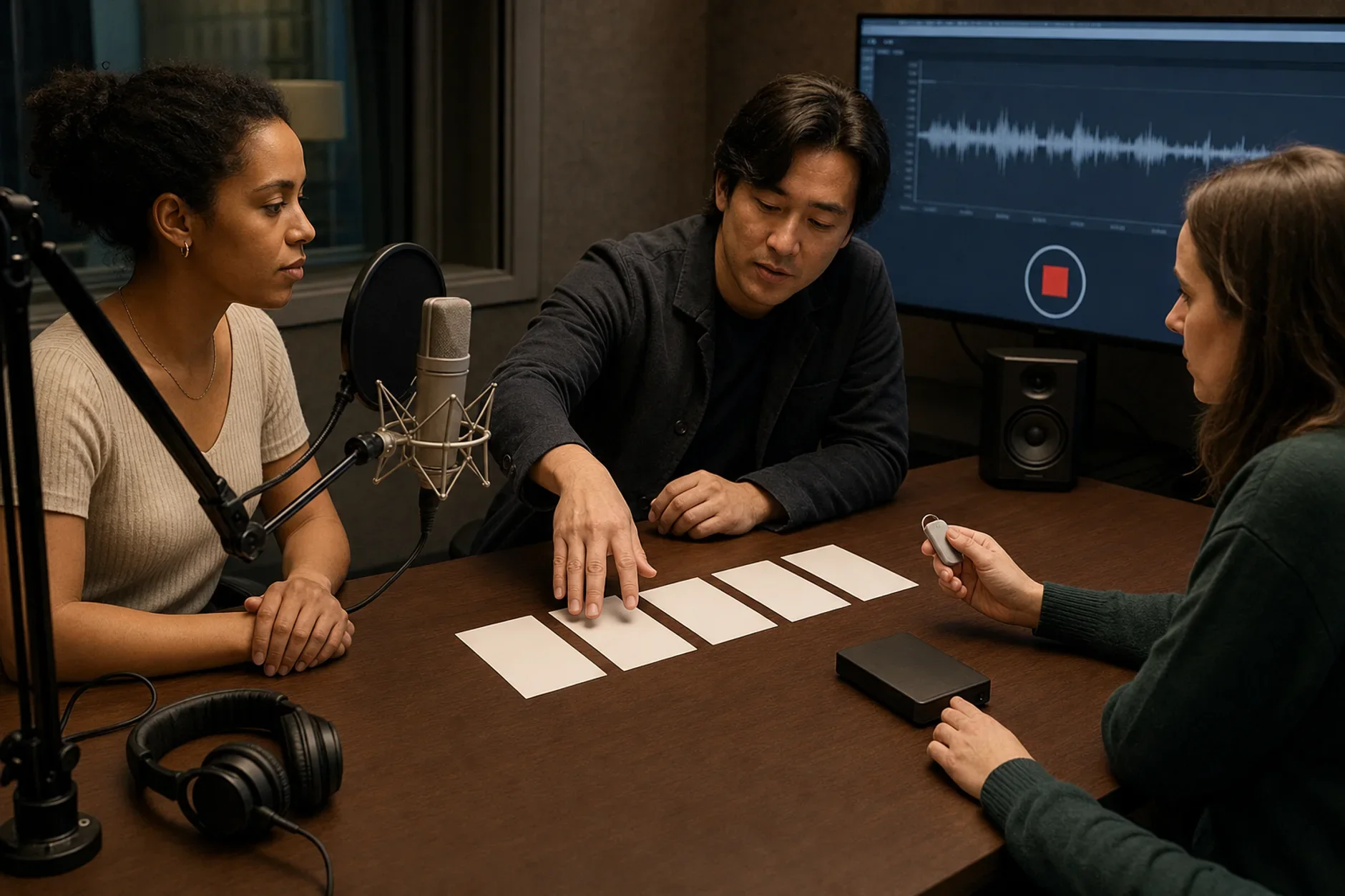
Let's talk about voice cloning ethics. This chat often gets skipped in product demos. Voice cloning can feel creepy at times. This isn't a panic piece. These tools are genuinely valuable. The industry has a habit, though. It answers "can we?" all the time. It rarely asks "should we?" It almost never asks "should we tell people?"
The tech moves fast. Rules lag behind. Voice cloning used to need hours of studio audio. The results were poor. No one believed them. Now, just a few minutes of clean audio works. Many people accept it as real. That changes things ethically. Yet most platforms don't update their ethical guidelines. They still talk about ethics the old way.
What Is Genuinely Possible Now
Modern tools can copy your tone, pitch, and rhythm from a small sample. They can also copy how you pronounce words. A clean recording of five to fifteen minutes is often enough. The output will fool most casual listeners in most cases. Longer samples allow a wider emotional range. They are also harder to catch, even when you listen closely. The tools are now this good. So the real question has changed. It is no longer "can this fool someone." It is "where will this fail, and how badly."
The Creepy Part Nobody Names Directly
Here is the part the industry avoids. Once you have a voice clone, what stops misuse? Someone could use it in ways the real person never agreed to. Most platforms ban unauthorized use in their terms. But consent and terms are not the same thing. The creepy part is not the technology itself. It is using a clone when the listener thinks they hear the real person. It is doing that with no disclosure. This is not a far-off worry. It is easy to set up. It is hard to detect.
Legitimate: using your own voice clone with disclosure, for content you would have recorded anyway.
The creepy part is rarely mentioned. Using a voice clone is okay. Make sure it sounds like you. Use it for lots of content. Tell your audience about it. This is the proper way.
Not legitimate: using a voice clone to impersonate someone where authenticity is expected and matters.
Here's the creepy part people don't talk about directly. It's a gray area. It involves using your own clone. The clone would be in one-on-one chats. There's no disclosure. This is exactly what most avatar products do. They're built for this use case.
A Framework for Using Voice Cloning Responsibly
Here is a simple working framework. The person whose voice is cloned must consent. They must also control how it is used. The use case must be one they would approve of if told. And disclosure should match the stakes of the interaction. Lower-stakes content needs no individual disclosure. That includes marketing videos, info responses, and scalable outreach. Higher-stakes interactions probably do need it. Those are one-on-one chats where trust and authenticity are central.
How This Affects the Avatar Build
Now for the practical question. How do you build a voice-cloned avatar? Make sure it is both good and ethical. Start with clear written consent for your own voice. Define the use cases in writing before you deploy. Then use a platform that gives you real control. Control where the clone runs. Control how it runs. Kyndrify is built around structured control and repeatability. You set the rules, and the system stays inside them. That control layer matters a lot. It separates responsible cloning from the kind that ends up in the news. The technology is neutral. How you limit it is not.
Voice cloning is powerful. It is genuinely useful. It is also ethically tricky. Just because something is possible does not make it right. Both questions need to be asked at the same time. Most of the industry still asks only one.
Sources
Future of Privacy Forum - reporting on voice synthesis ethics and consent standards. fpf.org
IEEE Spectrum - coverage of voice synthesis technology developments. spectrum.ieee.org
TTGC / Kyndrify - patterns from building AI avatar tooling.
Ready to work with Through The Glass Creatives?
Book a free Brand and Growth Assessment and see exactly how Mherie, Ravve, and the TTGC team would approach it.
Want more info? Check these out: Is It Possible to Clone Your Voice for an AI Avatar? AI Avatar Ethics and Transparency: Where to Draw the Line