How Do AI Avatars Handle Emotional Conversations?
Customers don't stop being emotional because they're talking to an AI, and the way an avatar responds in a charged moment can define your brand more than any campaign.


AI avatars now handle real customer chats. One question comes up again and again. What happens when a customer is upset? It is a fair question. This guide is about ai avatar emotional conversations and how they really go. Most teams do not have a clear answer yet. So let's build one.
Emotional moments are not rare. They happen all the time. And they are often the most important moments in a customer relationship. They are also the ones people screenshot and share. When a human agent slips, it is a training issue. When a branded AI avatar slips, it can become a PR story. The stakes are higher. So the design choices must be different too.
What AI avatars are actually good at
Here is what surprises most people. AI avatars have real strengths in tense chats. They do not get defensive. They do not escalate. They never have a bad day. An angry or scared customer still gets a calm, steady reply. There is no spiral where frustration feeds more frustration. For many customers, that steady tone is exactly what they need.
No defensiveness. The avatar stays calm no matter the tone.
No fatigue. The hundredth upset customer gets the same care as the first.
No bias in tone. The avatar does not mirror the customer's anger.
Where AI avatars fall short: the empathy gap
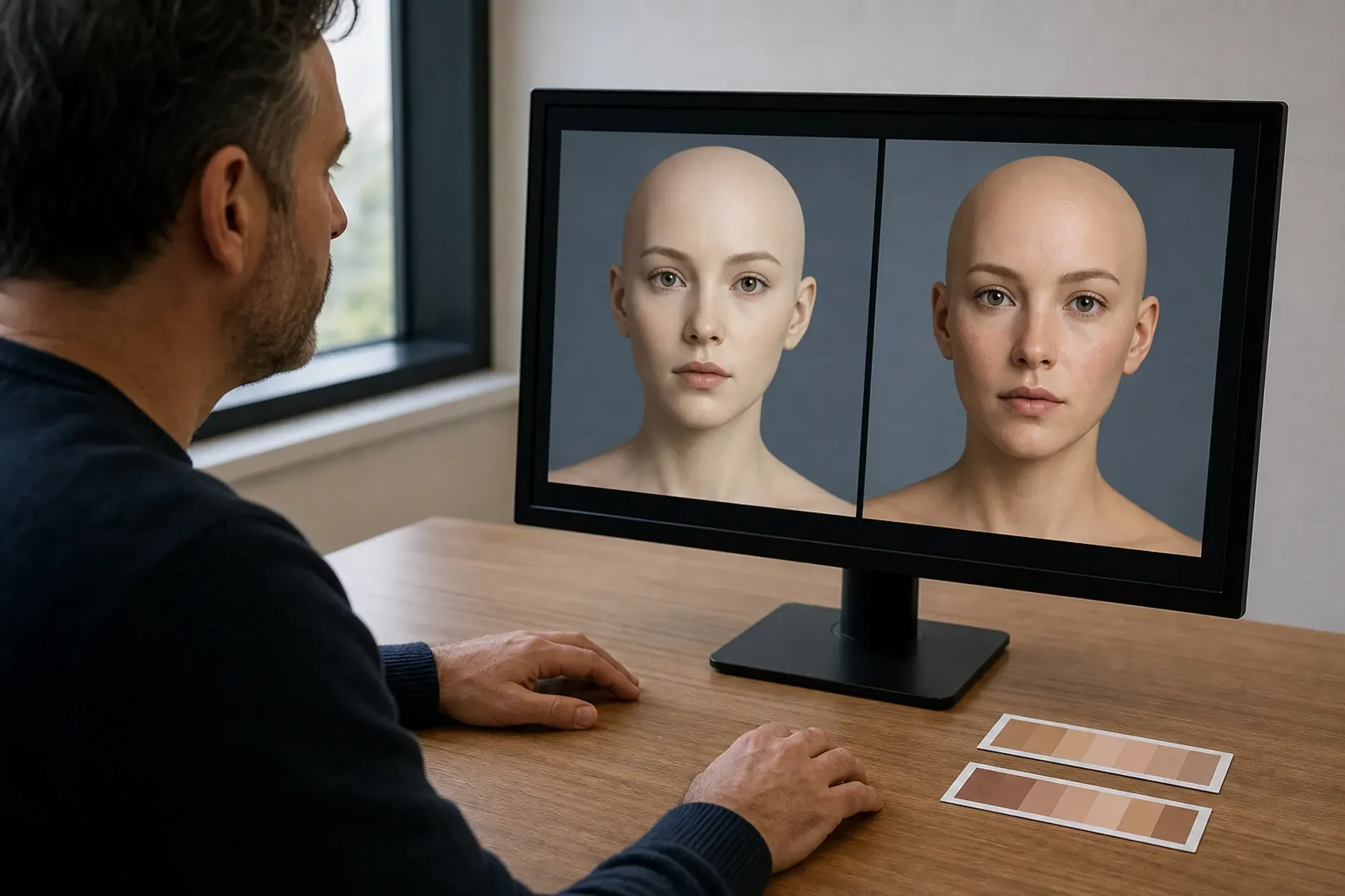
Here is the real weakness. AI avatars copy empathy. They do not feel it. For many customers, that is fine. They want the problem fixed, not a hug. But some moments are different. Think of loss, health scares, money stress, or feeling wronged. In those moments, fake empathy feels obvious. And it can push the customer away.
Some brands make a clear mistake. They tell the avatar to pour on the empathy. You get a lot of "I understand how frustrating this must be." But the problem still is not solved any faster. Customers often hate that. A direct, fast reply feels better. Empathy words ring hollow with no real fix behind them. So tone really matters here.
The design choices that decide the outcome
What separates a good avatar from a harmful one? It is almost all in the setup. The model behind it matters far less. The best brands make three clear choices. First, which emotional signals the avatar should catch and answer. Second, what its tone should be in those moments. Aim for warm and efficient, not fake-caring. Third, when it should hand off to a human, before the customer even asks.
Set emotional triggers. Certain words or moods should shift how the avatar replies.
Tune the tone for emotional moments. It should not match the everyday tone.
Plan proactive handoffs. The avatar offers a human before the customer demands one.
Never loop. An avatar that keeps asking for more when a human is clearly needed has failed.
How Kyndrify helps you get the setup right
Good emotional design takes practice. You will not get the tone and handoff right on the first try. Writing one big prompt by hand makes this hard. Each tweak becomes a whole new setup. You change one thing, and something else shifts. Soon you cannot tell what caused what. Kyndrify fixes that. It gives your setup a stable, repeatable structure. When you adjust the emotional tone, everything else stays put. That turns each test into real progress, not chaos.
The honest take
AI avatars can handle emotional chats well. In some ways, better than a tired human agent. But it takes real design work for those moments. Default settings are not built for emotion. The brands that win treat emotional design as its own project, not a quick add-on. Have you thought through what happens when a customer is upset? If not, your avatar has not either.
Sources
Forrester Research. Studies on customer experience and emotional moments in service. forrester.com
TTGC / Kyndrify. Observed patterns in how AI avatars are set up and tested for emotional moments.
Ready to work with Through The Glass Creatives?
Book a free Brand and Growth Assessment. See exactly how the TTGC team would approach it.
Related reading: How AI Avatars Improve Response Times · Can You Use an AI Avatar for Customer Service?