What Data Does an AI Avatar Need to Be Effective?
Most setup guides tell you to "upload your content", but which content, in what form, and how much actually moves the needle.

The ai avatar data requirements decide one thing. Is your avatar truly useful? Or does it just barely work? Data curation makes that call. People pay a lot for AI avatar platforms. They still get weak results. The reason is the data. They feed the system the wrong data. Or they feed it too little. Or the data does not match how they really speak and write. The platform matters. But the data makes or breaks the output.
So here are the specifics. An AI avatar pulls from three data streams. Each one feeds a different layer. Learn what each layer needs. Learn what good data looks like for each. That will save you a lot of pain at setup.
Voice Data: Quality Over Quantity
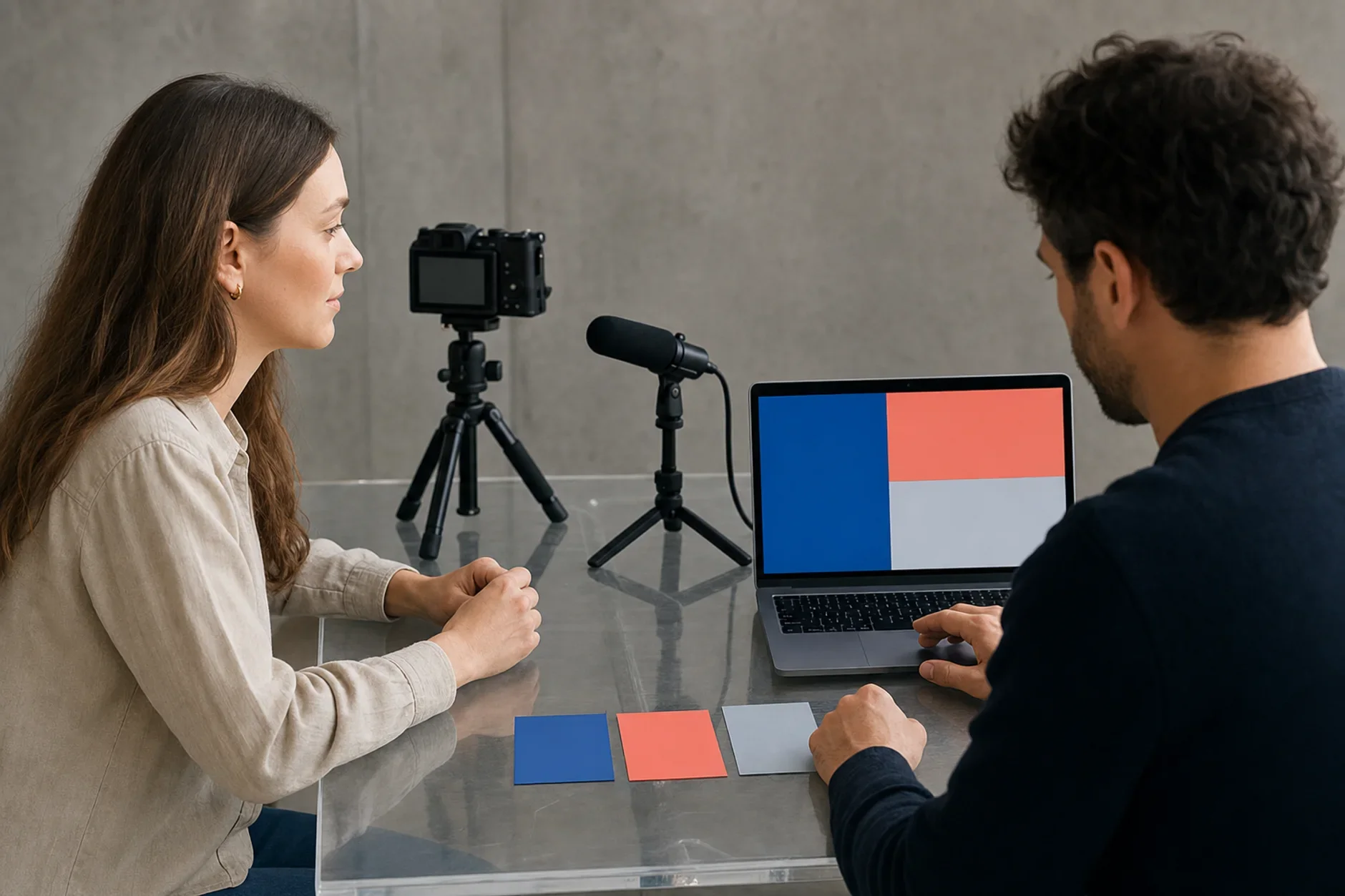
The voice layer needs clean, varied audio. Clean means low background noise. It means no compression artifacts. It also means the mic stays in one spot. Varied means more than a formal script. Do not just use your presentation voice. Capture your everyday voice too. Capture your thinking-out-loud voice. Capture how you sound when you explain something hard. Each one has its own rhythm and pitch. Train a voice clone on formal speech alone. It will sound robotic the moment it needs nuance.
Minimum effective: 5 minutes of clean, varied speech. Use 2+ registers.
High-quality: 20-30+ minutes. Add technical words. Add feeling. Add the filler words you tend to use.
What to avoid: auto-transcribed audio with heavy compression. Also avoid clips where you read in silence and then speak. The pause patterns throw off the model.
Visual Data: Controlled Conditions, Multiple Angles
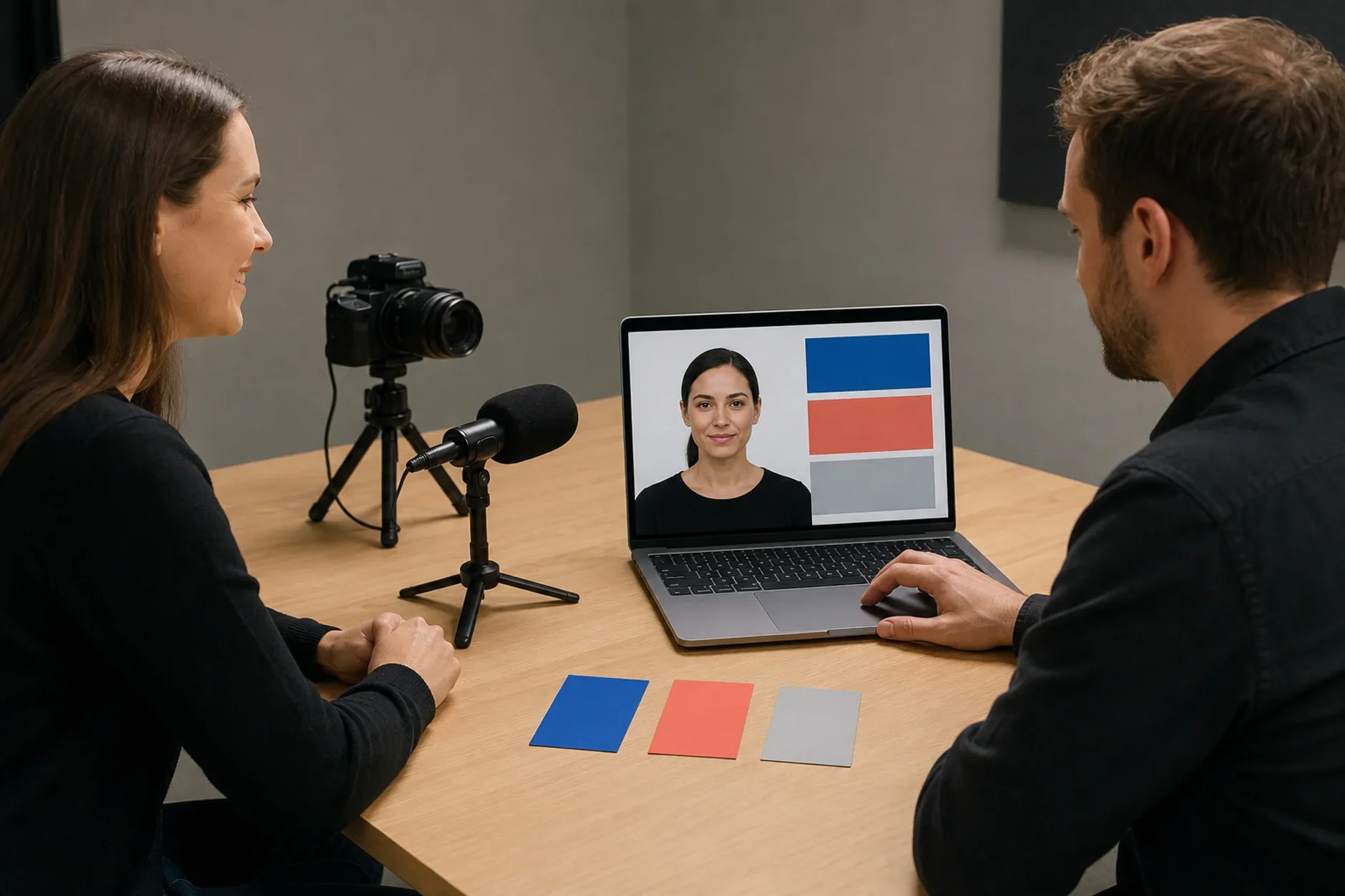
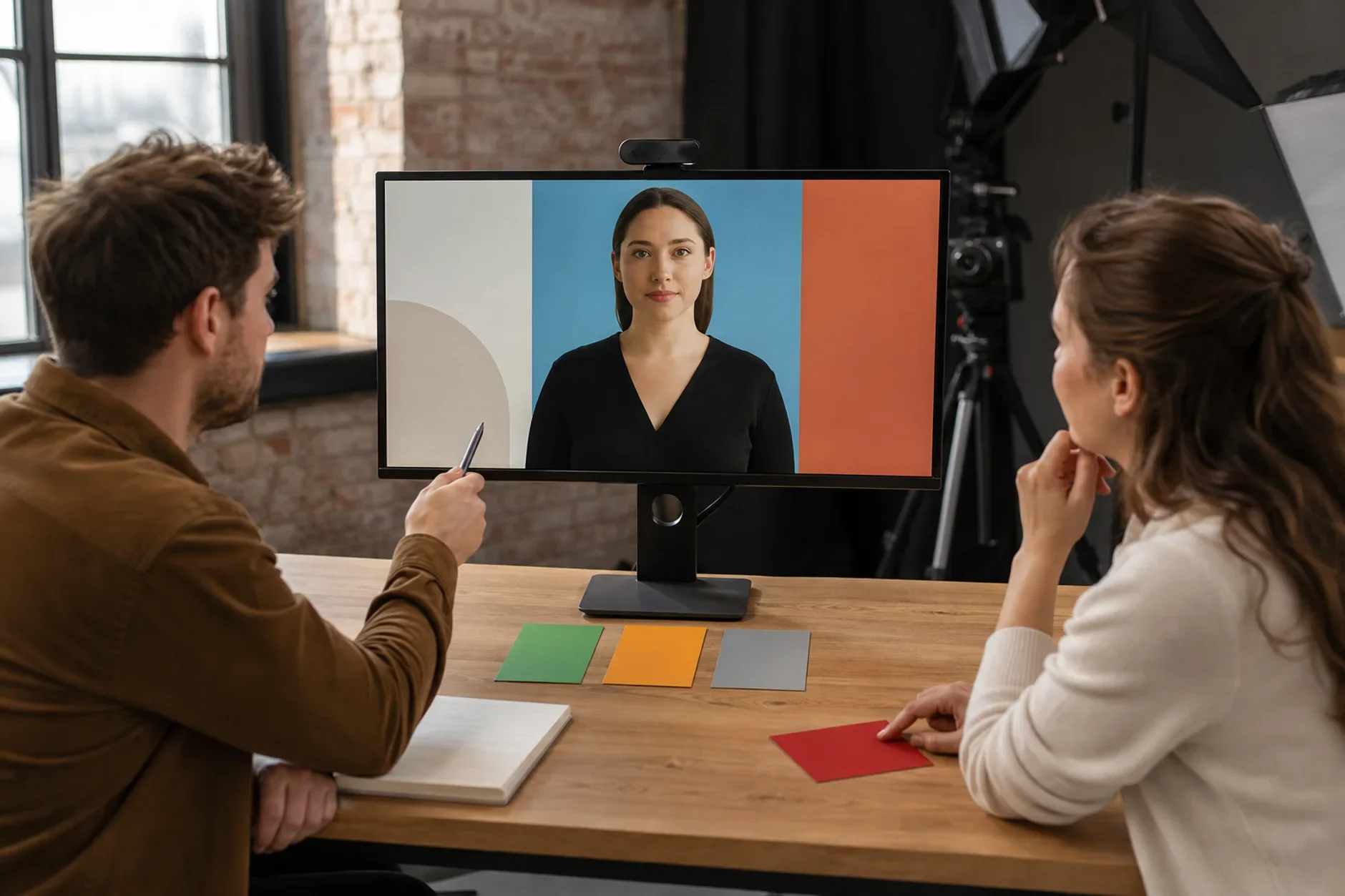
The visual layer needs video or sharp, high-resolution images. Shoot them in set conditions. Use steady light. Use a plain background. Then look right at the camera. That sets a baseline. It gives the model a clean source. Angles matter too. So do your expressions. Give it only flat, straight-on footage. The avatar will look off in any lively output. So move your head as you would in real life. Show a range of looks on your face. If you can, add a short tracking clip. It helps the model learn your face shape as you turn.
Language Data: The Most Important and Most Neglected
The language layer decides if the avatar thinks like you. It is also the layer people feed the least. Surface writing means social posts and short tweets. It teaches the model your surface style. It does not teach how you think. Deep content does. That means long articles and email threads. It means interview transcripts and detailed proposals. This content shows how you build a case. It shows the stands you take again and again. It shows how you handle push-back. And it shows the words you use in each setting.
High-value sources: long-form articles. Detailed email exchanges count too. So do podcast or interview transcripts. Proposal documents work well.
Medium-value sources: social posts with context. Use threads, not one-liners. Scripts from your talks work too.
Low-value sources: one-line social posts. Likes and reactions. Content you shared but did not write.
Setup Without the Model-Chasing
Once you have your data, a new problem shows up. Each model wants a different format. They want different upload methods. They want different prompting structures. Models change all the time. Keeping all of that steady is truly tedious. Kyndrify is built to solve just this. You bring your data. The platform feeds that data to the right models. It does so behind its button-based framework. You never have to rebuild your data pipeline. A new model can replace the last one. Your inputs stay the same. The platform handles the translation layer.
Setup is where most people cut corners. Then they blame the platform. Put the work into the data instead. The language data matters most. Do that, and the results will show it.
Sources
O'Reilly Media: hands-on advice on how to prep data for machine learning. oreilly.com
TTGC and Kyndrify: patterns from our work on AI avatar tooling.
Ready to work with Through The Glass Creatives?
Book a free Brand and Growth Assessment and see exactly how Mherie, Ravve, and the TTGC team would approach it.
Related reading: How Accurate Can a Digital Twin Avatar Really Be? · What Is an AI Avatar Digital Twin and How Does It Work?