What Is an AI Avatar Digital Twin and How Does It Work?
Everyone's throwing the term around, but most explanations skip the part that actually matters: what's happening under the hood.

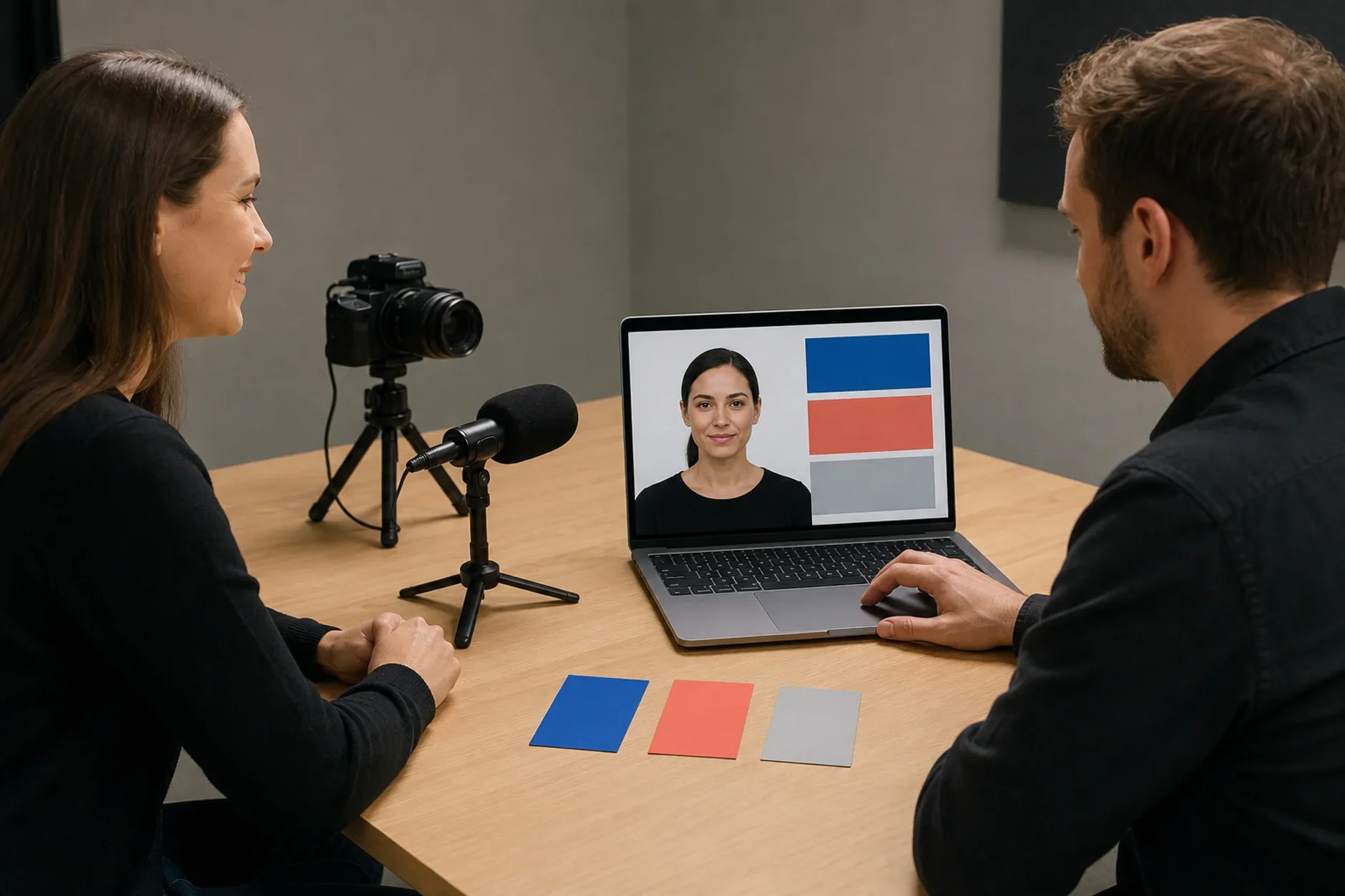
People ask what an ai avatar digital twin really is all the time. Often they ask right after someone told them they need one. The phrase gets used for many things. It can mean a chatbot that knows your name. It can also mean a full synthetic copy of your voice, your face, and the way you make choices. That wide range is the problem. If you do not know what the thing is at a technical level, you cannot tell if a tool delivers it.
So here it is, plainly. An AI avatar digital twin is a layered system. It is not a single piece of technology. It puts three parts together. A language model handles reasoning and text. A voice synthesis layer builds how you sound. A visual rendering layer is optional, and it builds how you look and move. On top of those three sits a "knowledge base." That is the content, the preferences, and the habits that make the output sound like you, not like a generic AI. Each layer has its own ceiling for quality. Each has its own ways to fail.
The Language Layer: Where "Thinking" Happens
The language model is the thinking core. It decides what to say. It decides how to reason through a question. It decides what stand to take. A good language model for a digital twin is fine-tuned, or it is heavily prompted. It draws on your writing samples, your past decisions, your known views, and the way you talk. Without this layer, you just have a generic AI that could belong to anyone.
Fine-tuning: the model is retrained on your data. It costs a lot, but it gives you high fidelity.
Prompt engineering: the model gets a full system prompt on each call. That shapes how it acts in real time.
Retrieval-augmented generation (RAG): at query time, the model pulls from a vector database of your content. That grounds its answers in what you really said.
The Voice and Visual Layers: Where Presence Happens
The voice layer turns the language model's text into speech that sounds like you. Voice cloning can now work with just a few minutes of clean audio. Quality gets much better with more samples. Feed it a range of moods and speaking styles. The visual layer, if you use one, works in one of two ways. A talking-head video model can move a still image of you. A full generative video model builds new footage from scratch. Visual fidelity is the hardest part. The human brain knows mouths, eyes, and micro-expressions in depth. Uncanny valley glitches are easy to spot.
Why Most People Get the Stack Wrong
Most people assume that "AI avatar" means a video that looks like you. That is the visual layer only. It is one-third of the system. Plenty of tools sell just that. They leave out the language layer. So the avatar says whatever a generic model puts out. Here is another common case. People buy a chatbot that has read their blog posts and call it a "digital twin." But there is no voice and no visual. The language model just echoes patterns on the surface. It does not truly reason in their style. A real digital twin is all three layers at work. Each one is trained on enough data to close the gap between the output and the real person.
Where Kyndrify Fits Into This
There is another problem with building this stack yourself. The models keep changing. What worked three months ago may already be beaten by one that is newer, cheaper, and better. Chasing each release is hard. Keeping your prompts stable at the same time is a full-time job. Kyndrify was built for this exact problem. It puts the right models behind one set of buttons. So you do not stitch layers together by hand. You do not rewrite prompts each time a new model drops. You set your avatar up once. The platform picks the model and keeps things steady from there.
Understanding the stack matters. It tells you what to ask any vendor. Which layers do you actually deliver? What data do you need from me? What does the output look like when one layer fails? If a vendor cannot answer those questions, they are selling you a piece of the system and calling it the whole thing.
Sources
MIT Technology Review. It covers voice synthesis. It also covers generative video models. See technologyreview.com
TTGC / Kyndrify. Patterns we see when we build AI avatar tools.
Ready to work with Through The Glass Creatives?
Book a free Brand and Growth Assessment and see exactly how the Through The Glass Creatives team would approach it.
Related reading: What Skills Should Your AI Avatar Actually Have? · What Data Does an AI Avatar Need to Be Effective?