Web Design for Gyms and Fitness Studios
A fitness website must convert a visitor who is already motivated but has seven other options open in browser tabs. Here is how the design system makes yours the obvious choice.

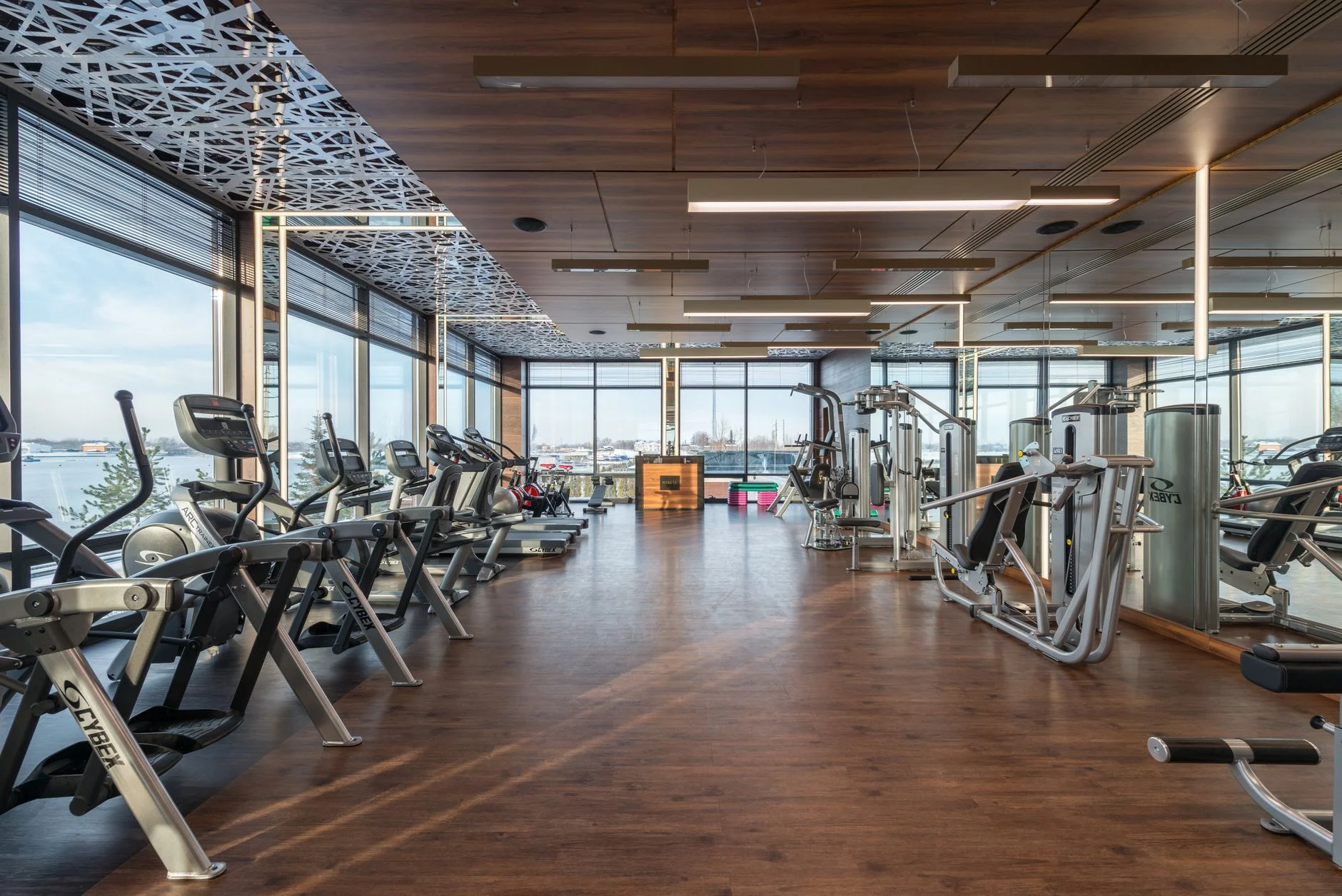
Someone who searches "gym near me" or "yoga studio near me" is not at the start of a long search. They have already decided to act on their fitness. They just have not decided where to go. This is the job of gym web design. Your gym website exists to answer that question fast. It needs to win them before they click the next result. The conversion window is short. It is also competitive. And in the first five seconds, it is almost all visual.
Gym web design is a different challenge from most service websites. The product is experiential. A visitor can only know the real value once they step inside your facility. The website cannot give them that experience. But it can build the anticipation of it. Photos of real members in real training sessions help. So does video of actual classes in progress. Energy in the layout and the typography helps too. Together, these things let a visitor picture themselves in the space. That imagined experience is what turns browsers into trial visits.
The Glass Creatives builds websites for small gyms. Each site starts with one key idea. Visitors arrive ready to work out. Your design should not get in their way. It must give them an easy path to the first visit.
The First-Visit Conversion Page: What a Gym Homepage Must Do
Fitness studio homepages have their own rules. A law firm or medical practice builds trust with credentials and careful words. A gym homepage is not like that. It must show energy and identity upfront. The hero section has a job to do. It needs to answer three questions. What kind of gym is this? Who works out here? What will I feel when walking in? Photography answers these questions first. This happens before anyone reads the body copy.
Below the hero, the path splits. Some people want to try before they commit. Others are ready to join. A free trial offer is a strong asset for a fitness website. It might be a single-class pass. Or it could be a week-long membership. Or even a free session with a coach. On mobile, place it above the fold. Ask for very little: name, email, and phone only. Keep it low stakes. "Come try it once" works better than "Join Today." It removes money worries at the moment of doubt.
Schedule and Booking Integration
Put class schedules right on the website. Show real-time availability. Let people book classes in one click. This is the best feature a fitness studio site can have. People who see a class they like and book it then are more likely to sign up. Compare that to sending them to a separate booking platform. Opening a new tab adds trouble. Making an account on an unfamiliar site does too. Re-entering details the studio already has also adds trouble. That trouble alone makes many people leave. TTGC works with Mindbody, Pike13, Glofox, and custom booking systems. This keeps everything inside the main website.
Membership Pricing Pages That Convert
Gym websites get lots of visits to pricing pages. Many are poorly designed. A common mistake is simple. They list price tiers but don't show value. "$99/month - Unlimited Classes" is not as good. "$99/month - That's $3.30 per class if you come four times a week. Most of our members come more." works better. This change shifts the reference point. "This feels expensive" becomes "this feels efficient."
Pricing page design should use the same visual hierarchy as boutique hotel web design. The goal is to show value at each tier. Put a most-popular badge on the plan most members choose. Add a clear feature comparison between tiers. Place a booking or consultation button on each plan. Do not rely on one generic button at the bottom of the page.
SEO and Local Discoverability for Gyms
Gym and fitness studio search is intensely local. Someone searching "weight training gym near me" does not want a gym anywhere in the city. They want one they can reach before work or after drop-off. Local SEO for fitness needs a few things. Studios with multiple locations need neighborhood-specific landing pages. Your Google Business Profile needs active class photos and regular posts. And structured data markup helps your class schedules show up right in search results.
Review management is key for gyms. Most new member referrals come through Google Maps and word of mouth. Bad reviews can hurt your gym. Complaints about canceled classes or broken equipment can be a problem. Even if the rest of your web presence is strong. Your website should ask members to leave reviews. A short prompt after class works well. It makes leaving a review easy for happy members. Just two taps are needed.
How TTGC Approaches Fitness Studio Web Design
TTGC builds fitness studio websites to get more people to try them. They start by finding one key moment. This is when someone is most likely to book their first visit. Then they design everything around that goal. The booking process, free trial offer, schedule, and photos all aim for it. They make sure the website works well. It has a good booking system and mobile experience. This focus on mobiles matters. Over half of gym site visits come from phones. Many happen in places like parking lots or coffee shops. These are often last-minute decisions.
Picture the best gym website in the world. On it, a motivated prospect can book a first class in under forty-five seconds. On a phone. Without making an account. Everything else is just supporting infrastructure.
Build a Fitness Studio Website That Fills Your Schedule
Book a free Brand and Growth Assessment and see exactly how Through The Glass Creatives would approach it.
Sources
- IHRSA (International Health, Racquet and Sportsclub Association) - "Health Club Consumer Report" (2024). Member acquisition channel data for fitness operators.
- Mindbody - "Wellness Index Report" (2024). Online booking behavior and conversion data for boutique fitness studios.
- BrightLocal - "Local Consumer Review Survey" (2024). Review influence on local service selection decisions.