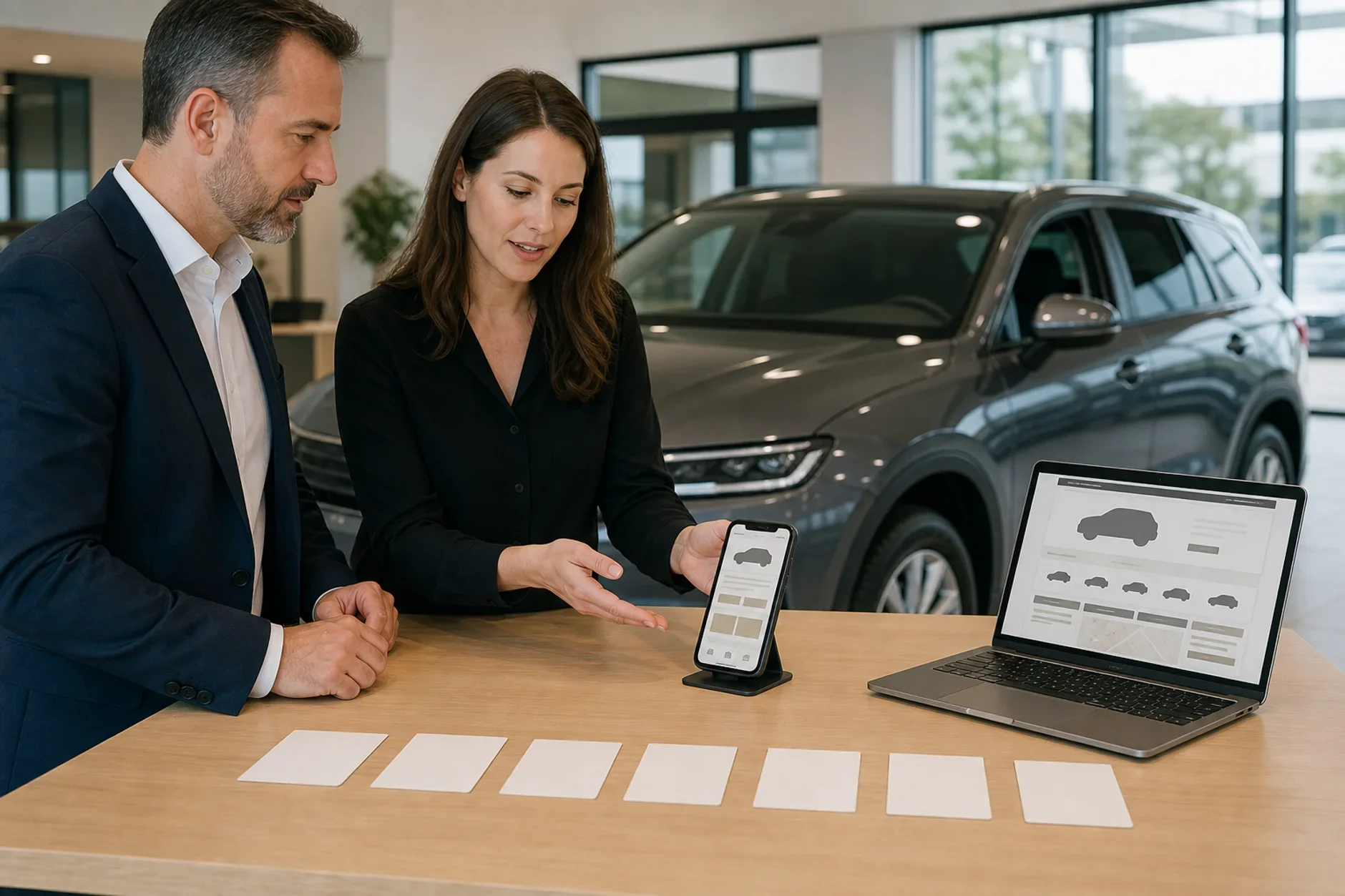
Web Design for Restaurants: From Browser to Booking
Restaurant customers decide where to eat before they leave the house, and increasingly before they leave their phones. Your website is either the last thing that confirms the decision or the reason they chose someone else.

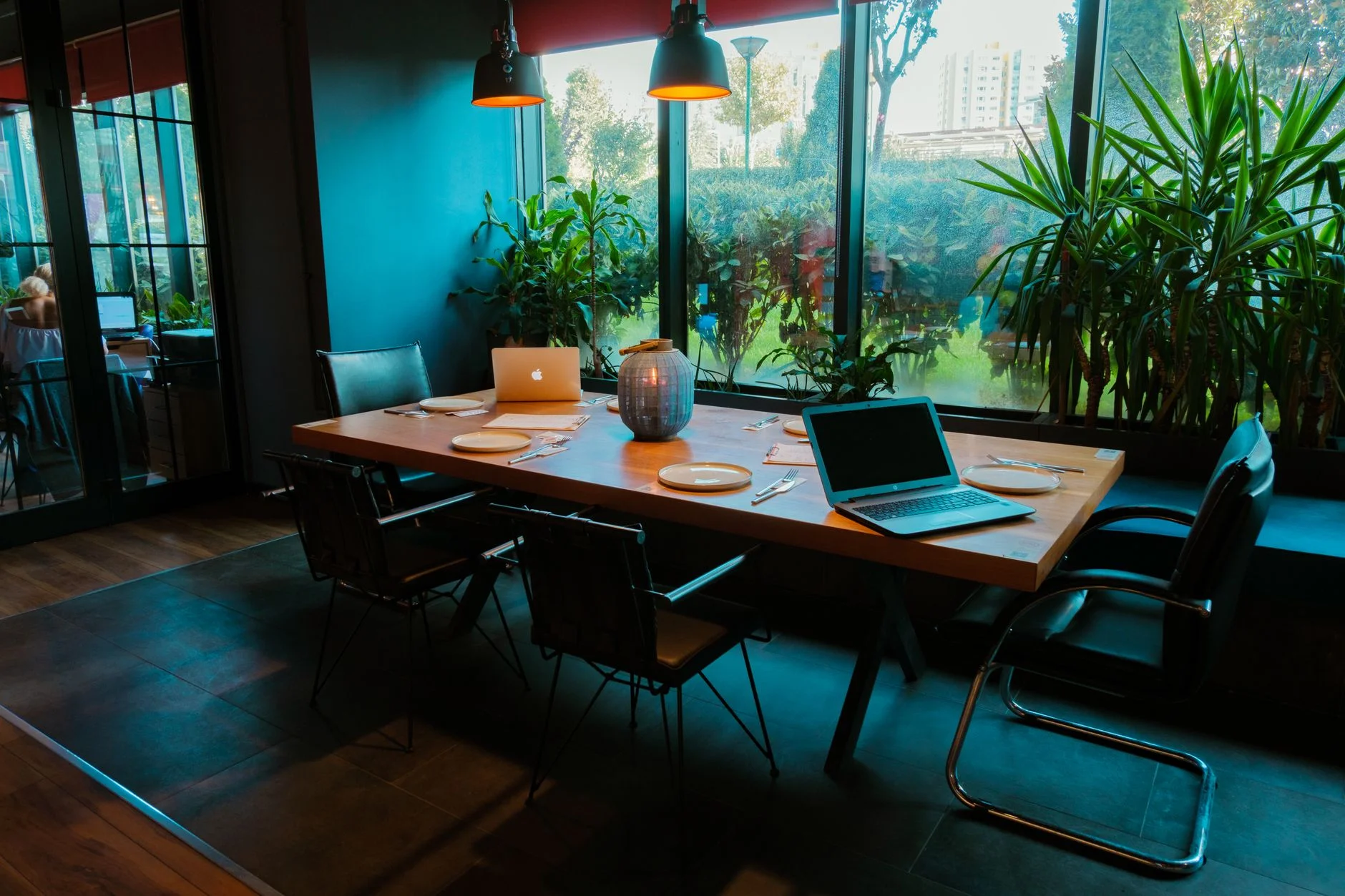
People decide faster on restaurant websites than on almost any other kind of site. Good restaurant web design plans for that speed. Research from OpenTable and Yelp shows a clear pattern. A diner searching for a place usually decides within two to three minutes of starting. Often they are standing in a parking lot. Or sitting in an Uber. Or standing at the fridge at 6:30 PM. In that short window, your site competes hard. It competes with Google Maps results. It competes with review sites. It competes with five other restaurant tabs opened next to yours.
Restaurant web design has a very different goal from most service sites. You are not after a long consultation or a form. You want one of three actions. A reservation click. A phone call. Or an online order. And you want it within sixty seconds of landing. Judge every design choice against that goal. A lovely photo gallery that takes five seconds to load is not an asset. It is a conversion liability.
Through The Glass Creatives treats restaurant web design as a speed-to-intent problem. The visitor showed up with a clear reason. The design system must meet that reason fast. Do it before they lose confidence and tap to the next result.
The Homepage as a Decision-Support Tool
A restaurant homepage must say four things fast. What food is served. What the mood feels like. How much it costs about. How to book or order. These are not ads. They are questions every visitor asks. Say you want to bring a date to your Italian spot. You need to know if it's fancy or casual. A group celebrating needs to know if you seat big parties. Some sites hide this info. Those sites lose visitors to faster ones.
The hero section of the homepage should include a few key things. Start with the restaurant name. Add a one-line cuisine and concept statement, like "Modern Filipino cuisine in downtown your city." Then add at least two of these three: a reservation button, an hours-and-location pull, and an online ordering link. Finish with a photo that shows the real atmosphere. The photo is not decoration. It is the single most important conversion element on the page. It answers the screening question "Is this the right place for tonight?" faster than any words can.
Critical Pages for Restaurant Conversion
**Menu page:** Easy to use on phones. It loads quickly. Prices are clear. No PDFs to download.
**Reservations page:** It has a link. The link goes straight to OpenTable. Or it links to Resy. Or it connects to the restaurant’s own system. It does not go to a third-party home page.
**Hours and location page:** This has a Google Maps embed. It shows clear hours. It gives parking details.
Private dining page: Private events make money. This page needs to be separate. It must convert visitors into customers. Add a contact form. Or use an inquiry form.
**Gallery:** Real photos show real service. They show lighting, plating, and atmosphere. A pro takes the shots. Not a phone.
Menu Design: The Most Visited and Least Designed Page on Most Restaurant Sites
The menu is the most visited page on most restaurant sites. It gets the least design care. Most online menus take one of three weak forms. Some are a photo of a printed menu. That is hard to read on mobile. It is also hard to update without the design file. Some are a PDF. That needs a separate download. It looks poor on phones. Some are a plain HTML list. They have no visual hierarchy. None match the feel of a well-made printed menu. None help a visitor picture what dinner will be like.
Strong menu pages use clear rules. They have a clear section structure. They help readers picture dishes. They don't just list ingredients. They show accurate prices. They flag signature items and chef's picks. This is like boutique hotel web design. You share the experience. You don't just list the catalog. A good digital menu lifts average order values online. It also lifts check sizes on reservation visits. It does this by building appetite before arrival.
Local SEO and Google Business Profile for Restaurants
A restaurant with a weak Google Business Profile hides from hungry diners. Think about "restaurant near me" searches. They pop up often. These searches show results on Google Maps, not websites. Even a great website won't get many bookings if the profile is bad. This happens when: - The profile is incomplete. - Hours are outdated. - It lacks category tags and photos. These things help Google show your place in the right searches.
TTGC's restaurant web design work includes Google Business Profile setup. This is part of their standard service. A website without local search presence has no map. The website and profile work together. They form one conversion system. The profile shows the restaurant in searches. The website turns those clicks into reservations.
How TTGC Designs for Restaurant Conversion
Good restaurant web design starts with a question. Most designers skip this question. Where is this visitor right now? How much time do they have? The answer shapes every choice. A visitor on a phone at 7 PM needs information fast. They need it in a different order. They need it with a different visual density. A visitor on a desktop planning next Saturday's anniversary dinner is different. TTGC builds restaurant sites with dedicated mobile UX. This UX puts the time-pressured evening searcher first. That searcher is the highest-value visitor. At the same time, it keeps the fuller visual experience for calm planners on desktop.
The restaurant that wins the local search moment is not always the one with the best food. It is the one whose website gives a hungry person the right answer in the time they were willing to wait.
Build a Restaurant Website That Converts Searchers into Guests
Book a free Brand and Growth Assessment and see exactly how Through The Glass Creatives would approach it.
Sources
- OpenTable - "Restaurant Industry Insights Report" (2024). Online reservation behavior and conversion data for full-service dining.
- Toast - "Restaurant Technology Report" (2024). Online ordering adoption rates and revenue impact for independent restaurants.
- Google - "Search Behavior in the Dining Category" (2023). Local search query patterns for restaurant discovery.
- BrightLocal - "Local Business Search Behavior" (2024). How mobile searchers evaluate and select local restaurants.