Web Design for Manufacturers and Industrial B2B
Industrial buyers now do 70 percent of their vendor research online before the first sales call. The manufacturer whose website answers those research questions first wins the RFQ, and the long-term contract that follows.

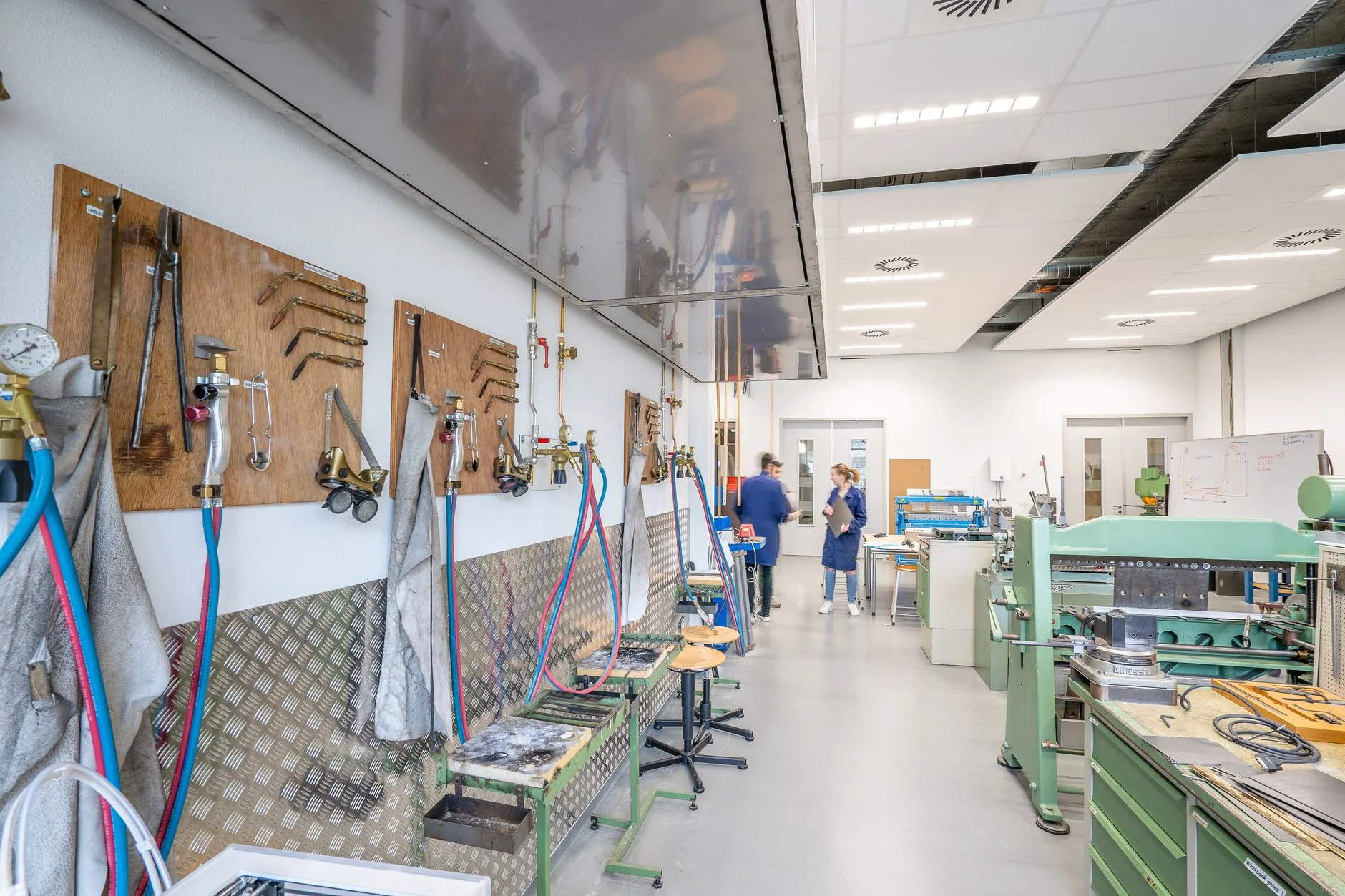
The industrial buyer has changed. Buyers used to meet sales reps at trade shows. Now they do most of their research online. Good web design matters more than ever. Buyers look up skills first. They check certs too. Lead times and material specs come next. They contact sales teams later. A firm not found loses contracts. A weak-looking site loses them too. These deals go to rivals. The winners have a better online presence. They don't need the best factory.
Industrial buyers differ from consumer or professional service clients. They know the technical side well. They are careful about risk. They compare several vendors at once. They use a formal scorecard for this. Pretty design alone does not move them. They want technical detail. They want quality certifications. They want proof of scale. They need to trust that a vendor can deliver to spec, on time, every time. The website must show all of this clearly. A buying team should be able to screenshot it. They should be able to share it. They should be able to build a shortlist from it.
The Glass Creatives handles industrial web design. They treat it like a problem of specs and trust. Their design system shows their technical skill. It also shows their quality control. They do this with great care. This is the same care seen on the factory floor.
Capability and Specification Architecture
Most sites make the same mistake. They hide key details in marketing words. A buyer wants facts, not fluff. What materials do you machine? What tolerances do you hold? What is your largest part size? What inspection tools do you use? How fast can you make prototypes? How long are production runs?
These specs go on a Capabilities page. Build it like a tech reference. Not a brochure. Give each process or service its own section. List clear specs. Note the equipment you use. Include machine brand and model where helpful. Buyers often search by equipment type. Add material compatibility tables too. This works as a screening tool. Buyers can check you before they get in touch. So, the inquiries you get are more qualified.
Quality and Certification Signals Industrial Buyers Require
Industrial buyers need quality and certification signals. We show ISO 9001, AS9100, IATF 16949, and more. Each has a certificate number. Each has a valid date.
Quality inspection equipment list: CMM, optical comparators, hardness testers - buyers check your incoming inspection capability
Customer-specific approvals or PPAP status with named OEM customers where non-disclosure allows
On-time delivery and quality metrics: even a simple "98.2% on-time delivery over the last 24 months" is a strong differentiator
ITAR registration and export control compliance status for aerospace and defense customers
RFQ Flow: Converting Technical Visitors into Leads
The Request for Quote form is the main conversion point on a manufacturing website. It needs more thought than a basic contact form. A good RFQ form collects the project notes, material spec, quantity, and delivery dates. It also needs file upload and an urgency level. File upload is not optional. Buyers will not call to describe a part when they have a CAD file or drawing for it. If your form cannot take drawings or 3D files, the inquiry goes to a rival whose form can.
The RFQ confirmation page matters as much as the form. So does your follow-up speed. Buyers read your reply speed as a sign of your factory speed. A firm that takes five days to reply to an RFQ sends a quiet message. It hints at how they will handle schedule changes and quality issues. TTGC builds RFQ flows that send each submission to the right technical sales contact at once. The buyer gets a receipt within minutes. In industrial sales, the team that replies first often wins the business.
SEO for Industrial and Manufacturing Search
Industrial buyers use very specific search queries. Most marketing-focused agencies have never thought about them. Take "tight tolerance CNC turning stainless steel near me" or "custom injection molded PEEK components." These searches show clear buying intent. Almost no firms compete to rank for them. Build pages for each process, each material, and each application. Those pages will capture this high-intent traffic. A plain company-overview site never will.
Thomas Net and Globalspec are helpful. But they don't replace organic search. A maker who ranks on Google is easy to find. Buyers can reach you without directories. So can buyers abroad using general search engines. This works like staffing firm web design. That approach uses niche pages. It wins intent searches. Plain competitor sites cannot rank for these.
How TTGC Approaches Industrial B2B Web Design
TTGC puts capability first. Conversion comes second. The work starts with interviews. They talk to engineering and sales teams. They learn what a qualified buyer needs. This happens before the RFQ submission. Then they build the site. It gives all that information. The layout suits a technical buyer’s mind. The build makes key features production-grade: - RFQ system - File upload - Spec layout - Mobile speed This matters. Buyers visit vendor sites from tablets and phones. They do this on the plant floor. They also do it at trade shows.
A site built to this standard isn't just a brochure with a contact form. It works like a sales engineer that never sleeps. It pre-screens prospects. It answers technical questions. It brings in RFQs from buyers. These buyers believe the firm is capable. This happens before the sales team makes any calls.
The manufacturer that wins the research phase does not have better sales reps. It has a website that does the sales rep's job before the first meeting. The site presents credentials and answers technical questions. It makes the buyer confident enough to submit an RFQ.
Build a Manufacturing Website That Generates Qualified RFQs
Book a free Brand and Growth Assessment and see exactly how Through The Glass Creatives would approach it.
Sources
- Thomas Industrial Survey - "How Industrial Buyers Evaluate New Suppliers" (2024). Online research behavior and digital presence importance in manufacturing vendor selection.
- Accenture - "B2B Buyer Journey in Industrial Markets" (2024). Digital self-service research behavior for procurement and engineering buyer personas.
- Industry Week - "Manufacturing Digital Transformation Survey" (2024). Website investment priorities and lead generation effectiveness for contract manufacturers.
- Association for Manufacturing Excellence (AME) - "Industrial Marketing Benchmark Report" (2024). RFQ conversion rates and digital channel performance for industrial B2B companies.